
Rent is not the cost, and comparing rents alone is how people choose wrong
People looking for a shop unit tend to open two listings, compare the rents and take the cheaper, which leaves several items out of the comparison.
The real cost of opening in one location is the rent, plus the key money spread over the term, plus the fit-out, plus the rent for the months you are still fitting out with no income, plus a deposit you may not get back.
The two most often forgotten are the rent during fit-out, which may be two or three months, and the fit-out itself, because in a location where the rent is low the unit usually has nothing in it and you build everything.
The right comparison is to add every cost and divide by the number of months in the term, giving the true monthly cost, and then compare two units. The answer frequently reverses from the one you get comparing rents.
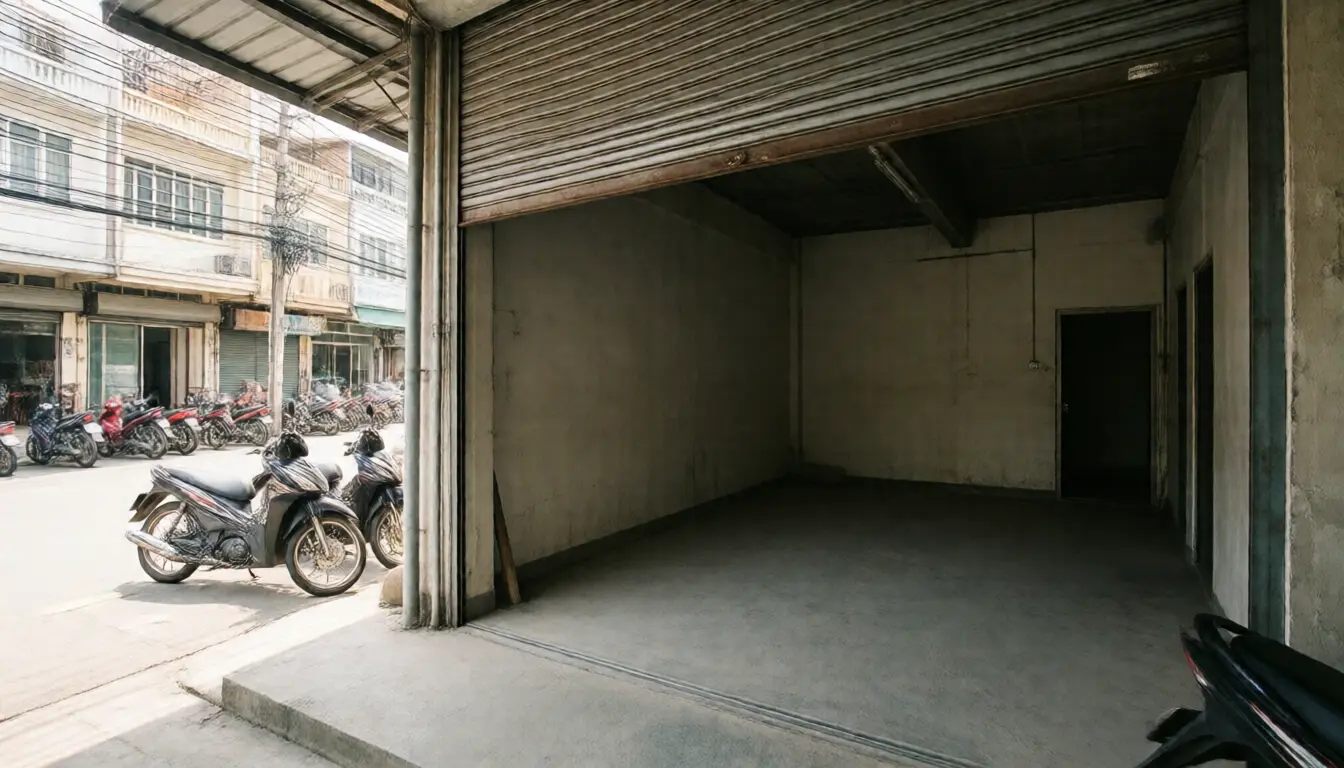
Key money: what it is and what to ask before paying
Key money is a lump sum paid for the right to occupy the space, and unlike a deposit it is generally not refunded and not set against the rent.
Since it is a large sum you do not get back, there are three questions to ask before paying.
What happens to it if the landlord does not renew? The answer has to be in the contract in writing, not given verbally, because that is the largest risk attaching to this money.
Can it be passed on to another tenant? That is the only route to recovering part of it if the business does not work. If the contract prohibits assignment outright, this money disappears the moment you close.
Is the landlord the owner or a tenant themselves? Ask to see the title deed or the head lease, because paying key money to somebody who is themselves a tenant with two years left is buying a right with a shorter life than you think.
And state in the contract how many years the key money covers, because without that it becomes money paid with no defined term.
The lease must be longer than the fit-out payback
This is the single most important principle in renting retail space and the one most often broken.
If you spend a sum on the fit-out that takes two years to recover but sign a one-year lease, then at the end of every year you are in a position where the landlord can raise the rent by any amount, because they know you cannot move.
What is already installed, a counter, the electrical work, the plumbing and the shopfront sign, either cannot be moved or loses almost all its value in the move, which is what removes your negotiating position in year two.
Ask for a term long enough, or, if the landlord will not give a long one, put a renewal right with a stated ceiling on the increase into the first contract.
The legal point to know is that a lease of immovable property for more than three years must be registered with the competent official to be enforceable beyond three years. So a ten-year lease that was never registered is enforceable for three, which people discover in year four. The detail is in registering a long lease and stamp duty.
What to check in the unit before thinking about design
- The meter size and the circuits already there, because a food business with electric cooking, chillers and air conditioning may exceed what the existing meter carries, and upgrading it is your time and your cost.
- Waste plumbing and the grease trap, a large matter for a food business, because connecting greasy waste to the shared drain with no trap is a problem that comes back to you from both the neighbours and the authorities.
- Ventilation and where the extract discharges, because smoke blown out towards a neighbour's window is the most common source of dispute in a row of shophouses. Settle it with the landlord and the neighbours before fitting out.
- The toilet, whether there is one in the unit or shared, because a business with seating needs a usable one.
- The shopfront width and where a sign may go, including whether a projecting sign is permitted, which depends on both the building owner and local ordinances.
- Parking and loading, particularly the hours when a delivery vehicle may stop, since some streets prohibit it during trading hours.
Photograph the whole condition of the unit before moving in, with the dates in the files, because deposit disputes on the way out nearly always come from having no starting record.

A commercial tenant does not have the protections a residential tenant has
This needs saying plainly because people confuse the two.
The contract-control rules protecting tenants over deposits, over how electricity and water may be charged, and over termination, are rules for the business of letting buildings for residence.
Renting space to trade from does not fall within that scope. So what you read about a landlord not being able to take an excessive deposit or charge above the authority's rate does not automatically protect you.
What that means in practice is that what protects you is the contract you sign, not the law protecting residential tenants, which makes reading it before signing more important here than when renting a home.
State clearly how electricity and water are charged, who repairs what, how many days after moving out the deposit is returned and what may be deducted, because those three are the source of nearly every dispute. How commercial premises are billed for electricity is in warehouse and factory electricity bills.
Count the people yourself before believing anyone's numbers
What keeps a shop alive is people walking past, not the phrase good location, and people walking past is something you can count for free.
Stand outside the unit and count everyone who passes in an hour. Do it four times: a weekday morning, a weekday evening, a Saturday afternoon and a Sunday evening.
Those numbers tell you more than every description an agent will give you, and who those people are matters more than how many, because a street busy with people rushing to work in the morning does not suit a business that needs them to sit down.
Also look at what the neighbouring units do and how often they change tenant, because a unit that becomes a different shop every six months is a clearer signal than any description.
And check that the building sits in a zone permitting your kind of business, particularly if it involves noise or smells, which is covered in reading city plan zoning colours.
Frequently asked questions
Is key money refundable?
Generally not, and it is not set against the rent. The only route to recovering part of it is passing it to the next tenant, which requires a clause permitting that from the start.
How long a lease should I sign?
At least longer than the fit-out takes to pay back, because anything shorter puts you in a position with no negotiating power the following year, since what you installed cannot move.
Is an unregistered ten-year lease valid?
Enforceable for three years only, because a lease of immovable property beyond three years must be registered with the competent official to be enforceable beyond that.
Do tenant protection rules cover shops?
The contract-control rules concern the business of letting buildings for residence. Renting to trade from is outside that scope, so what protects you is the contract you sign.
How do I know the location is actually good?
Stand and count people passing for an hour, four times: weekday morning and evening, weekend afternoon and evening. And see how often the neighbouring units change tenant.
What permissions does a food business need first?
You must comply with the local public health requirements for premises selling food, and the conditions differ by area and size. Ask the district or municipal office before signing, not after the fit-out is finished.
In short
- Compare total cost divided by months in the term, not rent alone.
- Key money is generally not refunded. Ask what happens on non-renewal and whether it can be passed on.
- The lease must outlast the fit-out payback, or you have no negotiating position next year.
- A lease beyond three years must be registered to be enforceable beyond three years.
- Commercial tenants fall outside the rules protecting residential tenants.
- Count the footfall yourself four times before believing anyone's description of the location.