
Who pays for repairs in a rented home, in one line
The lessor is liable for defects arising during the lease and must carry out all necessary repairs. The lessee is responsible only for ordinary upkeep and minor repairs.
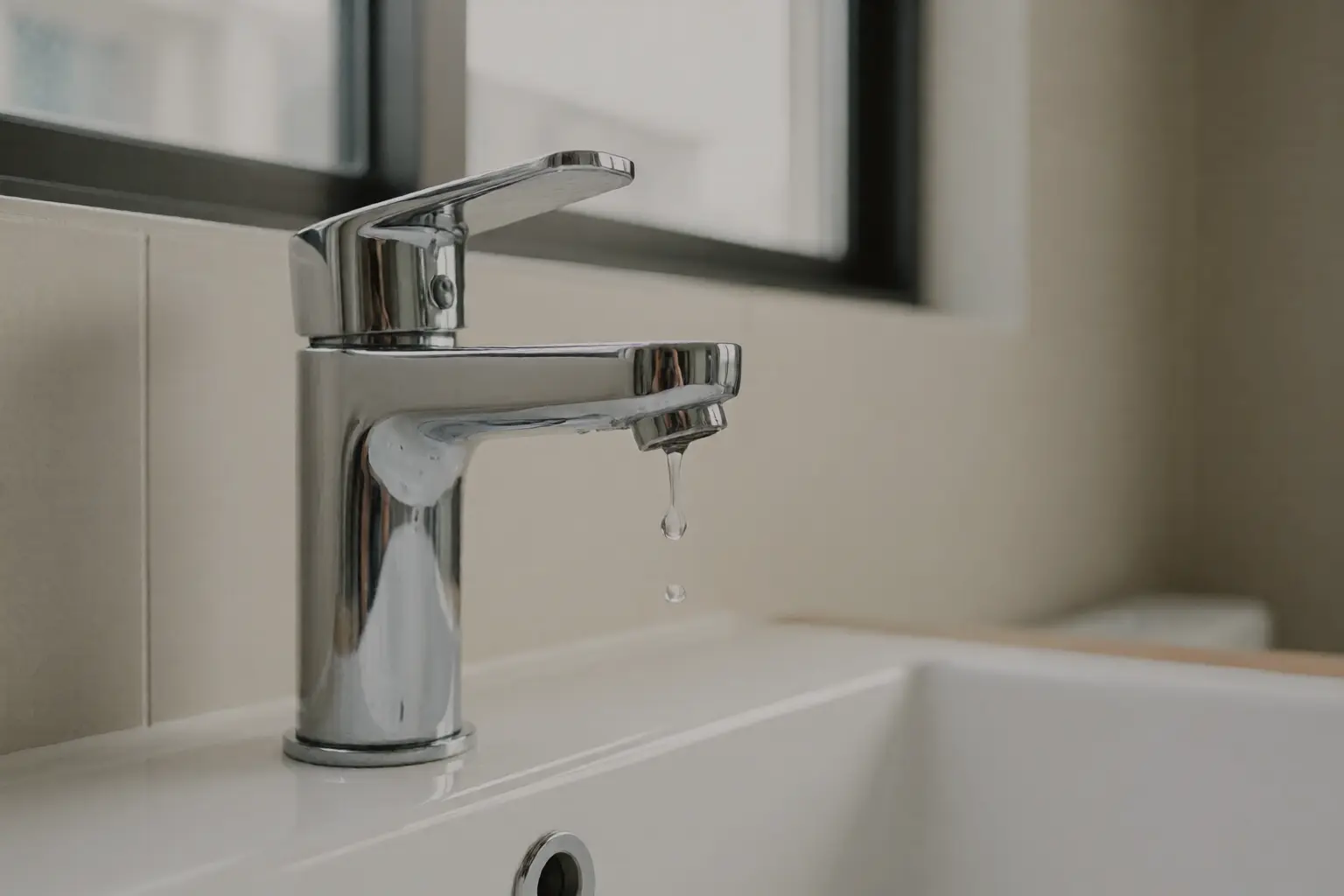
This is the position the Civil and Commercial Code sets from the outset. It is not a matter of what the parties feel like agreeing, and it does not depend on which of them is more accommodating.
The practical problem is therefore not who pays. It is where the line between "necessary" and "minor" actually falls, which is what this article sets out.
What the Code says
Four sections work together here, and they are worth reading as a set rather than one at a time.
| Section | Substance | Practical effect |
|---|---|---|
| 546 | The lessor must deliver the leased property in good repair | Anything already broken at move-in is not the tenant's burden |
| 547 | Necessary and reasonable expenses the lessee incurs to preserve the property must be reimbursed by the lessor, except ordinary upkeep and minor repairs | The tenant can pay and claim it back |
| 550 | The lessor is liable for defects arising during the lease and must carry out all necessary repairs | Things that fail mid-tenancy are still the lessor's |
| 553 | The lessee must maintain the property and carry out minor repairs | Small jobs belong to the tenant |
Read together, the structure is clear: the lessor is responsible for making the property usable, and the lessee is responsible for looking after it while using it.
Where the line between major and minor sits
The test is whether the fault affects ordinary use of the property. If it does, it is a necessary repair and the lessor's burden. If it is a small job that can be handled easily and does not stop you living there, it is a minor repair and the lessee's.
| Lessor's responsibility | Lessee's responsibility |
|---|---|
| Roof leaks, water coming through the ceiling | Blown light bulbs |
| Burst pipes, leaks inside walls | Loose screws and hinges |
| Electrical faults, a breaker tripping repeatedly | Drains blocked through use |
| Air conditioning supplied with the unit failing | Routine air conditioner cleaning |
| Cracked sanitaryware, a toilet that will not flush | Replacing a worn bidet spray hose |
| Doors or windows warped shut | Mould in grout from poor ventilation |
The exception that flips every row is damage caused by the tenant's own misuse. Sanitaryware cracked by dropping something heavy on it is not a defect under Section 550; it is damage the tenant answers for.
So the line always turns on two questions: what caused it, and does it prevent ordinary use of the property.
What a tenant can do when the owner will not repair
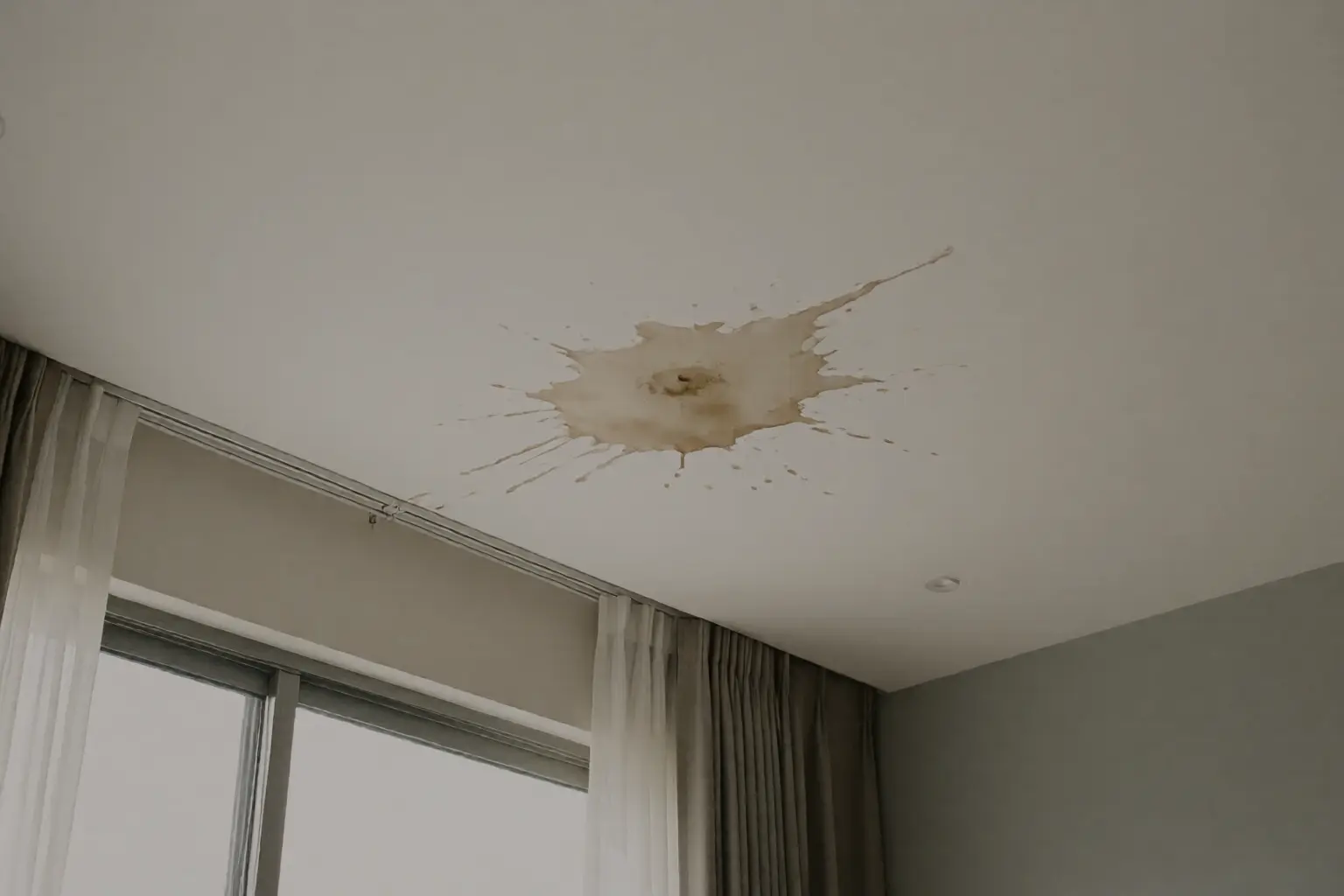
The law does not leave the tenant with only two options, endure it or move out. Section 547 allows the tenant to pay for a necessary and reasonable repair and reclaim the cost from the lessor.
But the sequence matters. This is not "get a contractor in and send the bill afterwards".
- Always give written notice first, stating the fault, the date found, and a reasonable deadline to repair. Section 551 requires the lessee to notify the lessor to remedy a defect first, where the defect does not render the property unusable.
- Document the fault with dated photographs and video.
- If nothing happens by the deadline, notify again saying you will arrange the repair and reclaim the cost.
- Use a contractor who issues a receipt or tax invoice, at a reasonable price, and do not take the opportunity to upgrade.
- Send the bill with the full evidence set, stating whether you will set it off against next month's rent or want reimbursement.
"Necessary and reasonable" cuts both ways. A repair beyond what was needed, or an upgrade, may not be recoverable in full.
Deducting from rent without notifying first is worth avoiding, because it gives the lessor an argument that the tenant defaulted on rent.
Is a clause saying "the tenant repairs everything" enforceable
The answer depends on the size of the landlord.
Where the landlord lets three or more units, they are a business operator under the 2025 Contract Committee Announcement, which provides that clauses conflicting with it have no legal effect even where the tenant has signed. See the 2025 rental contract control announcement.
Where the landlord has fewer than three units, the Civil and Commercial Code and the contract terms govern, which leaves more room to agree something different from the default position.
In that case, what a tenant should do is read the clause carefully before signing and negotiate for a clear split, rather than accepting a sweeping sentence that the tenant is responsible for all repairs.
What works in drafting is a monetary threshold: repairs costing under a stated amount are the tenant's, anything above is the lessor's. That removes the "was it minor?" argument entirely.
How to report a fault effectively
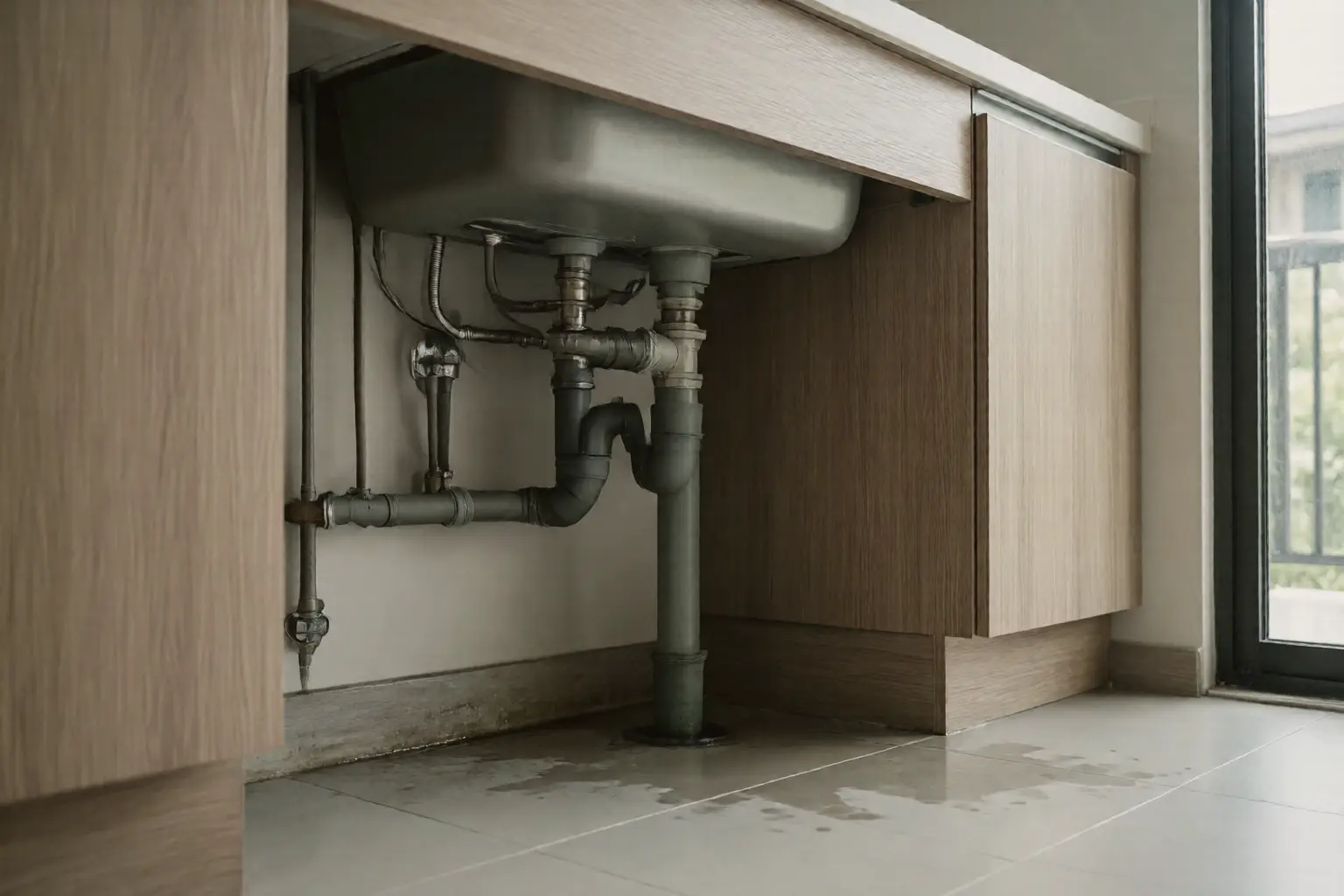
The difference between a report that gets acted on and one that vanishes is usually not politeness. It is precision.
- State the fault as fact, not feeling: water dripping from the bedroom ceiling since a given date, at roughly this rate per day.
- Attach dated photographs and a short video.
- State the effect on use of the property, because that is the language the law uses, rather than saying it is annoying.
- Ask for a specific deadline, such as an inspection within seven days.
- Send both by chat and in writing. Chat is faster; writing is what works when things drag.
- Keep everything as one dated set.
Repairs during the tenancy versus deposit deductions at the end
These run on two different tests and are constantly conflated.
What may be deducted from a deposit is damage beyond normal use. A defect that arose by itself during the lease was the lessor's burden under Section 550 from the start, and should not reappear as a deduction when the unit is handed back.
The most effective protection is photographing the unit together both on handover day and on move-out day, and keeping the full set of repair notifications. An item you reported and the owner never fixed should not become an item you are charged for.
Frequently asked questions
Who pays to repair the air conditioner in a rental
The lessor, where the unit came with the property and failed of itself, because that is a defect arising during the lease under Section 550. Routine cleaning is ordinary upkeep and falls to the lessee under Section 553.
What counts as a minor repair
A job that does not prevent ordinary use and can be handled easily, such as a blown bulb, a loose screw or a loose hinge, under Section 553 requiring the lessee to maintain the property and carry out minor repairs.
The owner will not repair. What can I do
Give written notice to remedy first, under Section 551. If nothing follows, pay for a necessary and reasonable repair and reclaim it from the lessor under Section 547, keeping receipts and the full notification record.
Can I deduct the repair cost from my rent
Give written notice in advance that you will. Do not deduct silently, because it gives the lessor an argument that you defaulted on rent.
Is a clause making the tenant repair everything valid
Where the landlord lets three or more units, a clause conflicting with the 2025 Contract Committee Announcement has no legal effect. Where they have fewer than three, the Code and the contract govern, so negotiate a clear split before signing.
Who is responsible for things already broken at move-in
The lessor, because Section 546 requires the lessor to deliver the leased property in good repair. Photograph the condition on handover day as evidence.
Who pays for a drain blocked by use
Generally the tenant, as it results from use and falls within ordinary upkeep, unless it can be shown to stem from a defect in the pipework itself, which returns it to the lessor.
In short
The Code is clear: the lessor delivers the property in good repair, is liable for defects arising during the lease, and carries out all necessary repairs. The tenant maintains it and handles small jobs.
The tool most tenants do not know they have is Section 547, which lets them pay for a necessary repair and reclaim it. But written notice must come first under Section 551, not a bill after the fact.
What to do from day one is photograph the unit fully and report every fault in writing, because nearly every repair dispute is decided on who has the documentation, not on who is right.
Browse houses and condominiums for rent, read on about who pays the rental agent, and owners who would rather not take repair calls themselves can see our rental management service.