

What Human × Car × Home means
It is Xiaomi's term for treating the person, the car and the home as one system, under a single account and a single operating system, HyperOS, with devices handing state to each other. The car knows you are nearly home and starts the air conditioning and the lights before you arrive.
Xiaomi brought that idea to IFA 2026 in Berlin under the theme The Surging Wave of AI, in what the company describes as its largest standalone overseas exhibition.
The numbers from the show
| Item | Figure |
|---|---|
| Exhibition space | More than 3,300 square metres, its largest standalone overseas showing |
| Products on display | More than 380 |
| Connected devices worldwide | More than 1.16 billion |
| Announced research spend | More than 24 billion euro across 2026 to 2030 |
On the automotive side the company showed the Vision Gran Turismo, the SU7 Ultra and the SU7 Max. On the home side Mijia, Xiaomi's smart home brand, made its first large scale entry into the European market.
Why this matters to anyone buying or building a house in Thailand
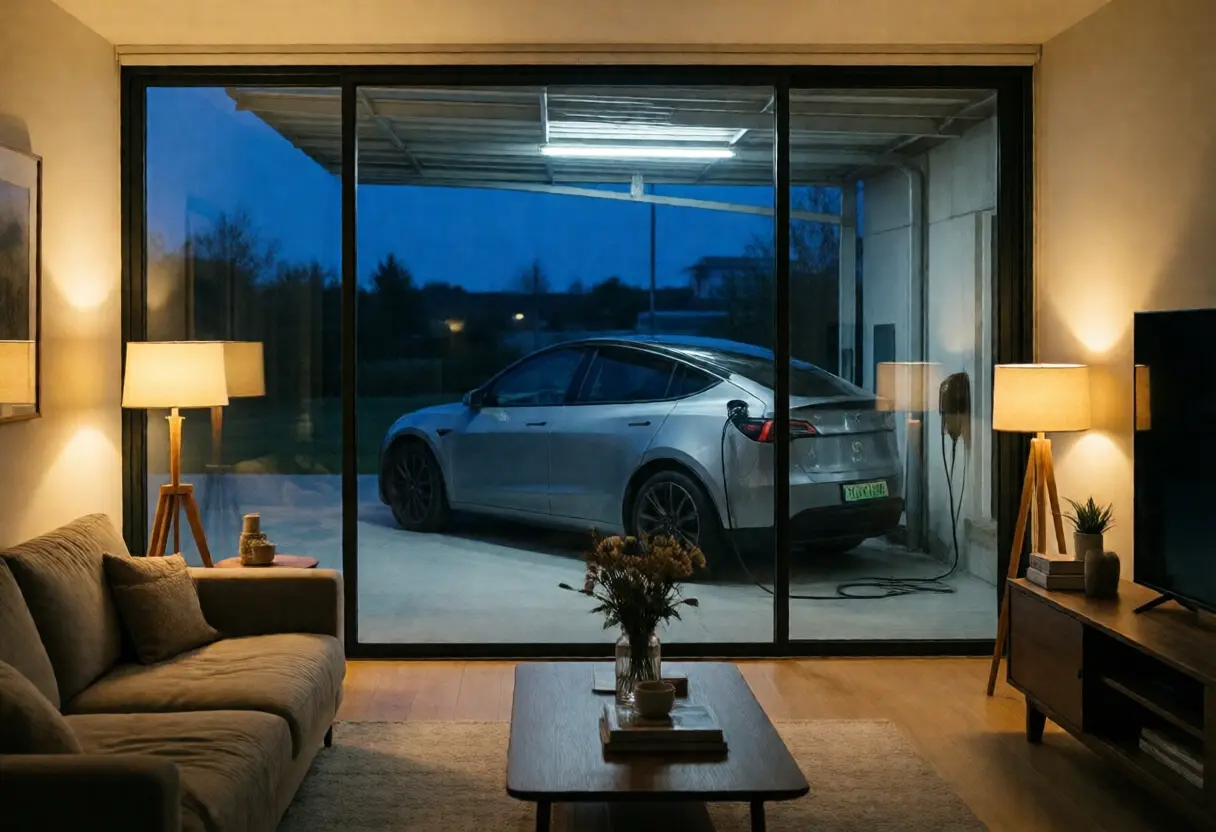
Because if the car and the home really do become one system, what changes is not an app on your phone. It is what has to be inside the walls on the day the house is built, and those things cost far more to add later.
A house that can support this needs three things, none of which is tied to any brand.
- Enough electrical capacity. An EV charger is the heaviest single load in a modern home. Older houses on their original meter and main breaker usually need a meter upgrade first.
- A stable network in the house. Devices that talk to each other continuously need stability rather than headline speed. The commonest failure is a single Wi-Fi point in the middle of a house that cannot get through concrete walls.
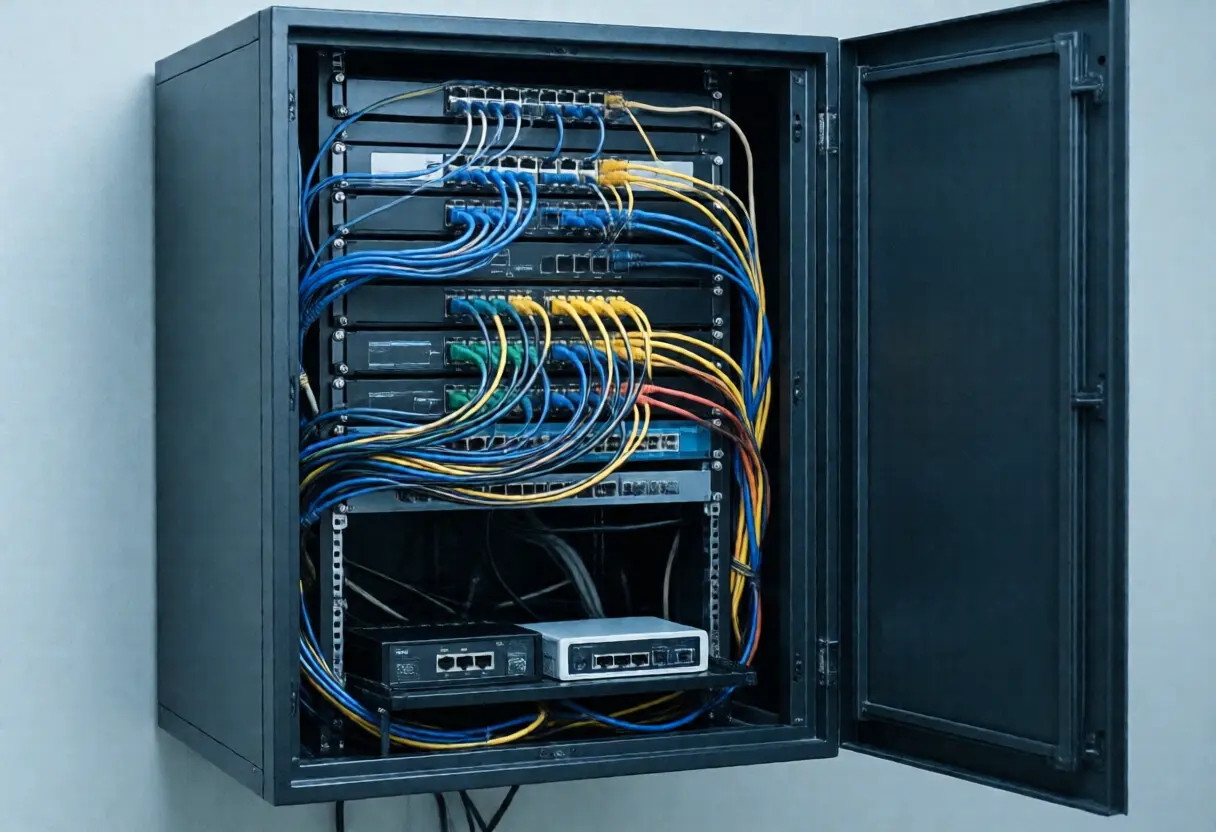
- Positions and conduit planned in advance: where the charger goes, where the network cabinet goes, and empty conduit running from that cabinet to the places that will matter.
On installing an EV charger in a Thai home, including meter sizing and safety, see the home EV charger installation guide.
What to read carefully in this announcement
This was a launch aimed at Europe. Mijia entering the European market at scale does not mean the same range arrives in Thailand at the same time, or that Thai language support lands with it.
That pattern repeats with home AI assistants: the gap between what is demonstrated on stage and what actually works in Thailand runs from months to years. What currently does and does not work here is set out in AI in the home in 2026.
So the safe advice is the same as it has always been. Build the brand-agnostic infrastructure: enough power, cable already run, positions left free. Choose the devices later, once they actually reach Thailand and the prices settle. Cable and conduit buried in a wall last twenty years. The boxes plugged into them get replaced every three to five.
What to allow for if you are building or renovating
- Apply for an electrical supply sized to include an EV charger when you first request the meter. Upgrading later costs considerably more.
- Run empty conduit from the network cabinet to every floor and to the carport, even if no cable goes in yet.
- Put the network cabinet centrally, with a socket and ventilation, rather than pushing it into a wardrobe.
- Give permanently powered devices such as sensors and cameras a socket or a wired feed, instead of running a whole house on batteries.
- Do not bury anything tied to a single ecosystem in a wall where it cannot be removed.
What belongs in the walls from the start is covered in detail in smart home in Thailand 2026. And if you are looking for a property that can take this kind of installation, see our houses for sale.
Frequently asked questions
What is Human × Car × Home?
Xiaomi's term for uniting the person, the car and the home into one system under a single account and the HyperOS operating system, with devices handing state between the car and the house.
What did Xiaomi show at IFA 2026?
An exhibition of more than 3,300 square metres, the company's largest standalone overseas showing, with more than 380 products under the theme The Surging Wave of AI, and Mijia's first large scale entry into Europe.
How many Xiaomi devices are connected worldwide?
More than 1.16 billion, according to the figure the company gave at the show.
When will these products reach Thailand?
This launch was aimed at Europe. Mijia's large scale European entry does not mean the same range arrives in Thailand at the same time or with Thai language support.
What does a house need to support this?
Three brand-agnostic things: electrical capacity that allows for an EV charger, a stable in-house network and particularly structured cabling, and positions and conduit planned in advance.
Why run cable if there is Wi-Fi?
Because devices in constant communication need stability more than speed, and the concrete walls of Thai houses attenuate signal heavily. A single Wi-Fi point in the middle of the house is the commonest point of failure.
Should I buy the devices now?
Build the infrastructure first and choose devices later. Cable and conduit in a wall last twenty years while the boxes are replaced every three to five.
How much is Xiaomi investing in research?
More than 24 billion euro in global research and development across 2026 to 2030.
Key takeaways
- Human × Car × Home unites person, car and home under one account and HyperOS, with devices handing state between them.
- Xiaomi showed this at IFA 2026 across more than 3,300 square metres, its largest standalone overseas exhibition, with over 380 products.
- The company put its worldwide connected device count at more than 1.16 billion and announced over 24 billion euro of research spend for 2026 to 2030.
- The launch was aimed at Europe, and Mijia's entry there does not mean the same range reaches Thailand at the same time.
- What a buyer or builder should actually do is prepare power, network and conduit, none of which is tied to a brand.
- An EV charger is the heaviest single load in a modern home, so size the meter for it from the outset.
- Cable and conduit in a wall last twenty years while devices are replaced every three to five, so spend on the infrastructure first.