
Who may collect an estate common fee, and on what basis?
The cost of maintaining and managing the estate's public utilities is collected monthly from every subdivided plot in the project, and the rate may differ according to the type of land use or the size of the plot, under Section 49 of the Land Subdivision Act B.E. 2543.
The party with the power to collect is the housing estate juristic person established under Section 44(1), or the party approved by the committee to carry out the maintenance under Section 44(2), and collection begins once the juristic person is established or the approval is given.
What homeowners often do not know is that the developer must contribute for the plots that have not yet been sold, under Section 49 paragraph two. A project that has not sold out cannot push the whole burden onto the residents who have already taken transfer.
Setting and amending the rate requires the approval of a resolution of the general meeting of members, or of the committee, depending on which arrangement the project sits under in Section 44.
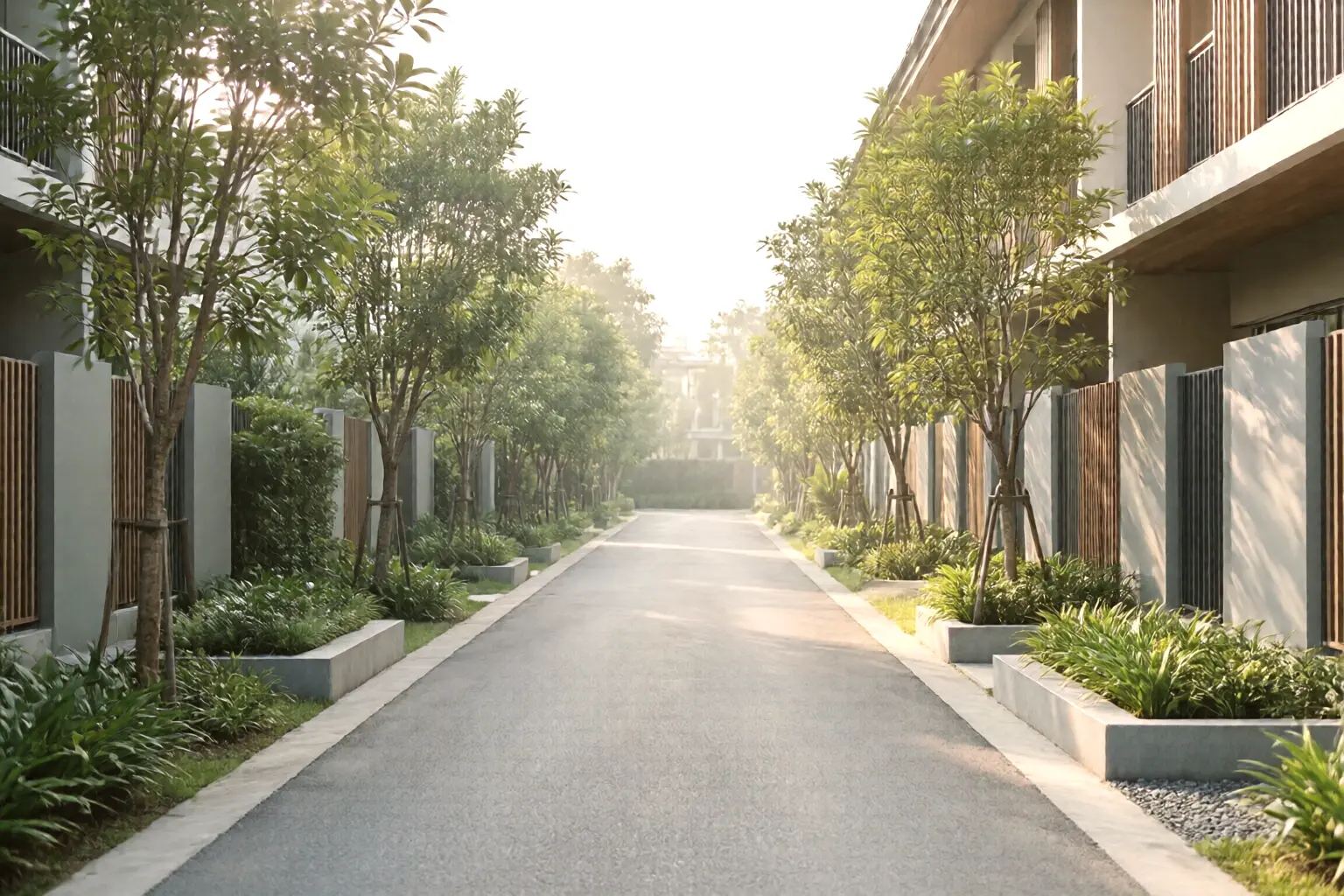
Three months in arrears: access to the shared facilities can be cut
A person in arrears on the maintenance and management charge for three months or more may have services or the use of the estate's public utilities suspended, under Section 50 paragraph two, as amended by the Land Subdivision Act No. 2 B.E. 2558.
Before that, paying later than the due date already attracts a late-payment penalty at the rate the committee sets, under Section 50 paragraph one.
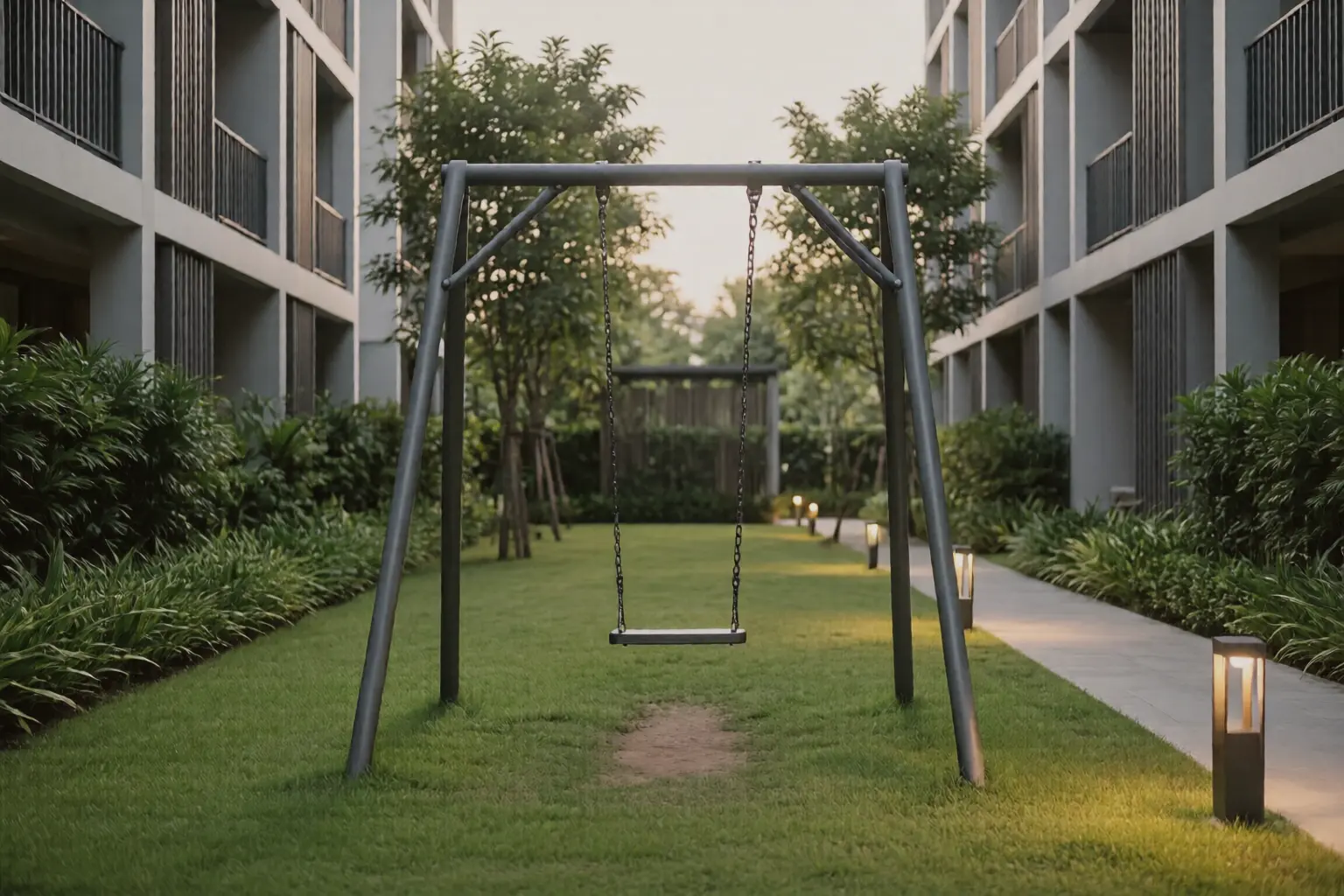
The public utilities in question are the roads, the park, the playground and the other shared amenities the developer provided under the approved project plan, which Section 43 places under a servitude for the benefit of the subdivided land.
Six months in arrears: the plot cannot be transferred, and the debt outranks other creditors
Where the arrears reach six months or more, the competent official has the power to suspend the registration of rights and juristic acts over the debtor's plot in the estate until payment is made in full, under Section 50 paragraph two.
That means six months of unpaid common fees stops a sale, a transfer, a mortgage and a gift alike, because all four are registrations of rights and juristic acts at the land office.
The law then goes one step further: the maintenance and management debt is treated as a preferential claim for the preservation of immovable property over the debtor's plot.
A preferential claim means this debt ranks ahead of ordinary creditors against that plot, which is why a buyer of a resale house inside an estate should check it before paying a deposit rather than before the transfer date.
The way to check is to ask the housing estate juristic person for a written statement of the outstanding balance as at the date you ask, then write into the sale and purchase agreement that the seller clears it before transfer day. The running order of the day itself is in our guide to transferring at the land office.
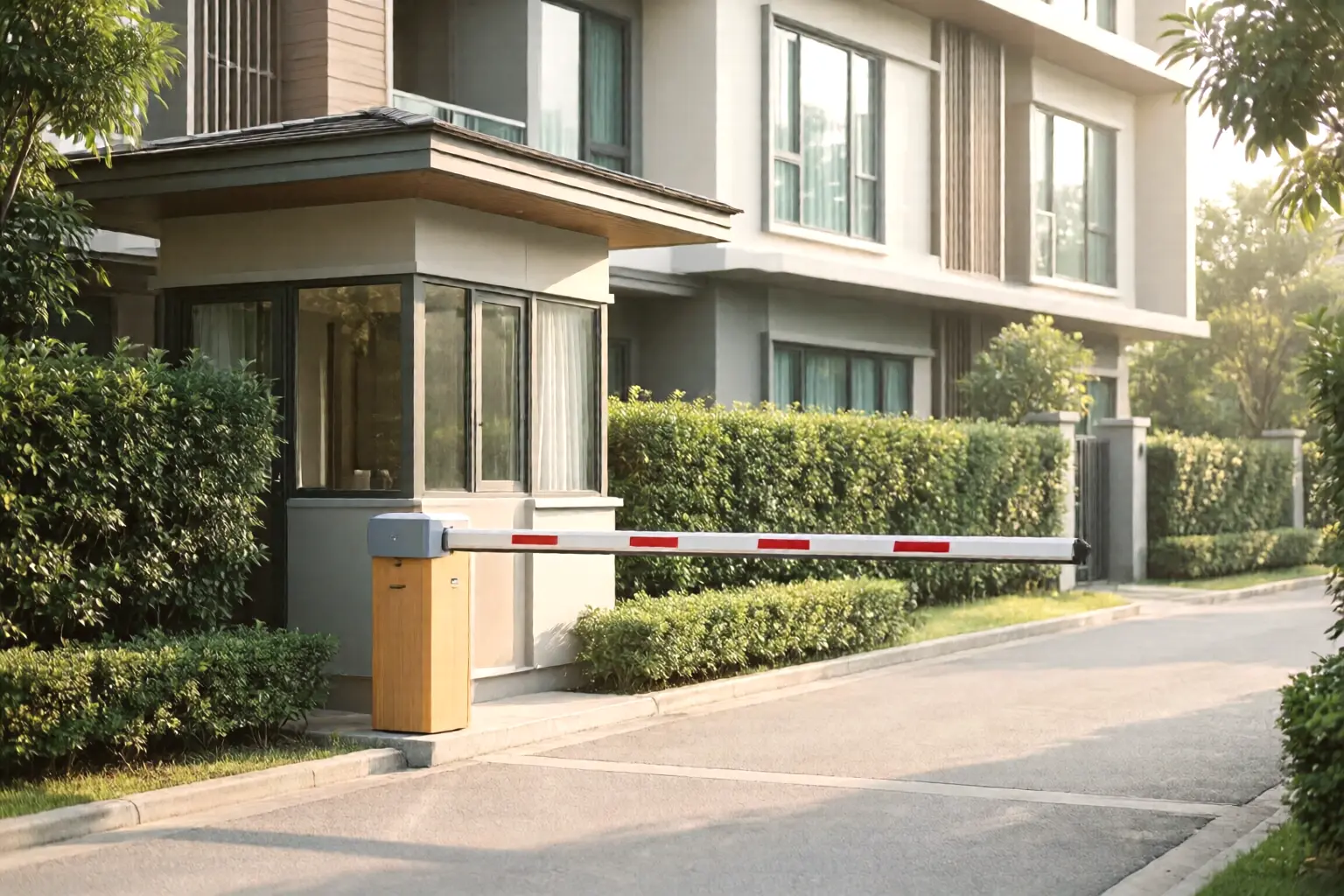
When is the developer released from maintaining the estate?
The developer has a duty to maintain the public utilities in the condition in which they were built, under Section 43, and is released from it only after the responsibility period stated in the project has expired and one of the steps in Section 44 has been taken.
The first is that the buyers establish a housing estate juristic person to take over the utilities and maintain them, within a period the developer sets, which must be not less than 180 days from the date of notification.
The second is that the developer obtains the committee's approval to do something else for the maintenance, or registers the transfer of the utilities as public property.
Establishing the juristic person requires a resolution of buyers holding not less than half of the subdivided plots on the project plan, under Section 45, and once registered the utilities become the property of the juristic person.
Section 51 also exempts the registration of that transfer from fees and taxes, and exempts from tax the money the juristic person receives to spend on maintenance.
Those 180 days are the window that decides the next decade
The period that determines the quality of an estate for the next ten years is the 180 days after the developer's notice, because if the residents cannot organise in time the developer is entitled to take the second route instead.
The second route is not bad in itself, but it leaves the power to set the rate and choose the maintenance contractor outside the residents' hands, unlike a juristic person of their own.
Two questions worth asking before buying in a project that is still selling: when does the developer's maintenance responsibility period under the project end, and does the project already have a housing estate juristic person?
If the developer does anything that diminishes the benefit of the servitude under Section 43 or makes it less convenient, or deviates from the approved project plan, the committee may order the developer to stop and to restore it, under Section 52.
Frequently asked questions
How is the estate common fee assessed?
Monthly, from every subdivided plot in the project, with rates that may differ by type of land use or plot size, under Section 49 of the Land Subdivision Act B.E. 2543.
How many months of arrears before facilities are cut off?
Three months or more may lead to suspension of services or of the use of the estate's public utilities, under Section 50 paragraph two.
Can I sell a house that owes estate fees?
If the arrears reach six months, the competent official may suspend the registration of rights and juristic acts over that plot until the debt is paid in full, which blocks a transfer, a sale, a mortgage and a gift.
Does the debt attach to the land?
The Act treats it as a preferential claim for the preservation of immovable property over the debtor's plot, so it affects that plot and the balance should be checked before any deposit is paid.
Does the developer pay fees on unsold plots?
Yes. Section 49 paragraph two requires the developer to pay the maintenance and management costs for the subdivided plots that have no buyer yet.
What majority is needed to establish the juristic person?
A resolution of buyers holding not less than half of the subdivided plots on the project plan, who then appoint a representative to apply for registration with the provincial land office, under Section 45.
When does the developer stop maintaining the roads and park?
Once the responsibility period in the project has expired and Section 44 has been satisfied: the residents establish a juristic person to take over within a period of not less than 180 days from notification, or the committee approves another arrangement or a transfer to public ownership.
Are there fees to transfer the utilities to the juristic person?
No. Section 51 exempts the registration of the transfer of public utilities and public services to a Section 44(1) juristic person from fees and taxes.
Summary
- Estate common fees are collected monthly from every plot under Section 49, and the developer pays for plots it has not sold.
- Arrears of three months or more can cost you the use of the estate's shared facilities.
- Arrears of six months or more allow the official to suspend registration of rights, so the plot cannot be transferred or mortgaged.
- The maintenance debt is a preferential claim over the debtor's plot in the estate.
- Roads, parks and playgrounds fall under a servitude for the benefit of the subdivided land under Section 43.
- The developer is released from maintenance only after the project period ends and residents take over within not less than 180 days, or the committee approves an alternative.