
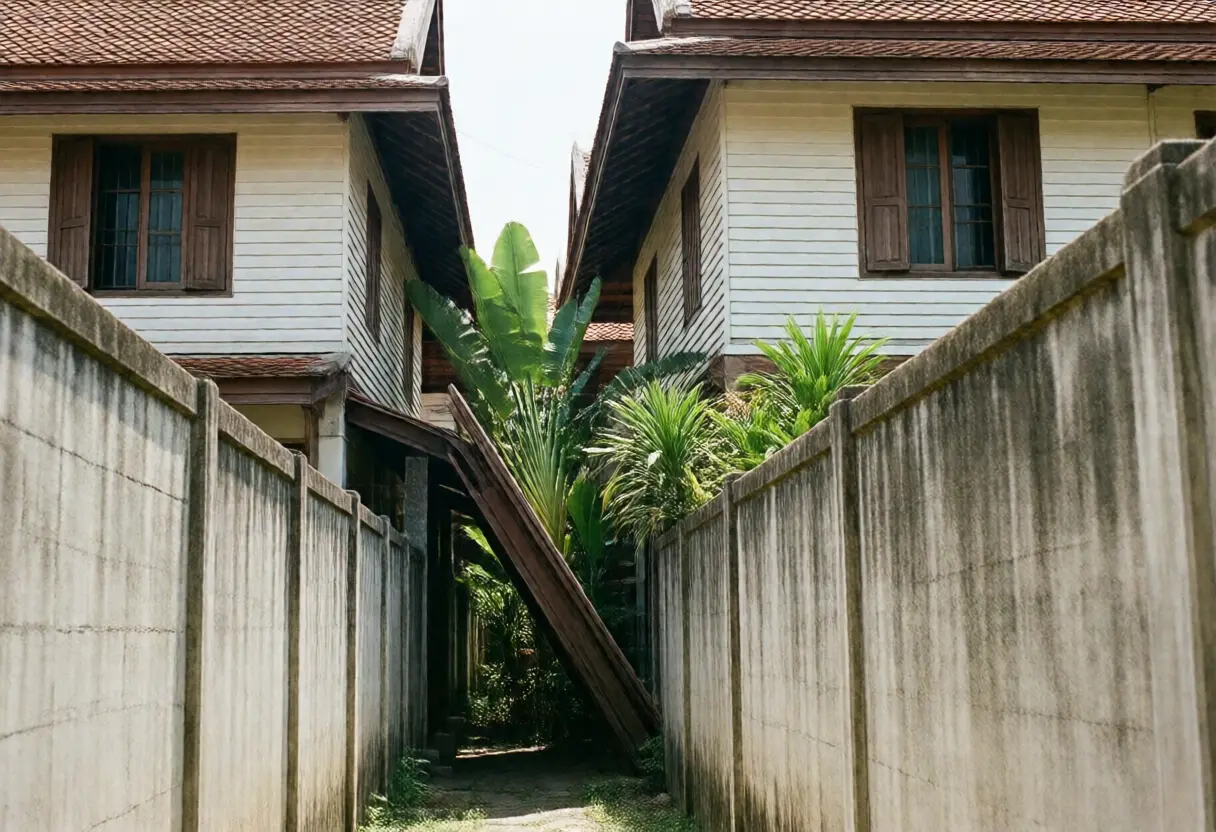
A neighbour has built over your boundary. What can you do?
It depends on two things: what they built and whether they built in good faith. If it is part of a dwelling encroaching only slightly and built in good faith, the law lets them keep the structure but requires them to pay for the use of the land and register a servitude. A wall, a carport or a water tank crossing the line gets no such protection.
Most people do not know that distinction, and so start the negotiation down the wrong road on day one.
What section 1312 provides
Section 1312 of the Civil and Commercial Code has two paragraphs, and they produce opposite results.
| Built in good faith | Built in bad faith | |
|---|---|---|
| Legal effect | The builder owns the structure they erected | The landowner may demand its removal |
| What must be paid | Money to the landowner for the use of the land | The builder bears the cost of demolition and restoring the land |
| What gets registered | A servitude over your land | Nothing |
Look at the bottom left cell. That is the heaviest outcome for a landowner, because a servitude runs with your land and will bind whoever buys it from you in future. How servitudes behave is set out in land carrying a servitude.
If the structure is later destroyed entirely, the landowner may apply to have the registration cancelled.
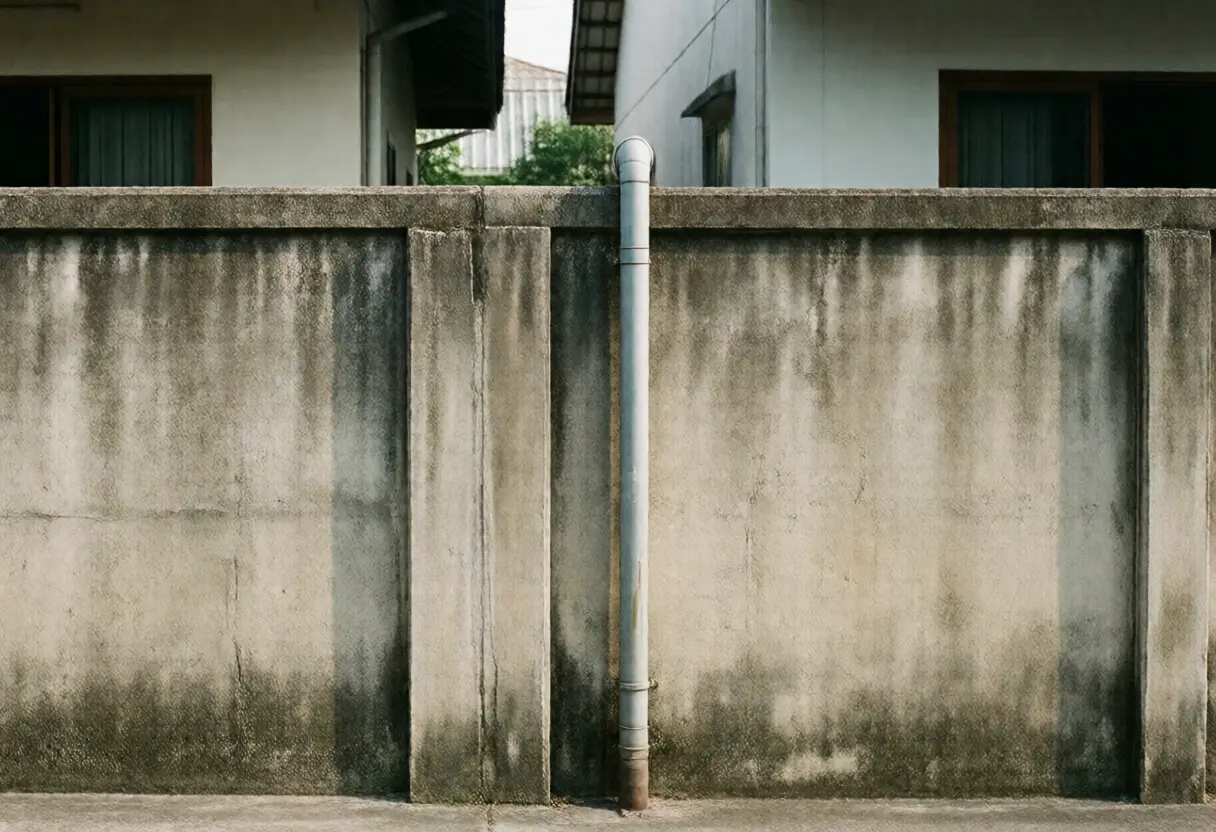
The point most people miss: a wall is not a dwelling
The word used in this section means a house for habitation. It does not mean every kind of structure.
| What crossed the line | Covered by section 1312? |
|---|---|
| The house itself, or an extension used for living | Yes, if the encroachment is minor and made in good faith |
| A wall or fence | No |
| A carport | No |
| Water pipes, a pump, a water tank | No |
In practice this means a wall encroaching on your land gets no protection under this section even where the neighbour built in good faith. You can require it to be moved or removed under ordinary principles of ownership.
Which is why the first question to answer is what they built across the line, not how many centimetres it crosses.
What good faith means, and who proves it
Good faith here means building without knowing, and without any reason to know, that the work was crossing onto someone else's land. Believing honestly that the boundary ran where an earlier survey put it, for instance.
What usually destroys the builder's good faith:
- Being warned in writing before completion and carrying on anyway
- Having a boundary survey that settled the line before work began
- Encroaching so far that an honest mistake is not credible
The first is the one that matters most to you as the landowner. If you see a neighbour start building and suspect it crosses the line, object in writing immediately and keep proof of delivery, because that letter is what moves the case from the first paragraph to the second.
The order to do things in
- Get a boundary survey first. Apply at the local land office, because everything afterwards must refer to the line the surveying officer confirms, not to the fence everyone has been using.
- Send a formal notice by registered post with return receipt, stating what encroaches, by how much according to the survey, and a deadline to put it right.
- Negotiate with figures on the table. The quickest resolution is usually buying or selling the strip, or registering a servitude for a payment, rather than demolition.
- Go to court if negotiation fails, seeking removal or payment for the use of the land depending on which paragraph applies.
Where the encroachment is a building extension there is a second route: report it to the local authority under the building control legislation, because an extension that does not match the approved plans is a separate offence from the encroachment and the two can proceed together.

What you must not do
Do not remove it yourself, however certain you are.
Knocking down someone else's wall or structure is criminal damage, and entering their property to do it is trespass on top of that. A matter in which you were entirely in the right becomes one in which you are the defendant.
The same pattern catches landlords who lose patience and change the locks, described in what a landlord can do when rent stops.
If you are the one who has encroached without realising
- Do not demolish yet, and do not admit in writing that it was deliberate, because good faith is the only thing standing between you and the second paragraph.
- Gather evidence of what you honestly believed the boundary to be: approved plans, an earlier survey, or a fence that predates your purchase.
- Offer a financial solution before a demolition solution, because payment for use of the land is usually far cheaper than demolishing and rebuilding.
- If you reach agreement, register the servitude properly rather than agreeing verbally, because the next owner of that land will not be bound by an unregistered arrangement.
Before buying land or a house, checking the physical boundary against the documents heads this off entirely. The checklist is in how to check a plot before paying a deposit, and if you are looking, see our land and houses for sale.
Frequently asked questions
My neighbour's extension crosses my boundary. Must it come down?
Not necessarily. Where it is a dwelling encroaching only slightly and built in good faith, section 1312 leaves the builder owning the structure while paying for the use of the land and registering a servitude. Where it was built in bad faith, the landowner can require removal.
Does section 1312 cover a neighbour's wall?
No. The section refers to a house for habitation. Walls, carports, water pipes, pumps and water tanks are not covered and get no equivalent protection.
What does good faith mean here?
Building without knowing, and without reason to know, that the work crossed onto another person's land. Being warned in writing before completion and continuing anyway can destroy it.
What should I do first?
Apply for a boundary survey at the local land office, because every step afterwards has to refer to the line the officer confirms rather than to the existing fence.
Can I demolish the encroaching wall myself?
No. Demolishing another person's structure is criminal damage, and entering their property to do it is trespass as well.
Does a servitude from an encroachment stay with the land?
Yes, and it binds the next owner too. But if the structure is later destroyed entirely, the landowner may apply to have the registration cancelled.
Where do I report an unapproved extension?
To the local authority under the building control legislation, which is a separate matter from the encroachment and can be pursued at the same time.
Is a verbal agreement enough?
No. Register the servitude properly, because the next owner of the land will not be bound by an arrangement that was never registered.
Key takeaways
- The answer depends on what was built and whether it was built in good faith, not on how far it crosses.
- Section 1312 paragraph one leaves a good faith builder owning the structure while paying for the land and registering a servitude.
- Paragraph two lets the landowner require removal and restoration at the builder's expense where there was bad faith.
- The section covers a house for habitation. Walls, carports, pipes, pumps and tanks are not covered.
- A written objection before completion is what moves a case from the first paragraph to the second.
- Always get a boundary survey first, because everything afterwards refers to the confirmed line.
- Never remove it yourself. That is criminal damage and trespass even when you are in the right.