
What taxes a landlord actually faces
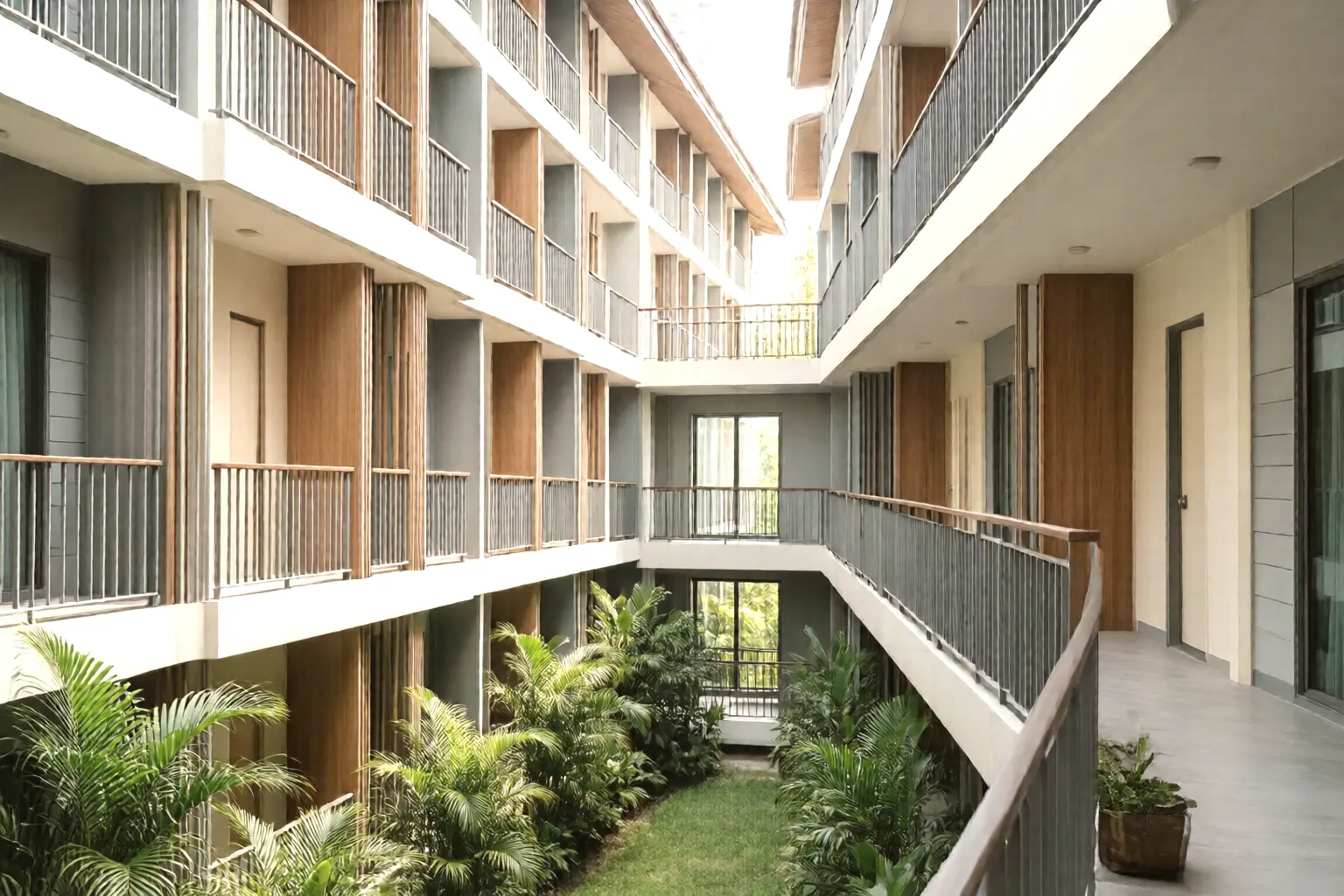
An individual letting property in Thailand deals with four taxes, not one: personal income tax on the rent, withholding tax where the tenant is a company, land and building tax, and stamp duty on the lease.
| Tax | Who pays | Base |
|---|---|---|
| Personal income tax | The landlord | Rent received, less deductions |
| Withholding tax | Tenant withholds and remits | Rent paid, only where the tenant is a juristic person |
| Land and building tax | The owner | Appraised value |
| Stamp duty | As agreed in the lease | Total rent across the lease term |
What catches most owners out is not any one of these. It is knowing only one of them and assuming that is the whole list.
How income tax on rent is calculated
Rent from immovable property is assessable income of category 5 under Section 40(5) of the Revenue Code, and must be combined with your other income in the annual personal income tax return.
Before that calculation, the law allows a deduction for expenses, and the flat rate differs by property type.
| Type of property let | Standard flat deduction |
|---|---|
| Houses, buildings and other structures | 30% |
| Land used for agriculture | 20% |
| Land not used for agriculture | 15% |
| Vehicles | 30% |
| Other property | 10% |
For each type you may take either the flat deduction or actual expenses, but you must choose one for that category of income. You cannot mix them.
Flat 30% or actual expenses
The simple rule: if actual expenses across the year exceed 30% of the rent received, actual is better. If not, the flat deduction is easier and needs no document trail.
Years where actual expenses usually exceed 30% are those with a major repair, a full air conditioning replacement, a repaint of the whole property, or several vacant months while common fees and interest keep running.
The trade-off with actual expenses is that every item needs evidence. A receipt issued in someone else's name, or no receipt at all, cannot be used. An owner intending to claim actual expenses has to start keeping documents in January, not at filing time.
A worked example
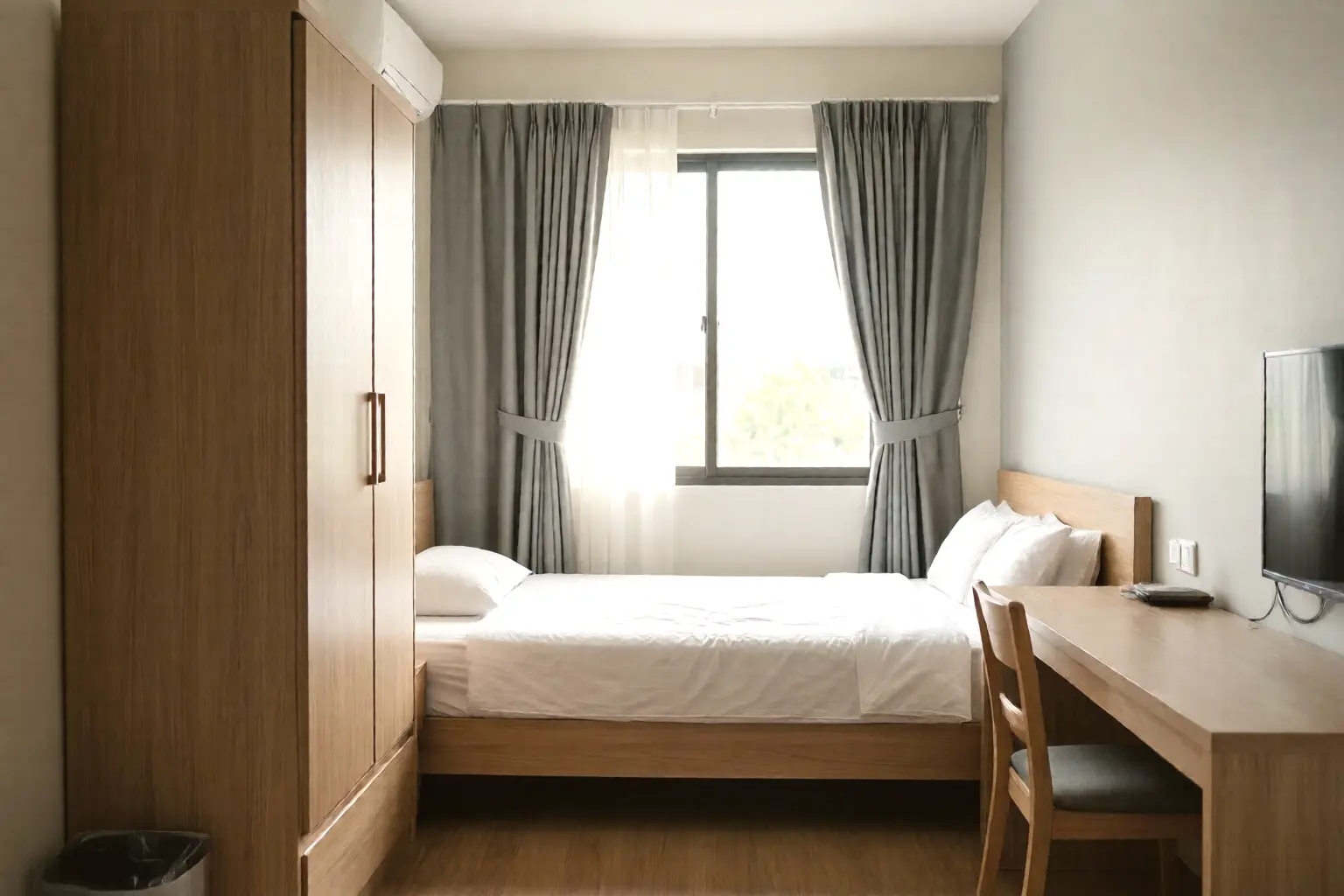
Take a condominium let at THB 20,000 a month with a full year of rent received.
- Rent received for the year: THB 240,000
- Flat deduction at 30%: THB 72,000
- Income after deduction: THB 168,000
That THB 168,000 is not the taxable amount. It is combined with your other income for the same year, then reduced by whatever personal allowances you are entitled to, before the progressive rates apply.
Now compare a year with major work. Say you replaced the air conditioning, repainted, and changed some furniture, for actual expenses of THB 95,000.
- Actual deduction of THB 95,000 beats the flat THB 72,000 by THB 23,000.
- Income after deduction falls to THB 145,000 instead of THB 168,000.
Which shows that the choice of method is not decided once and kept forever. It should be reviewed each year against what was actually spent.
Filing dates: PND 94 and PND 90
Category 5 income is filed twice a year, not once as salary is.
- PND 94, the half-year return, for income received in the first half of the year, filed online by 8 October each year.
- PND 90, the annual return, for the full year, filed online by 8 April of the following year.
Tax paid with the PND 94 is credited against the tax due on the PND 90, so this is not double taxation. It is payment in instalments.
The common mistake is an owner with a salaried job assuming one filing early in the year is enough, and missing the half-year return without realising.
Corporate tenants withhold 5%
Where the payer of rent is a juristic person, they must withhold tax at 5% of the rent for immovable property under Revenue Department Order Tor Por 4/2528, and remit it on the landlord's behalf.
That money is not lost. It is tax paid in advance, and the landlord uses the withholding certificate as a credit on the annual return.
So keep every certificate. It is the only document proving that sum was remitted. Landlords who lose them end up asking the tenant for a replacement, and the tenant has sometimes moved out.
Note also that a deposit treated as part of the rent falls into the base for withholding as well.
Land and building tax: the genuinely unclear part
The first two taxes are clear. The third has to be described honestly, because practice is not settled.
What is clear: the residential exemption applies only to a principal home where the owner's name is on the house registration. A second home or a condominium that is let receives no exemption and is taxed from the first baht, with the residential band starting at THB 200 per million, which is 0.02%.
What is not clear is the use classification. The tax is assessed on actual use, and guidance exists stating that a condominium let for residential purposes remains on the residential rate as long as the tenant genuinely lives in it.
At the same time, other sources classify a let house under the commercial and rental category, starting at around 0.3%, which is fifteen times higher.
That gap is not trivial, and local authorities do not all apply it the same way. So the right move is not to trust any single article, including this one. It is to call the district office or the local administrative organisation where the property sits before the payment cycle and ask exactly which category your property has been placed in.
For rates and calculation, see the land and building tax checklist, and read it alongside the 2027-2030 appraisal round, because this tax is calculated on the appraised value that is about to rise.
Stamp duty on the lease
A lease must be stamped at THB 1 per THB 1,000 of the total rent across its term, which is 0.1%.
The figure is small enough that many skip it, but an improperly stamped instrument cannot be used as evidence in civil proceedings, which becomes a problem on precisely the day you need to sue for unpaid rent.
For the detail, along with lease registration, see leases over three years must be registered.
What actually saves tax
- Keep every repair and improvement receipt from January, so the actual-expense option is available in an expensive year.
- Always have receipts issued in the property owner's name. A receipt in someone else's name cannot be deducted.
- Use a separate account for rent, so receipts match what you file and can be traced later.
- Keep every withholding certificate. Each one is tax already paid.
- Do not forget the half-year return. Set the reminder for early September, not early October.
- Confirm your land tax classification with the local authority, because the gap between the residential rate and the other rate is substantial.
Frequently asked questions
Is rental income taxable in Thailand
Yes. Rent from immovable property is assessable income of category 5 under Section 40(5) and must be combined with your other income in the personal income tax return.
What percentage can be deducted from rental income
Houses, buildings and structures get a 30% flat deduction or actual expenses. Land used for agriculture gets 20%, land not used for agriculture 15%, vehicles 30%, and other property 10%.
Should I take the flat deduction or actual expenses
If actual expenses for the year exceed 30% of the rent received, actual is better, but every item needs evidence issued in the owner's name. Below 30%, the flat deduction is simpler.
How many times a year is rental income filed
Twice: the PND 94 half-year return, filed online by 8 October, and the PND 90 annual return, filed online by 8 April of the following year.
How much does a corporate tenant withhold
5% of the rent for immovable property, under Revenue Department Order Tor Por 4/2528. The tenant withholds and remits, and the landlord credits it on the annual return using the withholding certificate.
What land tax rate applies to a rented condominium
It gets no exemption like a principal home, so it is taxed from the first baht, with the residential band starting at THB 200 per million. But classification follows actual use and local practice varies, so ask the district office or local administrative organisation where the property sits.
How much is stamp duty on a lease
THB 1 per THB 1,000 of total rent across the lease term, which is 0.1%. An improperly stamped lease cannot be used as evidence in civil proceedings.
In short
Letting property brings four taxes. The largest is income tax, with a 30% flat deduction available for buildings and structures, filed twice a year.
The murkiest is land and building tax, where the classification between the residential rate and the other rate differs by many times and local practice is inconsistent. Ask your local authority rather than guessing.
Three things you can do immediately: separate the rent account, keep every repair receipt in the owner's name, and set a half-year reminder for early September. All three take under an hour to set up and pay off every year afterwards.
Owners wanting to let with the paperwork right from the start can see our rental management service, and current listings are at houses and condominiums for rent.