
These two rights answer different questions: who may live here, and who owns the building
People mix up a right of habitation with a right of superficies, because both let one person use another person's land or house.
They differ at the root.
A right of habitation answers who may live in this house, while the house and the land remain the owner's in every respect.
A right of superficies answers who owns the building standing on this land, which need not be the landowner at all.
The distinction sounds academic until the day the person holding the right dies and their family asks what they are left with.
At that point the two rights give completely opposite answers.
A right of habitation is the right to live in a dwelling without paying rent
Section 1402 of the Civil and Commercial Code is short and direct: a person granted a right of habitation in a building is entitled to occupy that building without paying rent.
Note the word building. A habitation right attaches to a structure, not to bare land.
And note without paying rent, which is what separates it clearly from a lease.
Duration is in section 1403, which provides that a right of habitation may be created for a fixed period or for the life of the occupant.
Where no period is fixed, the grantor may terminate it at any time, provided reasonable notice is given to the occupant.
That point is important and widely unknown. A habitation right with no stated term is a right that can be revoked, not the permanent arrangement many people believe they are signing.
Where a period is fixed, the law forbids more than thirty years, reduces any longer term to thirty, and allows renewal for no more than thirty years from the date of renewal.
So for security, state either the occupant's lifetime or a number of years. Do not leave it blank.
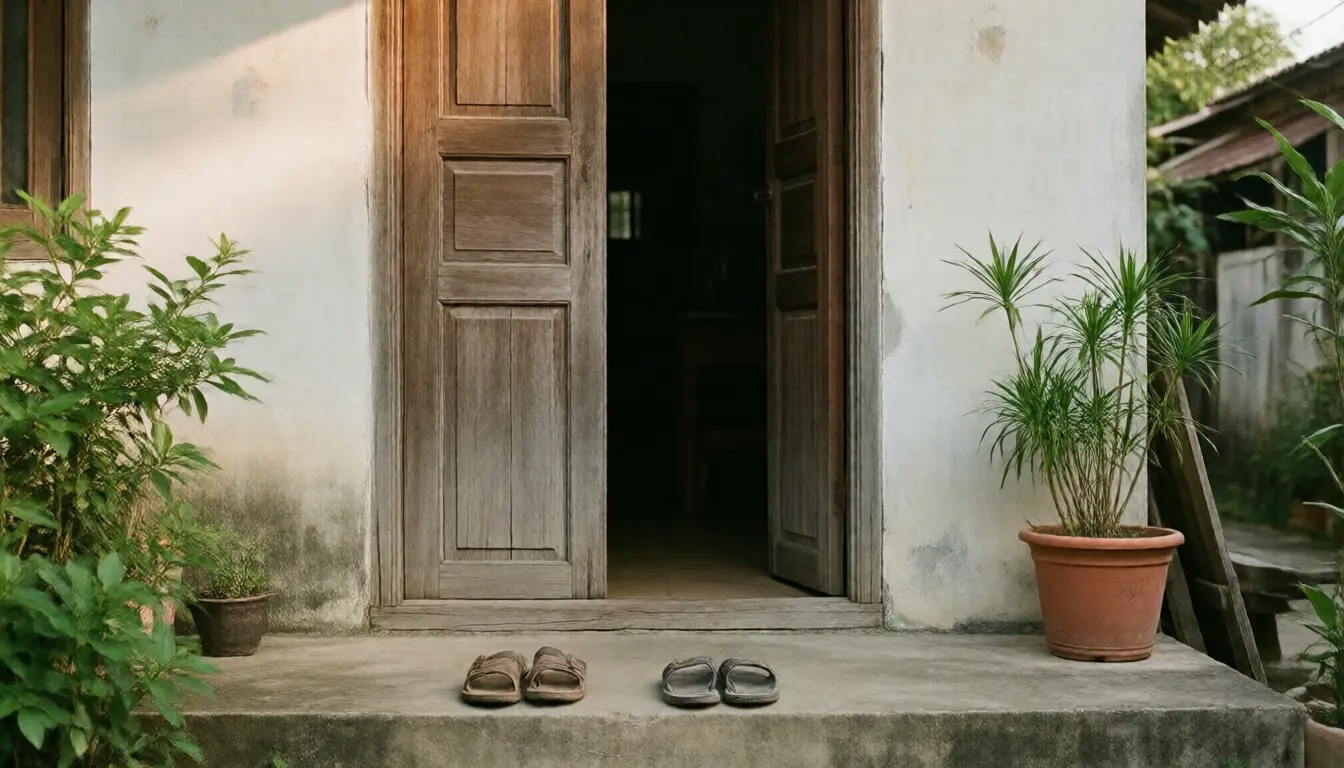
The clause that closes every door: a habitation right cannot pass by inheritance
Section 1404 is a single sentence: a right of habitation cannot be transferred, even by way of inheritance.
Read the words even by way of inheritance carefully.
When the occupant dies, the right ends there. Their children take nothing, and the owner may ask for the house back immediately.
And the occupant cannot sell the right, give it away, or pledge it as security, because it is not transferable property.
In practice, a habitation right suits one situation: you want a particular person to go on living in this house, and you want nothing whatever to happen to the property itself.
The real-world use is giving a house to one child while registering a habitation right for an elderly relative who has lived there for years, so they stay rent-free until their last day, and when they are gone the house belongs wholly to the child with nothing further to do.
One more thing to know: unless the grant is expressly limited to the occupant personally, the occupant's family and household may live there too, which is worth spelling out from the start.
A right of superficies means owning a building on somebody else's land
Section 1410 provides that a landowner may create a right of superficies in favour of another person, giving that person the right to own buildings, structures or plantations on or under the land.
The phrase the right to own is the whole point.
The general rule is that anything built onto land belongs to the landowner, which is exactly why people are reluctant to build a house on land they do not own.
A right of superficies is the exception that lawfully separates ownership of the building from ownership of the ground.
The word under appears in the section too, covering things below the surface such as pipes, tanks or underground structures.
On duration, a right of superficies may be created for a fixed term, for the landowner's life, or for the holder's life, and where a term is fixed it falls under the same thirty-year ceiling as a habitation right.
Where no term is fixed, either party may terminate at any time on reasonable notice, and where rent is payable, a year's notice or a year's rent is required.
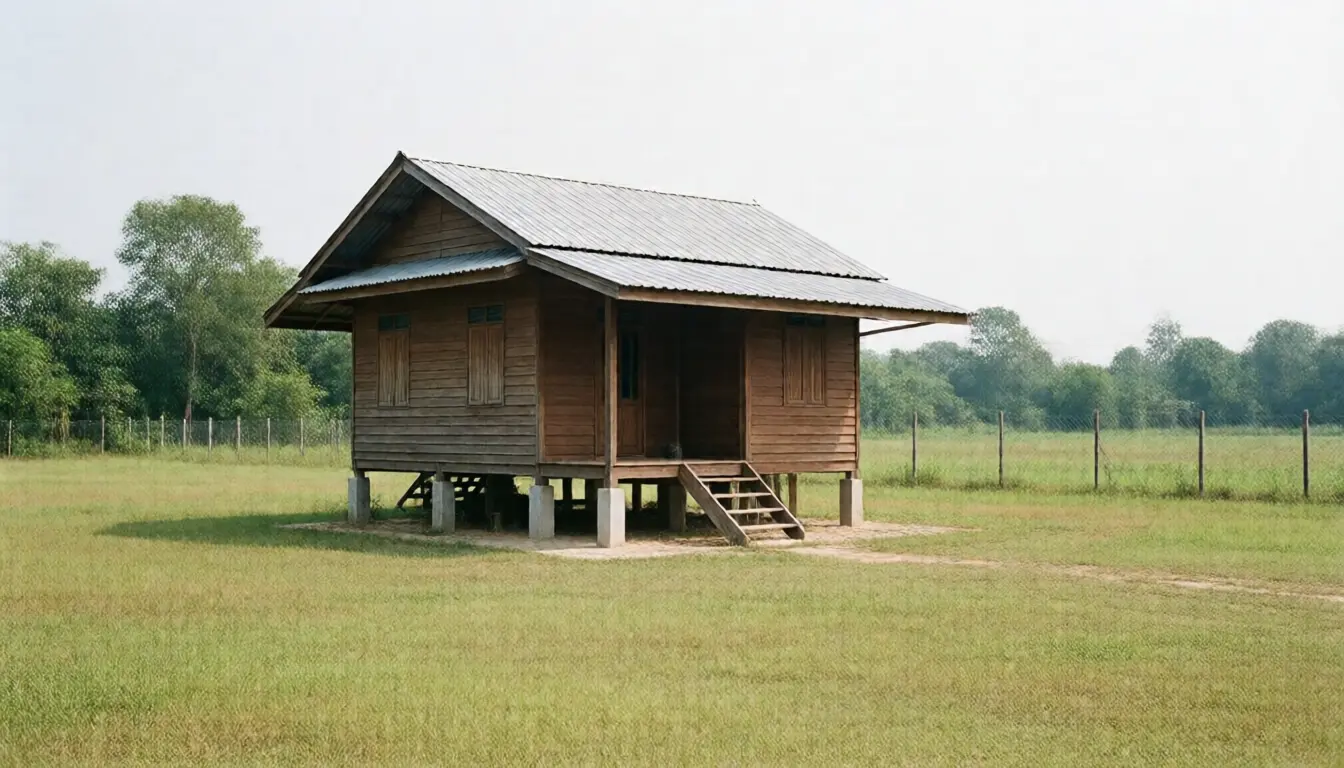
The clause that gives a right of superficies real value
Section 1411 provides that unless otherwise stipulated in the act creating it, a right of superficies may be transferred and may pass by inheritance.
Set that beside section 1404 and the picture is immediate.
A habitation right dies with the person. A right of superficies survives and passes to their heirs.
That makes a right of superficies a genuine asset: sellable, and in many cases usable as security, unlike a habitation right which is worth something only to the individual who holds it.
The words unless otherwise stipulated matter too, because a landowner who does not want the right passing to somebody they have never met can restrict it in the instrument from the outset.
If you are the landowner, that is a decision to make before signing, not after the holder has sold the right to a stranger.
When the right ends, who owns the building
This is what people fear most about building on somebody else's land, and the code answers it.
Section 1416 provides that when a right of superficies comes to an end, the holder may remove their buildings, structures and plantations, but must restore the land to its former condition.
However, if the landowner refuses to allow removal and gives notice of an intention to buy at market price, the holder may not refuse to sell without reasonable cause.
Read the two parts together and the balance appears.
The holder need not fear losing the building for nothing, because they may take it away, or if the landowner wants to keep it they must buy it at market price rather than receiving it free.
And the landowner does not risk getting the land back with a half-demolished building on it, because whoever removes it must restore the ground.
What to add in the contract is how market price will be assessed, by whom, and within what timeframe, because market price is a phrase with a very wide range on a day when nobody wants to talk.
Which to use, and when
- To let an elderly relative stay in the house until their last day without creating any burden on the property, use a habitation right, because it ends when they go.
- To build on a relative's or an employer's land and genuinely own the building, use a right of superficies.
- To let somebody live there and also collect rent, neither of these works. That needs a usufruct, explained in what a usufruct gives you and what it costs.
- For a commercial relationship with periodic payments, a lease fits better and allows far more detailed terms. Registering a long lease is covered in long lease registration and stamp duty.
The commonest mistake is using a habitation right where a right of superficies was needed.
Somebody builds a house with their own money on their parents' land and registers only a habitation right. On the day they die, their children get nothing from the house their parent built, because a habitation right cannot pass even by inheritance.
With a right of superficies the result is the opposite, because both the right and the building pass on.
This connects directly to planning how property reaches the next generation, compared in transferring a home to a child: gift or inheritance.
Registering them, and what to write down
Both are real rights over immovable property, so both are registered before the competent official at the Land Office where the property sits, with both parties attending.
Bring the original title deed, identity cards and house registration books for both sides, and spousal consent where the property is marital property.
What to spell out in either case:
- The term: for life or a stated number of years. Never leave it blank, particularly for a habitation right.
- The extent: the whole building or part of it, and whether the surrounding land is included.
- Who else may live there besides the holder.
- Who pays what: utilities, minor repairs, major repairs, and taxes.
- Conditions for early termination and how notice is given.
- For a right of superficies, whether it may be transferred, and how market price will be assessed when the right ends.
The last point again, because it matters most: these two rights differ not in name but in what the holder's family is left with after they are gone.
Answer that question first and the choice makes itself.
Frequently asked questions
How do a habitation right and a right of superficies differ?
A habitation right is the right to live in a building rent-free under section 1402. A right of superficies is the right to own buildings or plantations on somebody else's land under section 1410.
Can a habitation right pass to children?
No. Section 1404 provides that it cannot be transferred even by way of inheritance, so it ends when the occupant dies.
Can a right of superficies be sold or transferred?
Yes, under section 1411, unless the instrument creating it says otherwise. A landowner who does not want that must restrict it from the outset.
What is the maximum term for a habitation right?
Where stated in years, section 1403 caps it at thirty and reduces anything longer to thirty. It may instead be granted for the occupant's lifetime.
Can the owner cancel a habitation right with no stated term?
Yes. Section 1403 allows termination at any time on reasonable notice to the occupant, which is why a term should always be stated where security matters.
When a right of superficies ends, who owns the building?
Section 1416 lets the holder remove it while restoring the land, and if the landowner gives notice of intent to buy at market price, the holder may not refuse without reasonable cause.
Building on my parents' land: which should I register?
If the house is genuinely to be yours and to pass to your children, a right of superficies rather than a habitation right, because a habitation right ends when you die.
In short
- A habitation right is the right to live in a building rent-free, under section 1402.
- A right of superficies is the right to own a building or plantation on another's land, under section 1410.
- A habitation right cannot be transferred even by inheritance, under section 1404.
- A right of superficies may be transferred and inherited unless restricted, under section 1411.
- A habitation right with no stated term can be revoked on reasonable notice.
- When a right of superficies ends, the holder removes the building or the landowner buys it at market price, under section 1416.
- Building your own house on somebody else's land with only a habitation right is the mistake that leaves your children nothing.