
What happened this week
The Ministry of Interior, together with the Metropolitan Electricity Authority and the Provincial Electricity Authority, has opened registration for rooftop solar installation companies and for the equipment they use, announced at a press conference on 3 August 2026 at MEA SPARK, the Thai Electricity Museum in Wat Liap.
Deputy Minister of Interior Polpee Suwanchawee chaired the announcement alongside the MEA Governor and a PEA Deputy Governor, describing it as raising the standard of the whole installation chain so that it is safe, transparent, auditable and built to engineering principles.
Three dates matter to a homeowner: registration is open from 1 August to 30 September 2026, documents are checked and results concluded between 1 September and 30 October 2026, and the names of approved applicants start being published from 15 October 2026.
The lists of approved companies and equipment will be published on the MEA and PEA websites and public channels, which means that from the middle of October a homeowner will have, for the first time, a central list to check before hiring anyone.
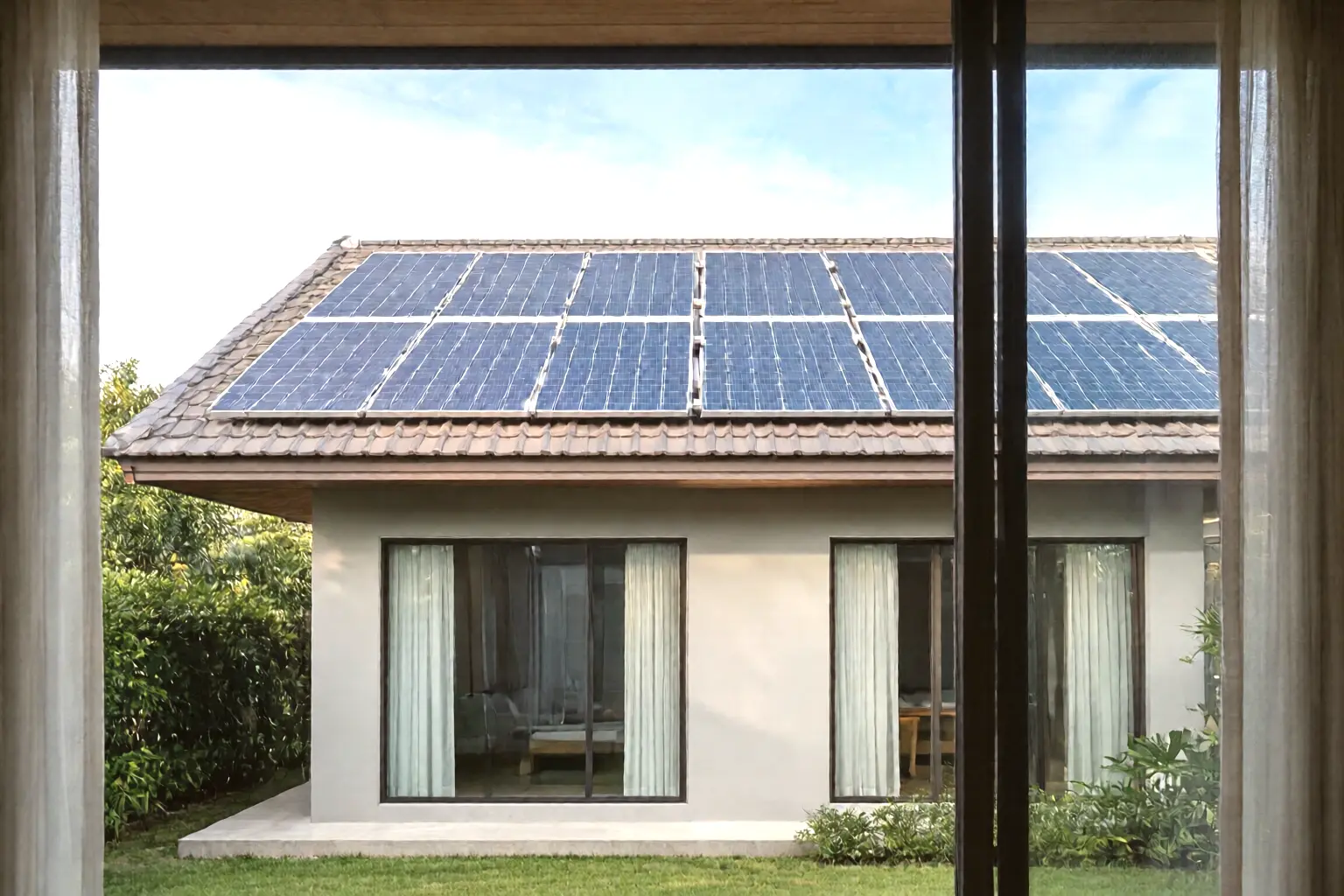
The register covers two things, not just the installer
Registration covers both the installation service providers, the vendors, and the manufacturers or distributors of solar equipment, so that quality is governed end to end: the company, its people, the equipment, the design and installation, and the connection to the grid.
On the vendor side, applicants are assessed on their management team, project manager, engineers and installation technicians, financial standing, experience and track record over the past three years, and their credibility and capacity to deliver service.
On the equipment side the register covers solar panels, inverters and batteries, with inverters and grid-connection equipment required to pass the utilities' testing criteria before anything is connected to the network.
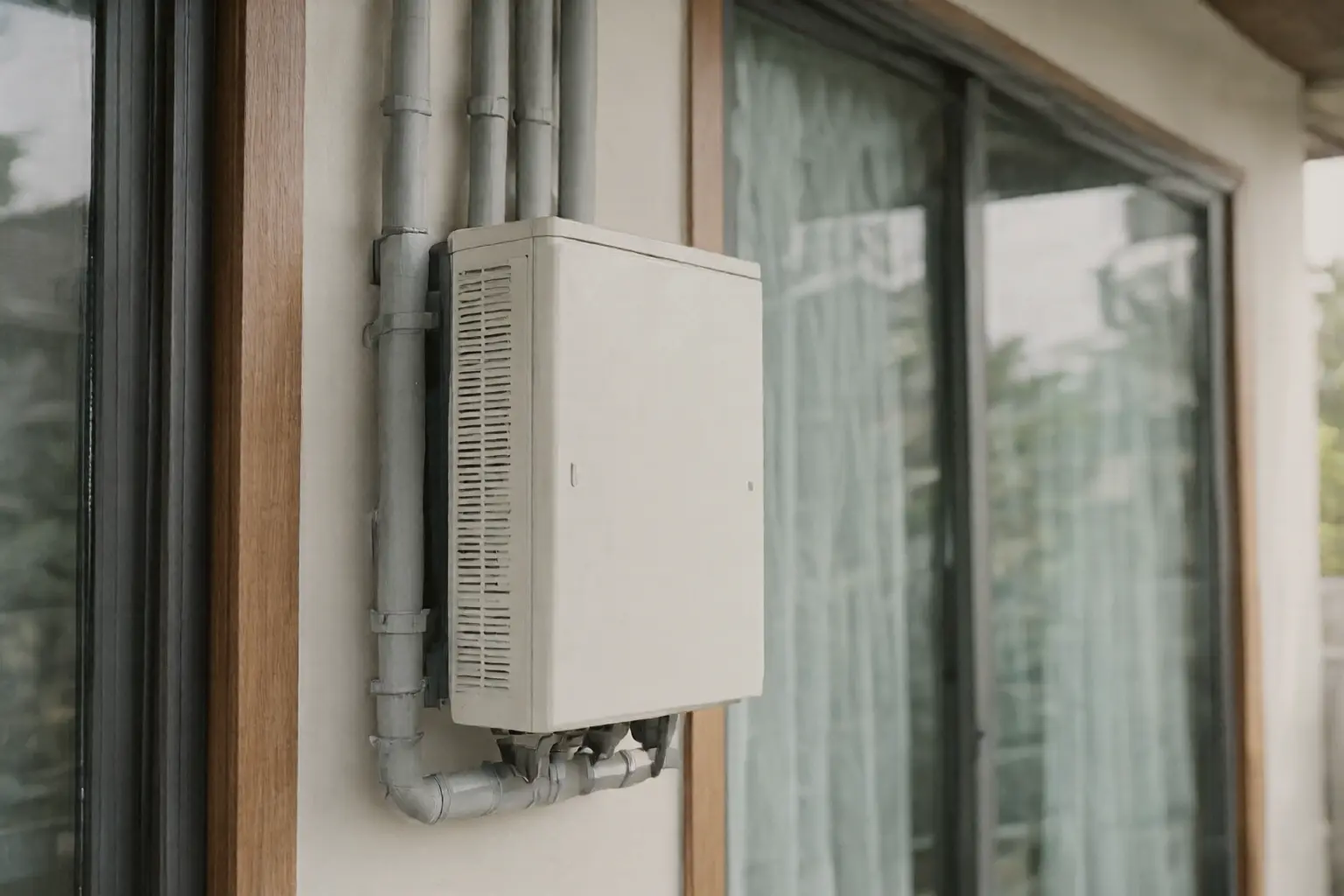
One technical condition is worth knowing as a homeowner: the system must disconnect automatically when the grid goes down, so that line crews working on an outage are not exposed to power flowing back from your roof, and the power it produces must meet quality standards without affecting neighbouring users.
The equipment standards the government named are international ones such as IEC, together with the Thai Industrial Standard, known as TIS or มอก.
The bigger story is a subsidy aimed at 500,000 households
On 5 August 2026 the Deputy Government Spokesperson said the government is preparing a measure to support the cost of installing rooftop solar, under the Emergency Decree authorising the Ministry of Finance to borrow to address the energy crisis and to create the country's energy transition, B.E. 2569.
The stated first-phase target is 500,000 households, to cut electricity bills and to promote clean energy in practice.
The order of the two announcements explains the timing. The installer register opens first, because if subsidy money reached the market before there was a list of vetted installers, that money would flow to companies nobody could check.
What the news does not yet contain is the detail of the subsidy: the amount per household, who qualifies, and when applications open. The government's word is that it is being prepared, which means no purchase decision should be made today on an assumption about how much comes back.
What a homeowner should do in the meantime
First, do not sign a long contract or hand over a large deposit before 15 October 2026, because that is when the approved list starts to appear and it changes a buyer's position entirely.
Second, ask the installer you are already talking to, directly, whether they have applied to register with the electricity authority and whether the equipment they quoted is on the list they submitted. An answer that dodges the question is itself an answer.
Third, check that the quotation names the model of the panels, the inverter and any battery, with the standards each is certified to, rather than only a system size in kilowatts and a total price.
Fourth, in the MEA service area you can use the MEA Solar One Stop Service, which runs from consultation and suitability assessment through survey, design and installation, application through the MyEnergy system, status tracking, grid connection and the sale of surplus electricity, with expert advice available at all 18 MEA district offices.
The numbers that have not changed
The personal income tax deduction for rooftop solar under Royal Decree No. 805 (2026) is a separate matter from the subsidy being prepared and still applies on its own terms. The detail and the payback arithmetic are in our article on rooftop solar and the tax deduction.
On the tariff side, the figure to compare a system's return against is the average charge of THB 3.95 per unit excluding VAT for September to December 2026, under the Energy Regulatory Commission's resolution of 22 July 2026.
And if your home already has a smart meter, the time-of-day consumption in the app is what lets you size a system on evidence rather than guessing from a monthly bill. Meters and tariffs are covered in our article on smart meters and electricity rates.
As for building permits, rooftop installation has its own ministerial regulation setting the conditions, which is a different track from ordinary extension work described in our article on whether a home extension needs a permit, so ask the installer to confirm in writing that they will handle that part in full.
What it means for the house's value and resale
A home whose system was installed by a company on the utilities' register comes with a document set a resale buyer can check: equipment models, standard certifications, and a connection that passed testing. A cheap system from an installer who has since disappeared cannot offer that.
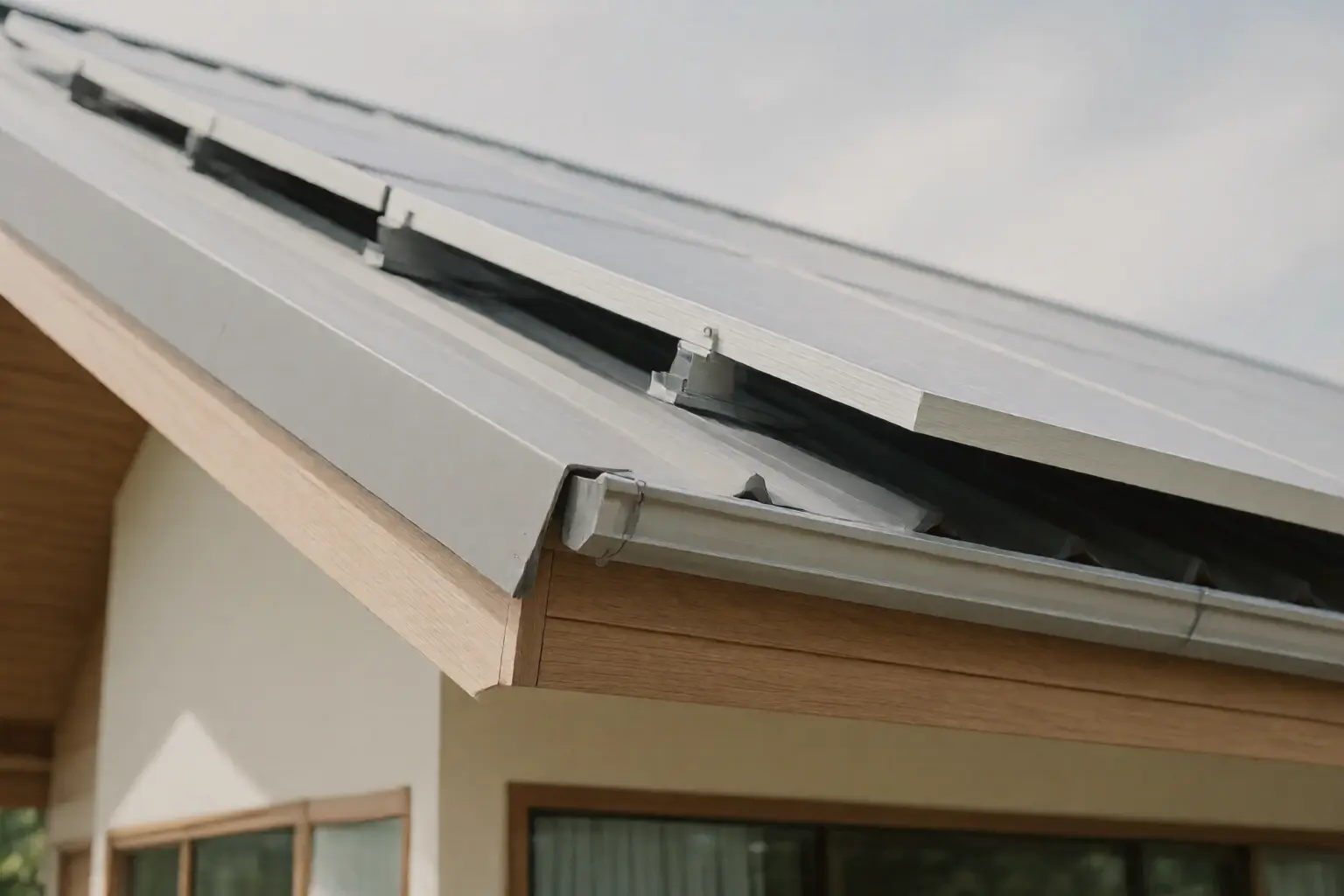
The reverse is also true. A system installed badly is a liability, because the buyer prices in the cost of removing it and repairing the roof.
For an owner planning to sell in the next two or three years, keeping the installation documents, the equipment warranties and the proof of connection with the electricity authority is part of preparing to sell. The full process is on the house selling service page.
Frequently asked questions
When did the government open the solar installer register?
MEA and PEA opened registration for companies and equipment from 1 August to 30 September 2026, with the launch announced at a press conference on 3 August 2026.
How will I know which installers passed?
The names of approved applicants start being published from 15 October 2026 on the MEA and PEA websites and public channels.
What does the register cover?
Both installation service providers and the manufacturers or distributors of equipment, covering solar panels, inverters and batteries, with equipment required to meet international standards such as IEC and the Thai Industrial Standard.
What qualifications must an installer have?
Assessment covers the management team, project manager, engineers and installation technicians, financial standing, experience and track record over the past three years, and credibility and service capacity.
Is the government really going to help with the cost?
On 5 August 2026 the government said a support measure is being prepared under the 2026 energy borrowing decree, with a first-phase target of 500,000 households, but no amount per household or eligibility rules have been announced.
Should I wait for the list before installing?
If you are not in a hurry, waiting until 15 October 2026 lets you choose from vetted names and costs you nothing, because the subsidy detail has not been announced either.
Must a solar system cut out during a blackout?
Yes. Registered equipment must disconnect supply automatically when the grid fails, to protect the crews working on the lines at that moment.
Where do I apply in Bangkok?
Through the MEA Solar One Stop Service, from consultation to grid connection and the sale of surplus power, with applications filed through the MyEnergy system or advice at any of the 18 MEA district offices. MEA Call Center is 1130, and outside the capital PEA Contact Center is 1129.
Summary
- MEA and PEA are registering rooftop solar installers and equipment between 1 August and 30 September 2026.
- Documents are checked from 1 September to 30 October 2026, and approved names are published from 15 October 2026.
- The register covers installers and equipment alike, meaning panels, inverters and batteries, against IEC and Thai Industrial Standards.
- Inverters must pass the utilities' testing and must disconnect automatically when the grid goes down.
- A subsidy for installation costs is being prepared with a first-phase target of 500,000 households, but the amount and conditions are not announced.
- Homeowners who are not in a hurry should wait for the 15 October list before signing a contract or paying a large deposit.