
Sags and surges destroy different things
The two get talked about together until people assume one surge-protected power strip covers everything. They are separate problems, they damage different equipment, and different devices protect against them.
A surge is voltage spiking briefly, usually from lightning reaching the distribution network or a large load in the area disconnecting suddenly. What it destroys is electronics, because the circuits inside run at low voltage and tolerate overvoltage poorly.
A sag is voltage dropping below normal and staying there for a while, common in the early evening when every house switches on the air conditioning. What it destroys is motors, not electronics.
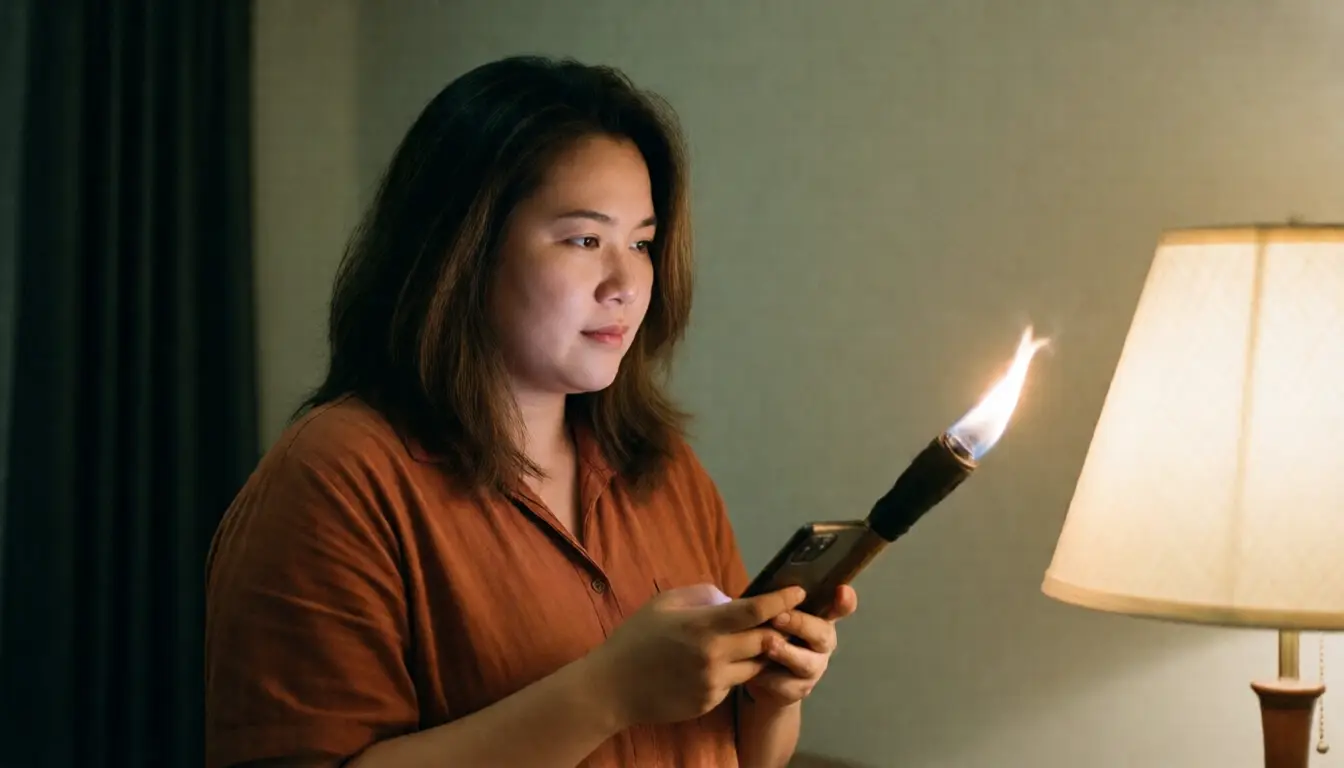
Why a sag kills air conditioners and refrigerators
A motor needs a certain amount of power to turn whatever it is driving. When the voltage falls, it draws more current to maintain that power. More current means hotter windings, and if that repeats every evening for months, the winding insulation degrades until it burns out.
The signs are an air conditioner compressor trying to start and stopping, trying and stopping, in the early evening; a refrigerator making an unusual groan and then going quiet; a water pump that is unusually hot to the touch.
What makes this expensive is that the damage does not happen in one day. It accumulates, which means by the time you see the symptom, most of the harm is already done, and the owner blames the appliance for being poorly made when the problem was the voltage in the house.
What each device actually protects
A surge-protected power strip, a few hundred to a few thousand baht, protects only what is plugged into it and only against smaller surges. Good for a computer and a television. The limitation is that it has a life: the protective component inside degrades with every surge absorbed, and a strip five years old may no longer be protecting anything although the light is still on. Choose one with an indicator for protection status, not merely one showing that power is present.
A surge protection device in the consumer unit, fitted by an electrician, protects the whole house from surges arriving on the incoming supply. Far broader than a power strip, because hard-wired equipment like air conditioners and water heaters is covered too. Worth having if you are in an area with frequent lightning.
A voltage stabiliser addresses sags directly, holding the output within a range appliances can handle even while the input swings. Suited to houses where the voltage drops regularly, and it should be sized for the load you want to protect rather than automatically for the whole house.
An uninterruptible power supply keeps things running when the power fails, and better models also regulate voltage while supply is present. Right for computers, routers and anything where a sudden cut corrupts data. It is not designed to run an air conditioner or a pump.
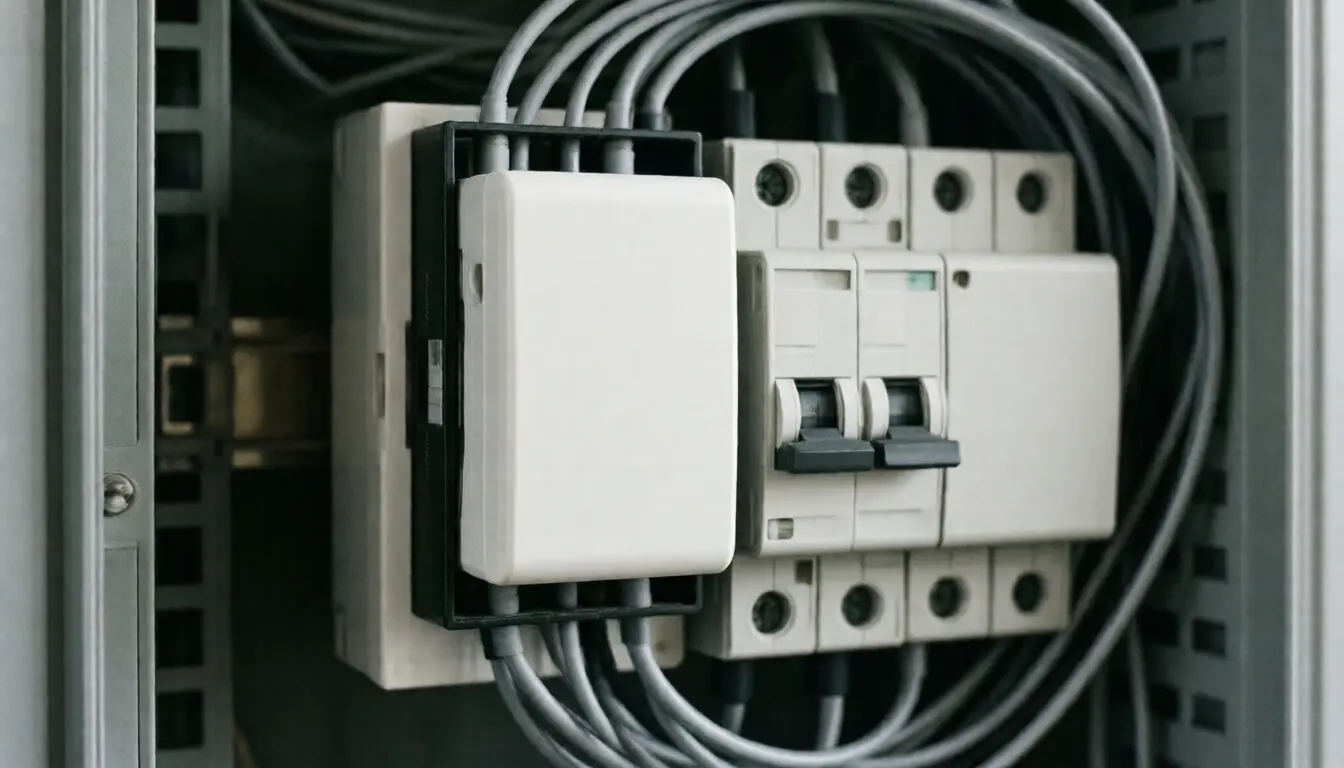
The way in that people forget
People protect the power and forget lightning has other routes into the house, particularly a television aerial, an internet cable run from outside, and older telephone wiring.
A great deal of lightning damage arrives on signal cables rather than through the socket, and the result is a dead router, set-top box or television despite everything being plugged into a good surge strip.
The simplest response is to unplug the signal cables too when a storm is coming, and in the longer term to have an electrician earth the point where external cables enter the building, which is a small job few people have done.
Signs your house has a voltage problem
- Lights dip noticeably every time the air conditioner compressor or the pump starts.
- The lights across the house brighten and dim in a rhythm during the early evening with nothing inside changing.
- Electronics restart on their own occasionally for no apparent reason.
- Bulbs fail far more often than they should, particularly in the same fittings.
- The compressor attempts several starts in a row during the evening.
With two or more of these, ask your local electricity authority to check the voltage at the meter first, because if the problem lies in the supply then it is theirs to fix rather than something for you to buy equipment to compensate for. Buying a stabiliser to work around a fault outside is paying money to tolerate something you should not have to.
If it only happens when several things run together inside the house, the issue is the size of your own installation, which continues in does a Thai house need three phase power.
Frequently asked questions
Is one surge-protected strip enough?
Only for what is plugged into it, and only for smaller surges. Hard-wired equipment such as air conditioners and water heaters is not covered, and the strip itself has a life, so choose one with a protection status indicator.
Can a voltage sag really destroy an air conditioner?
Yes. The motor draws more current to hold its power when voltage falls, the windings run hotter, and the damage accumulates until they fail. The usual sign is a compressor starting and stopping repeatedly in the evening.
Can I run an air conditioner from a UPS?
No. Household units are designed for computers, routers and equipment where a sudden cut corrupts data, not for large motors.
Lightning killed my router even though it was on a surge strip. Why?
Because the current came in on the signal cable rather than the socket. Unplug signal cables before a storm, and have an electrician earth the point where external cables enter the building.
In short
- Surges destroy electronics, sags destroy motors. Different problems, different protection.
- Sags damage air conditioners, refrigerators and pumps cumulatively, so the symptom appears after the harm.
- Surge strips wear out. Choose one that indicates protection status.
- A device in the consumer unit also covers hard-wired equipment, which a strip cannot.
- Lightning enters on aerial and internet cables, not only through sockets.
- With several symptoms, have the supply voltage checked before buying anything.