
Surge protection has three layers, and most houses have only the weakest one
The layer people buy most is the surge protected extension strip, which sits furthest downstream and absorbs the least energy.
The layer that does the heavy work sits in the consumer unit, and plenty of houses have none at all.
And the layer holding everything else up is the earthing system, without which neither of the other two works at all.
That is why a house with three surge strips still loses equipment every time it rains.
Because these devices work by diverting the excess energy to earth.
If there is no real earth at the far end, there is nowhere to divert it to.
First, work out what is actually killing the equipment
Things break when it rains has several possible causes, and each is fixed differently.
A direct lightning strike, the rarest and the most violent, and not something domestic protection is designed to absorb in full.
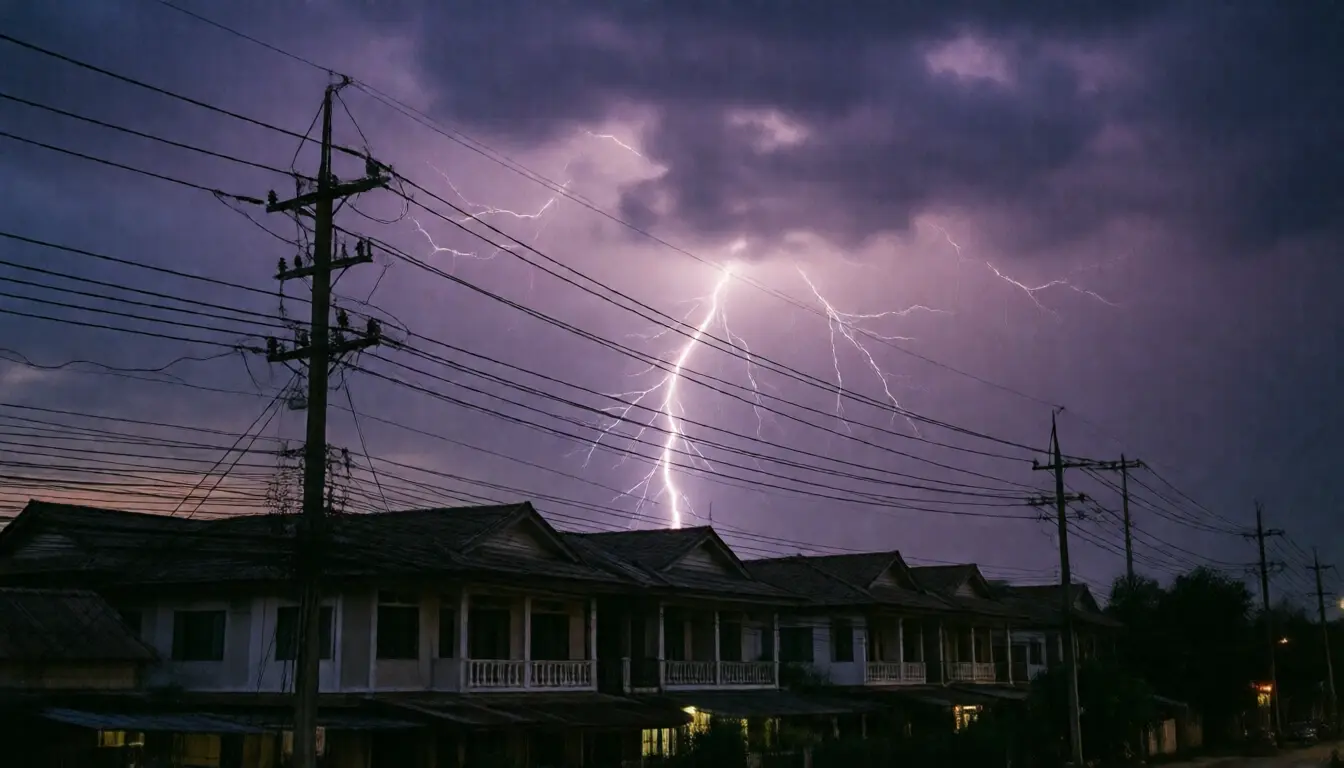
Overvoltage induced along the wiring, which is far more common. A strike several hundred metres away can push a high voltage transient along power lines, telephone lines or an aerial cable.
This is the leading cause of electronics dying after a storm.
The surge when power comes back, after the utility's protection has operated and reclosed. The voltage swings around during that moment, and whatever is still plugged in takes it.
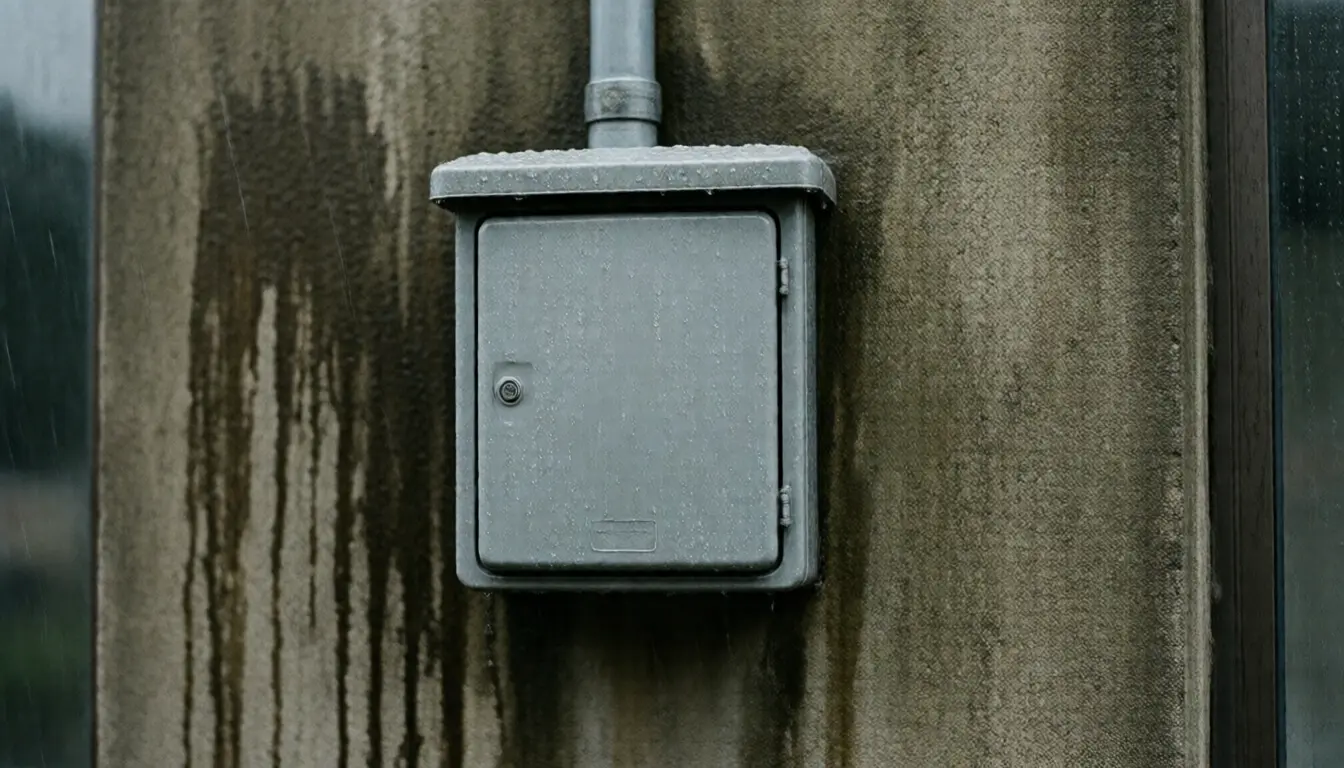
Water and damp, which is not a surge at all, but water finding its way into an outdoor junction box, into the air conditioner's outdoor unit, or into a balcony socket.
Earth leakage that only appears when things are wet, which shows up as the RCD tripping in the rain rather than as anything breaking.
The quick way to tell them apart is to look at where the damage is.
Damage scattered across the house at once usually means overvoltage on the wiring.
Damage that recurs at the same single spot every time points to water first.

Layer zero: the earth, which is not protection but the ground the rest stands on
Every surge protective device works the same way. When the voltage exceeds a set threshold, it opens a path for the excess energy to flow to earth instead of into your equipment.
The operative words are to earth.
If the house has no earth electrode, or has one that is not properly connected, a surge protector becomes a plastic box with a green light on it.
The most common misunderstanding is that a three pin socket means there is an earth, which it does not, as set out in why a three pin socket does not mean you have an earth.
So if you are going to spend on this, check the earth before buying anything at all.
The first money should go on an electrician confirming that the earth electrode exists, that it is genuinely connected, and that the resistance is within range.
Layer one: at the consumer unit, the layer most houses are missing
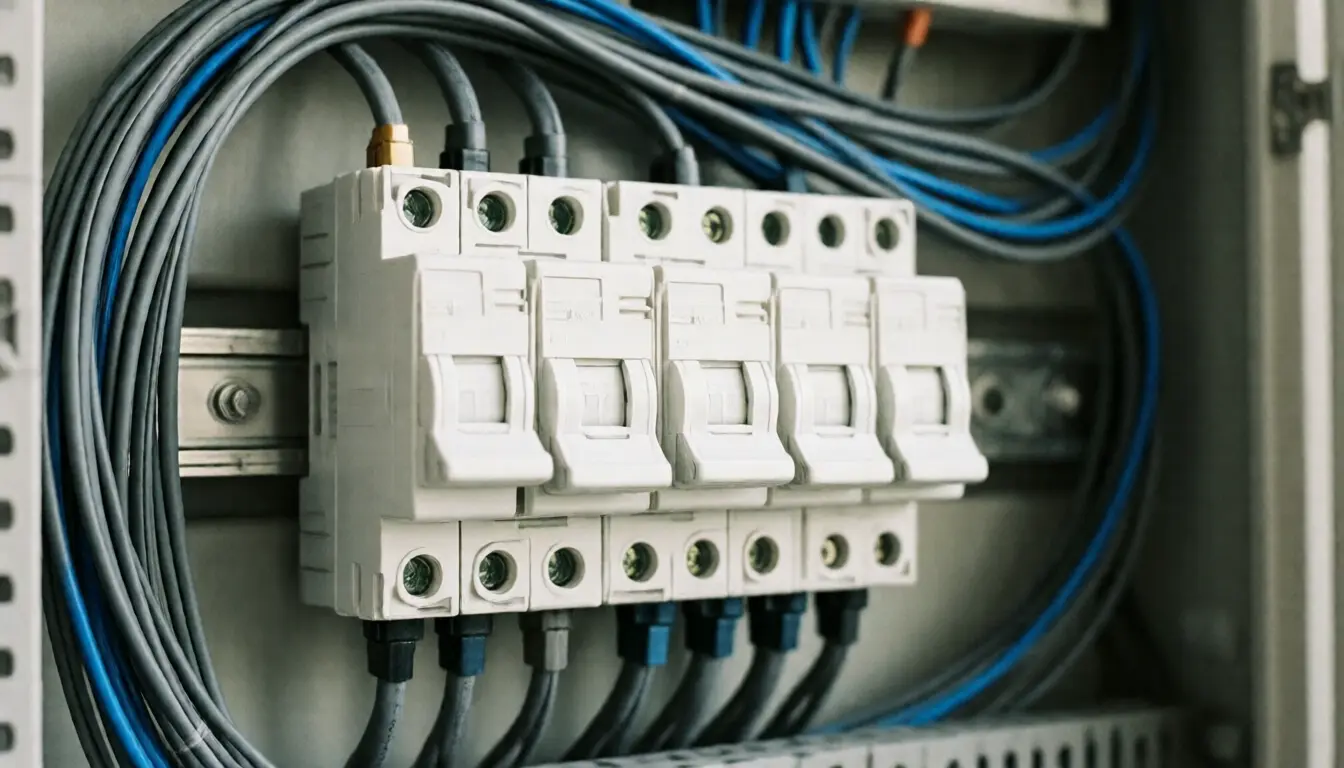
The device doing this job is a surge protective device, installed in the consumer unit or close to where the supply enters the house.
It clips the large voltage peak before it spreads out into every final circuit in the building.
By standard, these devices come in three types.
- Type 1 is designed to take part of a direct lightning current, for buildings with a lightning protection system.
- Type 2 is designed for overvoltage induced along the incoming lines, which is what an ordinary house meets most often.
- Type 3 is installed close to the equipment and catches what slipped past the first two.
For an ordinary house with no lightning protection system, a Type 2 in the consumer unit is the single best value component.
Installation belongs to an electrician, because it means opening the consumer unit, choosing the breaker that protects it, and running the earth connection as short as possible.
The length of that earth conductor genuinely matters. A long looping run adds voltage drop and reduces the effect.
This is work that is done once and lasts, and that looks correct from the outside even when it is wrong.
Layer two: at the point of use, and the limits the seller rarely mentions
Surge protected strips are genuinely useful, with three conditions attached.
First, they need an earth to work. A surge strip plugged into a socket with no earth is an expensive ordinary extension lead.
Second, they have a life. The components that absorb the energy degrade every time they operate, and the degradation accumulates.
Better models have a status light telling you whether the protection is still intact, which is a different light from the one telling you there is power.
Most people never read the manual and so never learn that the two lights mean different things.
Third, they only protect the path they cover. A strip covering the mains does nothing about a transient arriving down the television aerial or a network cable.
That third point is why televisions die despite being plugged into a surge strip.
The entry paths that are not power cables, and are forgotten most often
Overvoltage does not only arrive through a socket. It arrives along anything metallic and long.
- Television aerials and satellite dishes, the classic route, because the cable is long and the far end sits on the roof.
- Copper telephone and internet lines, still in use in plenty of areas.
- Network cables running between buildings, from the house to a garage or to a camera on a post at the gate.
- Cables out to a water pump or garden lighting, which are long and outdoors.
Optical fibre does not conduct, but the terminal at the end of it runs on mains, so it is still damaged from the power side.
The right way to think about it is that any device with two cables entering it needs both of them protected.
A television with both a mains lead and an aerial still dies when only the mains is protected, because the energy enters one way and leaves the other, passing through the board in between.
What works one hundred per cent of the time and costs nothing
Unplugging it.
It sounds unsophisticated, and nothing on the market protects as well as having no connection at all.
This genuinely works for anything that does not need to stay on: televisions, desktop computers, audio equipment, the washing machine.
It does not work for the refrigerator, the router or the security cameras, which is precisely why protective devices still have a job.
One caution: unplug every path. The aerial comes out too, not just the mains lead.
The order to spend in, on a limited budget
Ranked by what each baht buys.
One, check and correct the earthing, because without this layer everything spent on the others is wasted.
Two, fit a surge protective device at the consumer unit, with an electrician selecting type and rating for your supply.
Three, protect the non-power entry paths, particularly aerials, satellite feeds and network cables running between buildings.
Four, surge strips where the expensive things are: the main television, the computer, the audio system.
Five, build the habit of unplugging when the house will be empty for days in the wet season, which is free and works best of all.
Notice that what most people buy first is item four, which sits near the bottom of the list.
What to know about insurance before anything happens
A standard residential fire policy usually includes lightning within its basic cover.
But lightning and power surge are not the same word, and the wording differs from policy to policy.
So the thing to do is open the policy and read the exclusions now, not after something has broken.
What is covered and the conditions people overlook are set out in what home fire insurance actually covers.
And if it does happen, photograph the damaged items where they stand before moving anything, and keep receipts or proof of purchase.
The technician who inspects the repair can issue a statement of cause, which carries more weight than a description.
If the same thing fails every time, stop blaming lightning
Equipment killed by overvoltage on the wiring tends to fail in a scatter rather than at one repeating point.
If the balcony socket burns every wet season, or the same air conditioner fails every year, look for a cause other than the sky.
- Water entering an outdoor socket or junction box, fixed with a weatherproof cover and by running the cable so it has a low point before it reaches the box.
- An outdoor air conditioning unit sited where rain drives straight onto it, or where roof water pours down on it.
- Conduit acting as a water channel, carrying water along it into the junction box at the far end.
- Insulation degraded where the cable sits in full sun, which then leaks once it is damp.
The sign that says water rather than lightning is the RCD tripping in the rain while nothing has broken yet, which is an early warning.
Tracing which circuit is responsible is covered in finding out why the breaker keeps tripping.
Frequently asked questions
Is a surge strip enough on its own?
No. It is the downstream layer with the least absorption capacity, and it does nothing at all if the socket has no real earth. The device at the consumer unit does far more.
Why did the television die despite a surge strip?
Because the transient can arrive along the aerial or satellite feed. Anything with two cables entering it needs both protected, not only the mains.
Can I fit surge protection without an earth?
You can fit it, but it will not work, because these devices divert excess energy to earth. With no path to earth there is nowhere to divert it, so the earthing has to be corrected first.
Do surge protective devices wear out?
Yes. The absorbing components degrade a little every time they operate. Better units have a status window showing whether protection is still intact, worth looking at once a year.
Does unplugging in a storm really help?
It is the most effective thing available, because nothing protects as well as having no connection. But unplug every path, including the aerial, not just the mains lead.
Will home insurance pay for lightning damage?
A standard residential fire policy usually includes lightning, but the wording and exclusions differ between policies, so read the exclusions in your own policy before anything happens.
In short
- Surge protection has three layers, and the one people buy most is the weakest.
- The earth is not a layer of protection, it is what every layer stands on. Without it the money is wasted.
- A device at the consumer unit is the best value component for an ordinary house.
- Surge strips have a life, and a status light nobody ever looks at.
- Transients arrive along aerials, network cables and telephone lines, not only through sockets.
- Anything with two cables entering it needs both paths protected.
- Unplugging works every time and costs nothing.
- Failure at the same point every time is usually water and damp, not lightning.
- Read the policy exclusions before the event, not after the equipment dies.