
The answer first: a house built lawfully at the time does not become unlawful because a law arrived later
This is the principle that immediately puts a great many owners of older houses at ease.
The Building Control Act B.E. 2522 did not take effect across the whole country on a single day. It applies in each area according to when that area was declared a building control zone.
So the right question is not what year the house was built. It is whether it was built before or after that area was declared.
And a building lawfully erected before that point is not retrospectively made unlawful.
But three things still apply to older houses, and that is where people misunderstand.
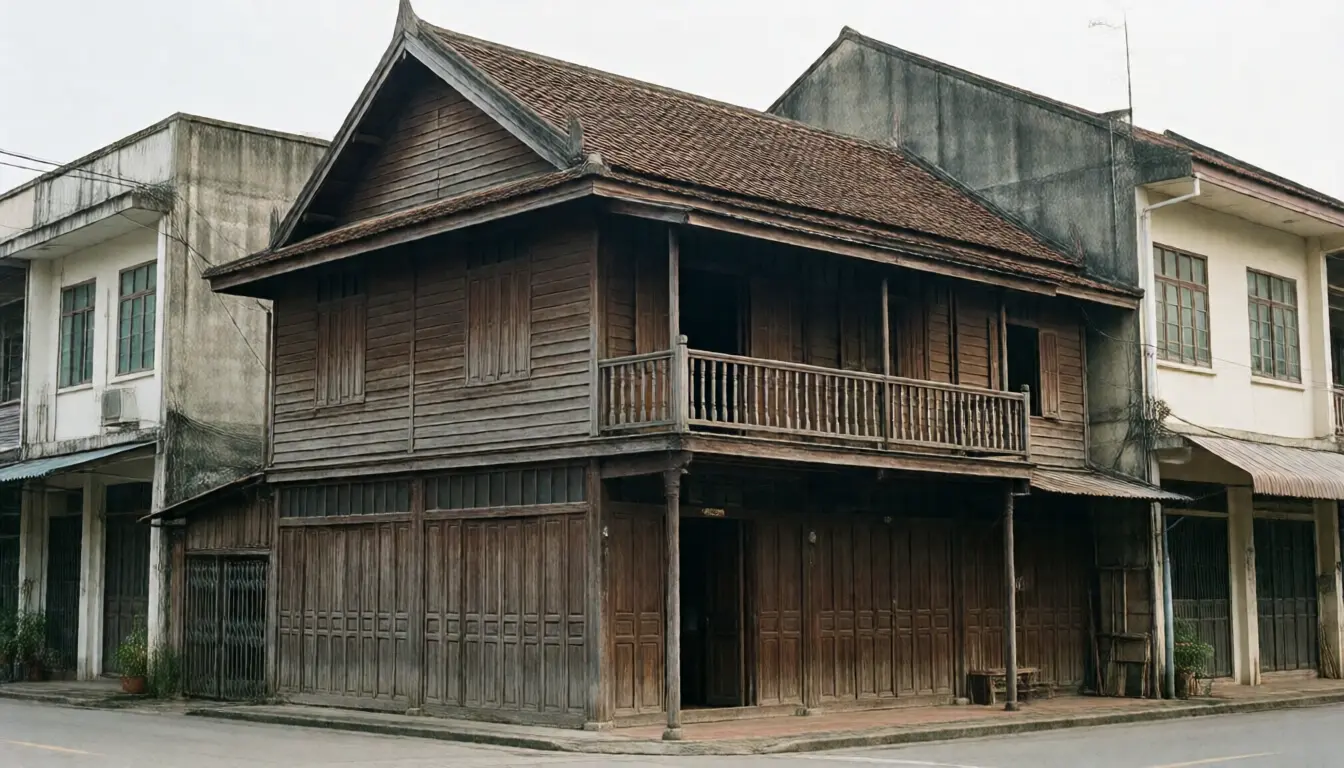
Three things that still apply
One, any new alteration or extension.
Whatever is built now must comply with the law as it stands now, not the law of the era the house was built in.
This is where people go wrong most, assuming an older house is exempt in its entirety and extending without permission.
The reality is that the original building is protected. The new extension is not.
Two, a building in a dangerous condition.
The law empowers the local official to deal with buildings that are unsafe, which is a matter of public safety rather than of what year it went up.
Three, a change of use.
A house that becomes a business is a change in the category of use, which carries its own requirements.
Why this matters at sale
An older house that complied with the law of its era can still be sold and transferred normally.
What complicates matters is the parts added later with no paperwork, which is nearly universal in houses that have been lived in for decades.
What a buyer should do:
- Ask which parts are original and which were added, which is usually visible in the render colour, the roofline and floor levels that do not run through.
- Ask for whatever documents exist, both the original permit and any alteration permits.
- Ask the local authority when the area was declared a building control zone, which tells you whether the house predates it.
- Have an inspector look at the structure of the additions, because self-built parts are often not designed to carry real loads.
Departures from approved drawings are covered in built differently from the approved plans.
Frequently asked questions
Is an old house without a building permit unlawful?
If it was lawfully built before that area was declared a building control zone, it is not retrospectively unlawful. The question to answer is when that area was declared.
Did the Building Control Act apply everywhere at once?
No. It applies in each area from when that area was declared a building control zone, which is why the local authority has to be asked area by area.
Is an old house exempt in its entirety?
No. The original building is protected, but anything newly added must comply with current law.
Does extending an old house need permission?
Yes, because the new work falls under current law rather than the law of the era the house was built in.
Can officials act over a badly deteriorated old house?
Yes, because the law allows action over buildings in a potentially dangerous condition, which is about safety rather than the year of construction.
Can I turn a house into a shop?
Not automatically, because it is a change in the category of use, which carries its own requirements and also needs the zoning checked.
Can an old house be sold without a permit?
It can, but buyers and banks ask for documents, particularly for later additions, so prepare explanations and whatever paperwork exists in advance.
How do I find out when the area was declared?
Ask the municipality or subdistrict administrative organisation, which can answer it and which is the starting point for every question in this article.
What should I do before buying an old house?
Separate original from added, ask for whatever documents exist, ask the local authority about the declaration date, and have an inspector look particularly at the structure of the additions.
In short
- A building lawfully erected before its area was declared is not retrospectively unlawful.
- The law did not take effect everywhere at once, so ask locally, area by area.
- The original building is protected. New additions are not.
- A building in a dangerous condition can be dealt with whatever its age.
- Turning a house into a business is a change of use with its own requirements.
- At sale, the problem is usually the additions rather than the original house.