
NPA versus a Legal Execution Department auction
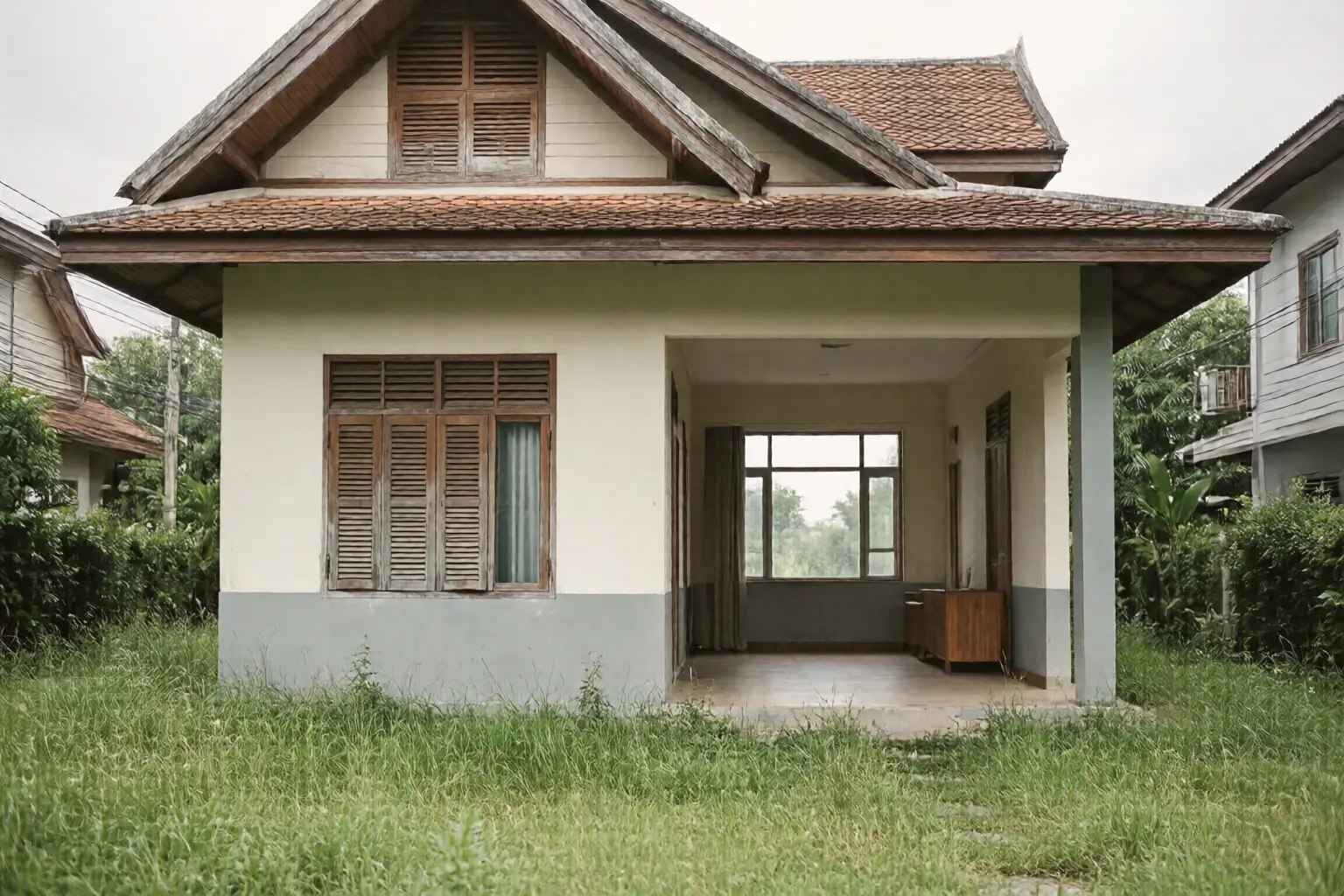
An NPA is a property the bank has repossessed from a borrower who could not repay, and which the bank then sells itself. An auction property has been seized through the courts and is put up for public bidding by the Legal Execution Department. They are two stages of the same story, bought in completely different ways.
| Item | Bank NPA | Legal Execution Department auction |
|---|---|---|
| Seller | The bank that holds the asset | The Legal Execution Department, under a judgment |
| How you buy | Make an offer and negotiate with the bank | Bid against other participants |
| Financing | Apply directly to the bank that owns it | Arrange your own, within a fixed deadline |
| Price | Listed, with some room to negotiate | Unknown until the hammer falls |
| Speed | Slower, but predictable | Fast on the day, with a hard payment deadline |
| Condition | Sold as-is at that moment | Sold in its actual used condition |
As AP Thai explains, execution proceedings begin only when a debtor fails to comply with a court judgment, so the same property may travel both routes at different times.
Why the price is lower, and how much lower it really is
The discount is not generosity. It is compensation for what the buyer takes on: uncertainty about condition, about occupants, and about when possession is actually obtained.
The correct arithmetic is the discount, less an unknown repair budget, less the cost of eviction if anyone is living there, less the months the property earns nothing. If what remains is still positive, the deal is interesting.
Almost nobody who loses money on these properties loses it by paying too much. They lose it by underestimating those three items.
Buying an NPA from a bank
The clearest advantage of an NPA is financing. The buyer can apply directly to the bank that owns the property, which is faster and more convenient, tends to be approved more readily, and often carries a lower interest rate.
That is not charity. The bank wants the asset off its books and already knows that collateral better than anyone.
The constraint is that the process is fairly rigid. The bank sells strictly as-is at that moment. What a prospective buyer can do is photograph the damage extensively and use it to negotiate, which usually yields a modest further discount rather than any repair by the bank.
The workable sequence: browse the bank's asset listings, arrange a site visit, photograph everything, submit an offer with your reasoning attached, then apply for the loan at the same bank.
Bidding at auction: the steps and the numbers
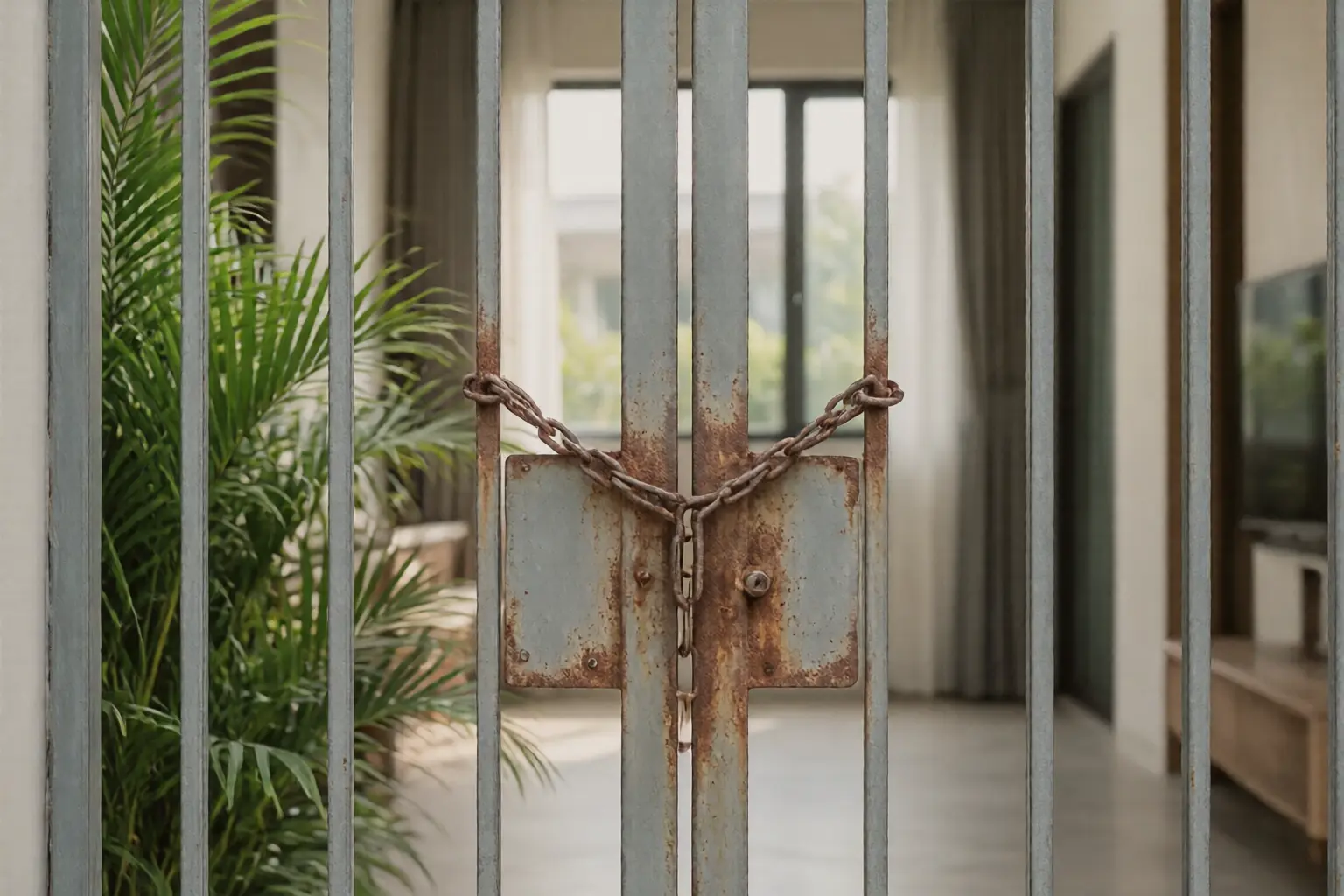
This route is faster and can be considerably cheaper, but the deadlines do not flex.
- Place a bid deposit before bidding, generally 5 to 10% of the appraised value.
- Bid competitively. The highest bidder wins.
- Sign the sale agreement immediately on winning. The deposit becomes the first instalment of the price.
- Pay the balance within 15 days.
- An extension is available where warranted, up to a maximum of 90 days, with good reason or documentary confirmation from a bank that a loan application is pending.
- Once paid in full, officials hand over the documents needed to transfer title at the Land Office.
The 15-day figure is what catches most people, because ordinary mortgage approval takes longer than that. Walking into an auction without an approved facility in hand is a serious risk.
The safer route is to obtain pre-approval before auction day and use that documentation to support an extension request if needed. See our mortgage pre-approval checklist.
The risks that turn a bargain into an expensive mistake
The previous occupants will not leave
This is the number one risk, and the most expensive, because it is measured in time rather than money.
A buyer who has to go through legal proceedings to evict the previous occupants may spend roughly one and a half to three years doing so. Throughout that period the property earns nothing while interest accrues every month.
What to do before bidding is visit in person and look for signs of occupation. Washing lines, a spinning meter, a parked car and bins put out are more reliable indicators than anything you are told.
You cannot see inside
A great many of these properties cannot be inspected internally, so the decision is made from the outside and from documents.
What can be assessed from outside happens to be the most expensive category to fix: structure and services. Walk the perimeter and look for cracks in columns and beams, water staining on walls, and settlement in the ground around the house. How to read cracks is covered in which cracks mean danger.
Unpaid common area fees
For a condominium unit, common fees left unpaid by the previous owner are a figure that can appear late.
For property acquired at auction, auction guidance states that under current law the buyer is not responsible for common area debts outstanding before the transfer.
Check with the juristic person directly all the same, because the debt-free certificate is required on transfer day, and the Land Office counter is the most expensive place to learn about this for the first time.
Sold as-is, with no warranty
Both NPAs and auction properties are sold as-is with nothing warranted by anyone. Electrical systems, plumbing, roofing and missing air conditioners are entirely the buyer's problem.
The repair budget for a house left empty for years is not a small number, and it should be set aside before bidding, not discovered afterwards.
Which route suits whom
NPAs suit owner-occupiers who want a below-market price but still need a predictable process, and who want to borrow from the bank that owns the asset.
Auctions suit cash-ready buyers who can carry the occupancy risk and have time to inspect several properties before committing.
First-time buyers with limited cash should start with NPAs, because the auction's 15-day deadline does not fit the approval rhythm of someone who has never borrowed before.
Foreign buyers should note an additional check on condominium units: the building's 49% foreign ownership quota must still have room, regardless of how the unit is being sold. Verify that with the juristic person before bidding, not afterwards.
Checklist before you bid or make an offer
- Visit the site at least twice, at different times of day, to establish whether anyone lives there.
- Photograph every elevation, including cracks, water staining and roof condition.
- Search the title at the Land Office for other registered rights or encumbrances.
- For a condominium, call the juristic person about arrears and the terms for issuing a debt-free certificate.
- Obtain loan pre-approval before auction day and keep the paperwork for an extension request.
- Set a repair budget in advance and deduct it from your maximum price, rather than hoping you will not need it.
- Fix your ceiling before entering the room, and do not move it because of the atmosphere in the room.
Frequently asked questions
What is the difference between an NPA and an auction property
An NPA is repossessed by a bank and sold by that bank, bought by making an offer and negotiating. An auction property is seized through the courts and offered by the Legal Execution Department, where you bid against other participants.
How large is the bid deposit at a Legal Execution Department auction
Generally 5 to 10% of the appraised value. On winning, that deposit becomes the first instalment of the purchase price.
How long do I have to pay the balance after winning
Within 15 days of signing, extendable up to a maximum of 90 days where there is good reason, such as documentary confirmation from a bank that a loan application is pending.
Where do I get financing for an NPA
Directly from the bank that owns the property, which is faster and more convenient, tends to be approved more readily, and often carries a lower rate, because the bank already knows that collateral.
What if someone is living in the property I won
Legal proceedings are required to evict, which can take roughly one and a half to three years, during which the property earns nothing. Visit the site several times before bidding to judge whether it is occupied.
Do I have to pay the previous owner's unpaid common fees
For property acquired at auction, auction guidance states that under current law the buyer is not responsible for common area debts outstanding before the transfer. Verify with the juristic person all the same, since the debt-free certificate is needed on transfer day.
Can I inspect the interior before buying
Usually not. Both NPAs and auction properties are sold as-is and internal access is often impossible, so assess from outside, focusing on structure, cracks in columns and beams, water staining and settlement around the building.
In short
An NPA is bought from a bank and financed by that same bank. An auction can be considerably cheaper but comes with a 15-day payment deadline and a deposit of 5 to 10% of appraised value.
The discount you can see is not profit. It is payment for three risks: the condition you cannot see, the occupants who may not leave, and the months the property earns nothing.
If the numbers still work after deducting all three, this is an excellent way into the market. If they do not, an ordinary resale purchase is safer and often cheaper all-in. See structure, risk and hidden costs in resale homes.
Browse inspected, ready-to-occupy listings at properties for sale, and model the instalment with our mortgage calculator.