
Has the Thai housing market recovered?
Not to the point of recovery. Transfer numbers have genuinely turned positive, but the Real Estate Information Center itself describes 2026 as the year the market passed its low point into a flat state, a year of structural rebalancing rather than of recovery.
The distinction matters to your decision, because what lifted the numbers is a government measure with an expiry date, not household buying power getting stronger.
The numbers that did rise
| Indicator | Figure |
|---|---|
| Transfers, Q1 2026 | 72,583 units, up 11.2 per cent year on year |
| Transfer value, Q1 2026 | 187,182 million baht, up 3.1 per cent |
| Transfers, first half of 2026 | Up 17.6 per cent |
| Full year 2026 forecast | 323,479 units, up 2.3 per cent, worth 880,760 million baht, up 1.8 per cent |
Look at the gap between the first two rows. Units rose 11.2 per cent while value rose only 3.1. More people are buying, and they are buying cheaper. That is a market sliding down the price bands, not a market heating up.
The numbers that did not rise
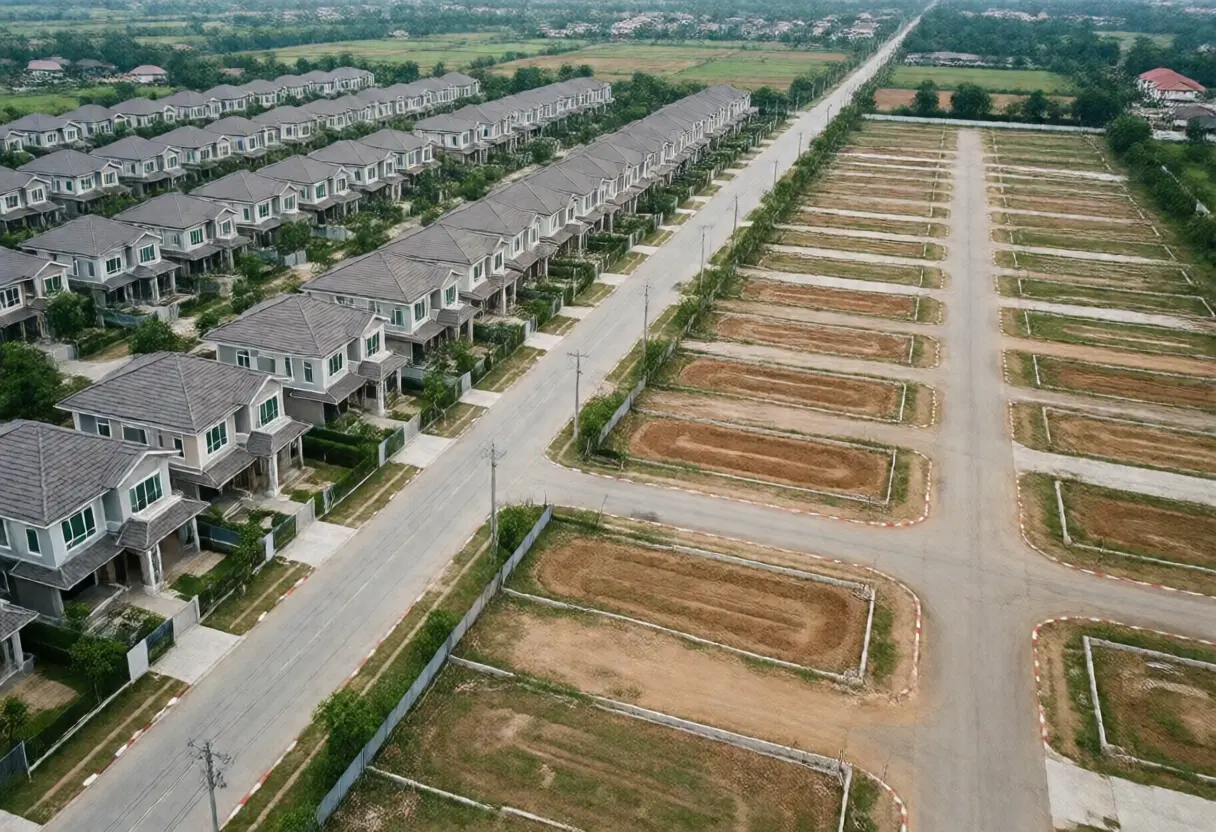
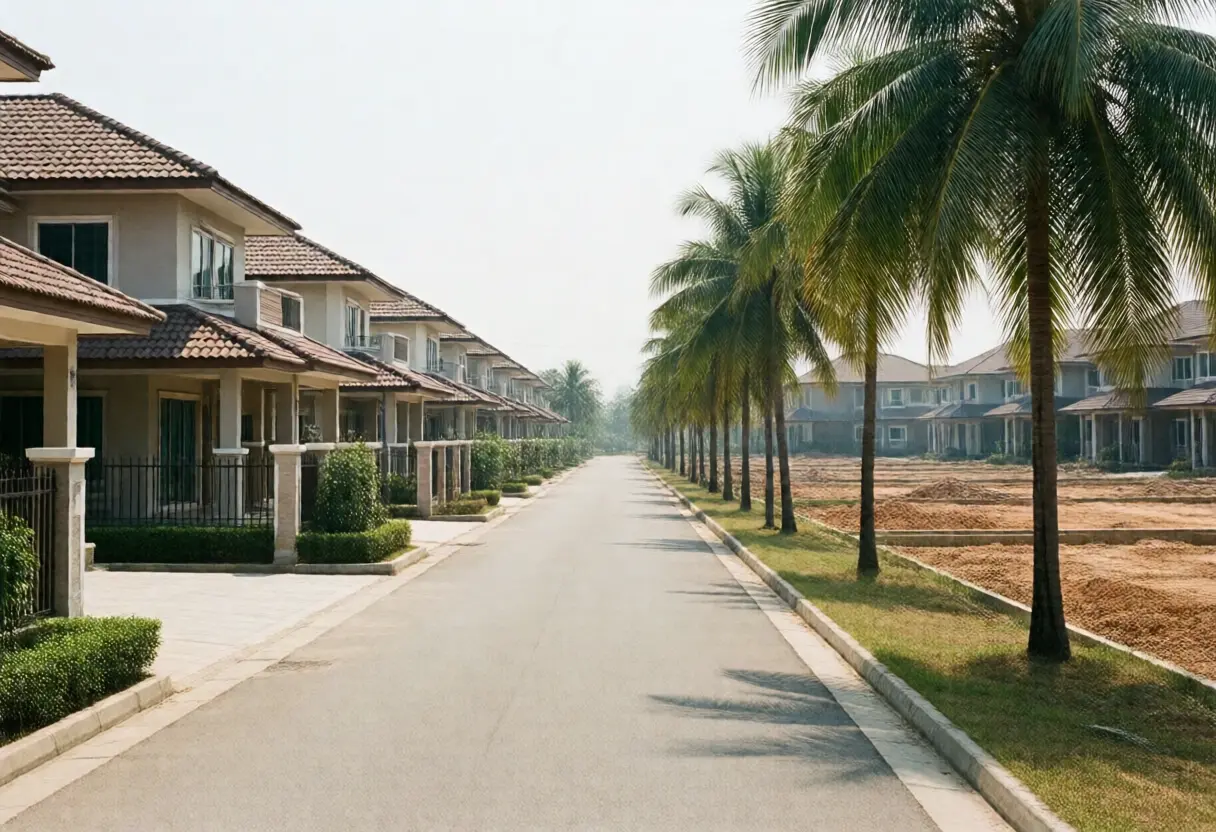
Supply is still slowing. Developers remain cautious about investment and about launching new projects, and new unit launches have fallen significantly nationwide.
There are two readings of that. Either developers do not believe demand has truly returned, or there is enough unsold stock already that building more makes no sense. Both readings give a buyer the same conclusion: bargaining power still sits with the buyer, particularly on completed stock.
Why the two sides disagree
Because what pushed transfers up was not rising household income. It was two measures, from the government and the Bank of Thailand: the cut in transfer and mortgage registration fees, and the relaxation of loan to value limits.
Measures like that do not create new buyers. They bring forward buyers who were going to transact anyway. So the numbers look better while the measure runs and softer afterwards, because the demand has already been spent.
Buy or wait, answered with a number and a date
This question has a clearer answer than most, because there is an expiry date attached.
The measure cutting the transfer fee from 2 per cent to 0.01 per cent and the mortgage registration fee from 1 per cent to 0.01 per cent runs to 30 June 2027. It covers homes priced up to 7 million baht, with the sale price, the appraised value and the loan amount all needing to be under that figure, and the buyer must be a Thai individual buying for their own residence.
| Price | Fees at normal rates | Under the measure | Difference |
|---|---|---|---|
| 3 million baht, fully financed | Transfer 60,000, mortgage 30,000 | Transfer 300, mortgage 300 | About 89,400 baht |
| 5 million baht, fully financed | Transfer 100,000, mortgage 50,000 | Transfer 500, mortgage 500 | About 149,000 baht |
| 7 million baht, fully financed | Transfer 140,000, mortgage 70,000 | Transfer 700, mortgage 700 | About 208,600 baht |
Note that the transfer fee is customarily split between buyer and seller, while the mortgage registration fee is the buyer's. The differences above are therefore for the whole deal rather than for one side. However it is split, it is money that leaves the transaction if the transfer happens after 30 June 2027.
The full conditions, including the 100 per cent LTV relaxation, are set out in the transfer fee and LTV measures extended to 2027.

Who should buy now and who should wait
| Situation | What to do |
|---|---|
| Loan approved, deposit ready, buying to live in long term, under 7 million | Buy inside the measure. The fee difference is real money with a deadline on it. |
| Income not yet stable, or debt burden too high to get the full facility | Wait, and use the time to reduce debt. The measure helps with fees, not with the ability to make the payments. |
| Buying to let | Decide on net yield rather than on a fee discount, because the measure requires purchase for the buyer's own residence. |
| A foreigner, or buying through a company | The measure does not apply, so there is no deadline pressure. Judge the property on its own merits. |
The commonest mistake is letting the deadline rush you into a property that does not suit you. Two hundred thousand baht does not compensate for living in the wrong house for ten years. Use the expiry to sharpen the decision, not to lower the standard.
Before deciding, run the checks in how to check a plot before paying a deposit, and browse our houses and condominiums for sale.
Frequently asked questions
Has the Thai property market recovered in 2026?
Not to the point of recovery. The Real Estate Information Center describes it as a year that passed the low point into a flat state and a year of structural rebalancing, with the rise in transfers driven mainly by government measures.
What are the 2026 transfer figures?
Q1 recorded 72,583 units, up 11.2 per cent, worth 187,182 million baht, up 3.1 per cent. Transfers in the first half of the year were up 17.6 per cent.
Why did unit numbers rise more than value?
Because more people are buying, at lower prices. That is the market sliding down the price bands rather than heating up.
When does the transfer fee measure end?
30 June 2027, covering homes up to 7 million baht, with the sale price, appraised value and loan amount all required to be under that figure.
How much does the measure save?
About 89,400 baht in total fees on a fully financed 3 million baht home, and about 208,600 baht on a 7 million baht one. The transfer fee is customarily split with the seller, while the mortgage registration fee is the buyer's.
Can foreigners use the measure?
No. It requires the buyer to be a Thai individual purchasing for their own residence, and it does not apply to companies either.
Who has the bargaining power right now?
Still the buyer, because supply remains slow and developers are cautious about new launches, leaving completed stock available and negotiable.
Should I rush to buy before the measure ends?
Use the deadline to sharpen the decision rather than to lower your standards. The fee saving does not compensate for buying a home that does not suit you.
Key takeaways
- The Real Estate Information Center calls 2026 a year that passed the low point into a flat state, not a recovery year.
- Q1 2026 transfers were 72,583 units, up 11.2 per cent, while value rose only 3.1 per cent.
- That gap shows more buyers purchasing cheaper property, a slide down the price bands rather than a heating market.
- Supply remains slow with fewer new launches, which keeps bargaining power with the buyer.
- What lifted the numbers was the fee cut and the LTV relaxation, which bring demand forward rather than creating it.
- The 0.01 per cent transfer and mortgage registration fees run to 30 June 2027 for homes up to 7 million baht.
- The difference is roughly 89,400 baht on a 3 million baht home and 208,600 baht on a 7 million baht one.