
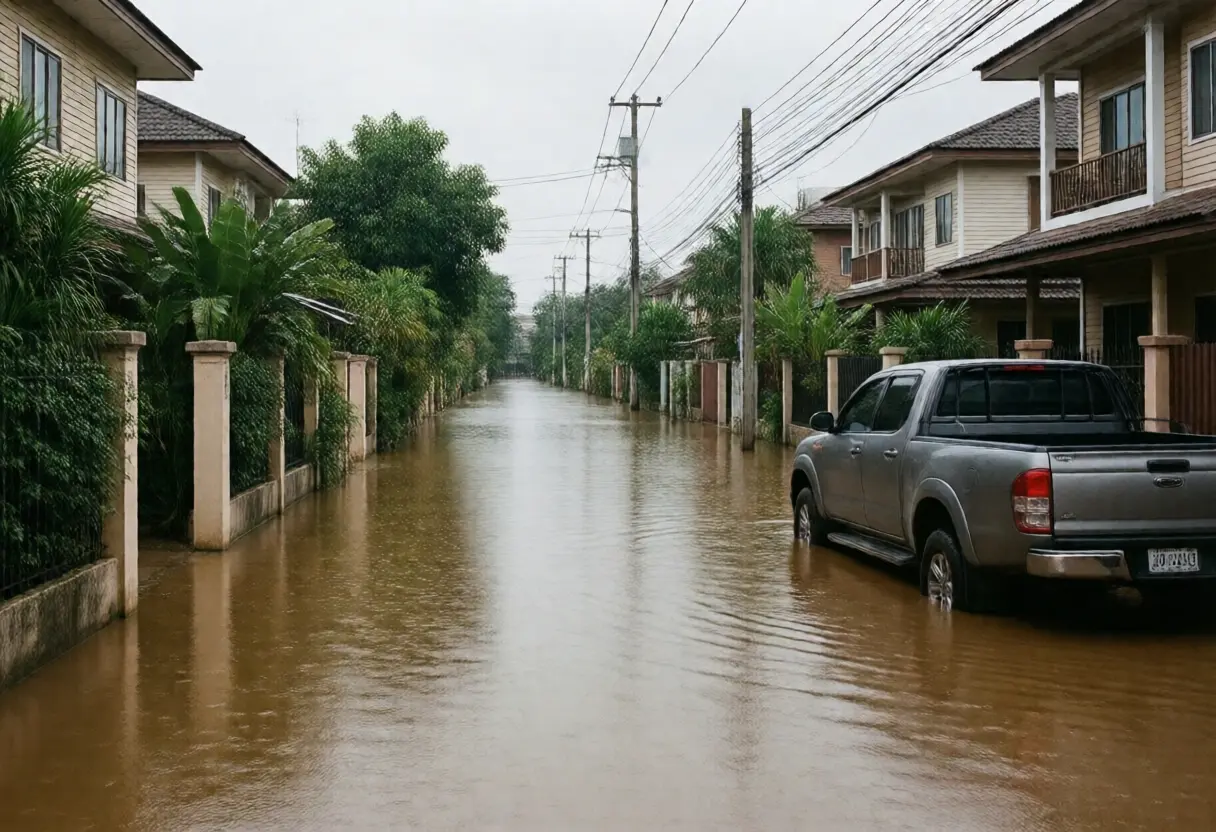
Has this house flooded before, and how would you know?
Check three layers on top of each other: satellite imagery going back over past years to see whether the area went under, the marks on the building itself which tell the truth whether or not the seller does, and the people who have lived nearby.
The second layer matters most, because a house that has been under water always leaves marks, and those marks are in the places viewers do not look.
Layer one: satellite imagery from past years
GISTDA, the Geo-Informatics and Space Technology Development Agency, publishes flood extent maps derived from satellite imagery for the public to check, through its flood mapping and disaster data platforms.
The thing to do is go back to the major flood years rather than looking only at the current one. 2011 is the best reference event for the central plains, because that is the year the water reached further than it had in decades. An area that stayed dry in 2011 has passed the hardest test available.
Know the limitation. Satellite imagery sees standing water across a wide area. It does not see water that stood for two days and drained, and it does not see flooding confined to one lane. So it tells you whether the area is exposed. It does not tell you whether this particular house went under.
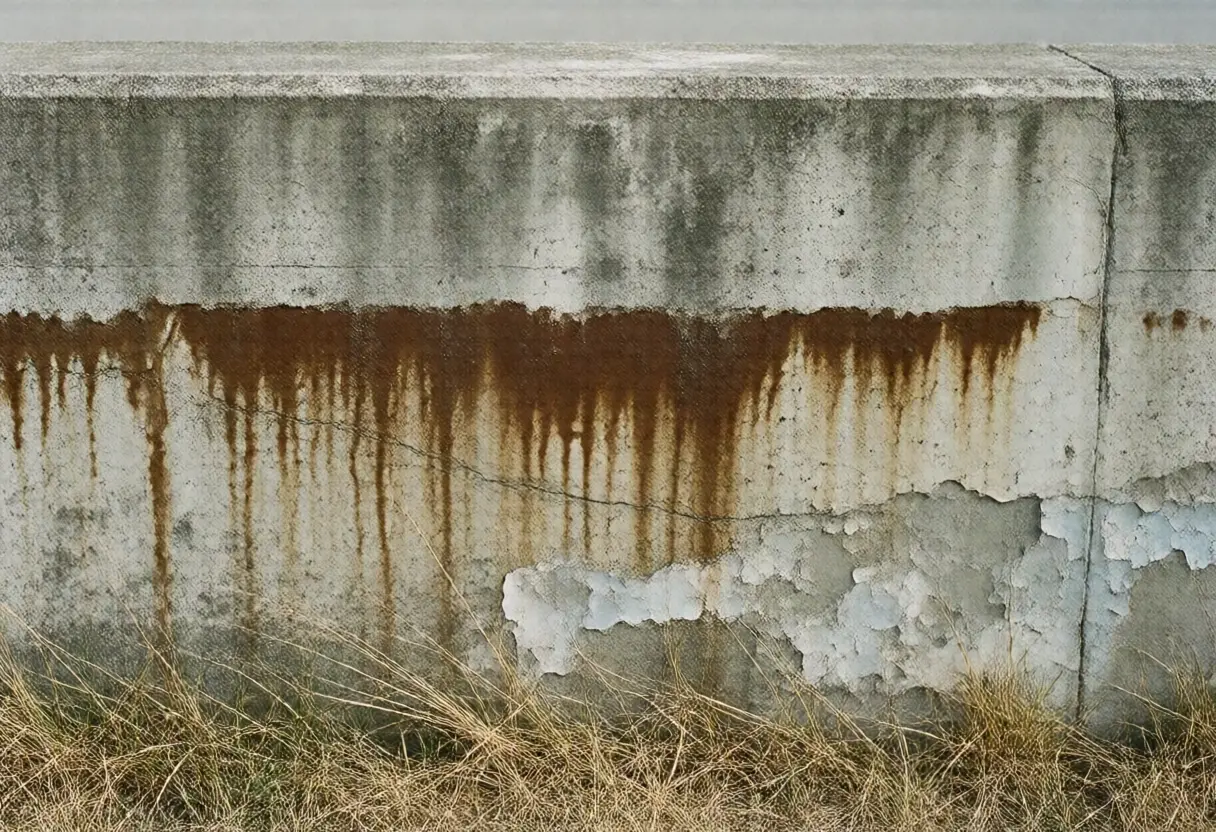
Layer two: the marks the building leaves for you
A seller is under no duty to volunteer this, and many do not. The building volunteers it instead, if you know where to look.
- A water line at a consistent height. On boundary walls, gateposts or external walls, running horizontally and continuously at the same level right across the site, rather than in patches the way a leak stains.
- Fresh paint only on the lower half. A wall repainted below and left original above is the commonest cover-up. Stand back and look at the whole wall in daylight.
- New skirting with original door frames. Skirting is the first thing to fail and the first thing replaced. Brand new skirting against visibly older doors and frames is a question worth asking.
- Sockets and consumer units mounted unusually high. Outlets well above normal height, or a distribution board moved higher than it needs to be, is a fix that tells you there was a problem.
- Rust on gate hinges in a band at one level rather than over the whole fitting. Metal that has stood in water corrodes in a stripe.
- Ground floor tiling noticeably newer than upstairs, especially if the pattern does not match or the grout is fresher.
- Built-in furniture downstairs raised on legs in a house where the upstairs units sit flat on the floor.
- A musty smell under the stairs or in a store room that does not clear when the door is left open.
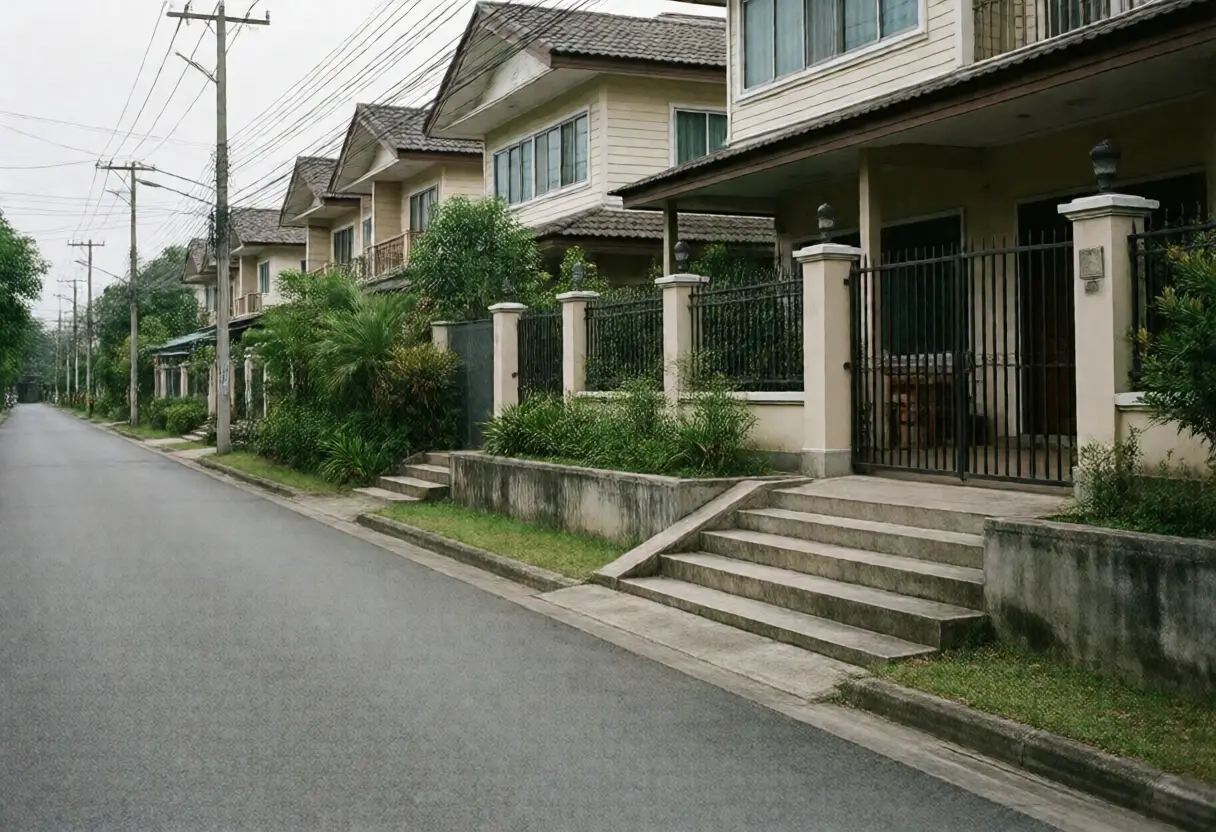
The signal most often missed is a road surface higher than the floor of the house. Roads in areas that have flooded are usually raised afterwards, and a house that was not raised with them becomes a basin. Stand at the gate and work out where rain on the road will run. If the answer is into the house, that is expensive and hard to fix.
Layer three: ask the people who were already there
The shop at the mouth of the lane, the motorcycle taxi rank and the households that have been there for years know this better than any document. The question that works is not whether it floods around here, because the answer to that is usually no. Ask instead:
- How high did the water get here in 2011?
- What was the most recent year water came into this lane?
- After two hours of heavy rain, does this lane drain in time?
Questions with a number and a year in them get straighter answers than open ones, every time.
The district or municipal office is worth asking too. They hold records of local flooding hotspots and of drainage works under way.
The city plan and water retention areas
A comprehensive plan designates some land as water retention area or as having drainage constraints, which describes long term exposure better than any single year's event.
This can change. The draft fourth revision of the Bangkok Comprehensive Plan, currently on public display, revokes five water retention areas. Which means some plots are about to change status, and the drainage behaviour of those districts will change with them.
On how to check the colour on your own land and read the provisions actually in force, see zoning colours and how to check your own plot.
How much does insurance cover? The answer surprises people
A standard residential fire policy in Thailand does cover natural perils, including windstorm, flood, hail, earthquake and damage from tsunami.
But the natural perils cover is capped at 20,000 baht a year for all those perils combined, or ten per cent of the sum insured, depending on what the policy states. It is not cover up to the sum insured, which is what most people assume.
So a house insured for three million baht that suffers five hundred thousand baht of flood damage is indemnified up to the natural perils limit in the policy, not for five hundred thousand.
Buying in an exposed area means buying specific flood cover as an addition, not assuming that having home insurance is the end of it. Ask for the additional premium before you decide on the house, because in a high risk area that premium is an annual cost that belongs in the budget.
The same cap on natural perils in the same policy is explained in what a Thai home policy covers for earthquake.
If you love the house anyway
You do not have to walk away from every house that has flooded. One that flooded and was properly remedied can be safer than one that has not flooded yet but sits in the same basin. The task is to turn the risk into a number.
- Ask the seller to state in writing whether the house has suffered flood damage and when. A refusal to state it is itself the answer.
- Price the cost of raising ground levels, lifting the electrical installation and building a flood barrier, then take that into the negotiation rather than treating it as a reason to leave.
- Get a flood insurance quotation for that specific address before you pay a deposit. The premium is a risk assessment by the party that has to pay out, which is more candid than anything anyone will tell you.
- Talk to the bank early, because valuations and lending limits can be reduced in exposed areas.
On checking title and the expropriation route before a deposit, see how to check a plot before paying a deposit. And if you are still looking, our houses for sale are listed with their locations.
Frequently asked questions
Where can I check past flooding?
Through GISTDA, which publishes flood extent maps from satellite imagery for public use. Go back to major flood years, particularly 2011, rather than looking only at the current year.
Can satellite data tell me whether this specific house flooded?
No. It shows standing water across wide areas but misses water that stood for two days and drained, or flooding confined to one lane. Use it to judge the area's exposure, not one property's history.
What marks show a house has flooded?
A horizontal water line at a consistent level on walls and fences, fresh paint only on the lower half of walls, new skirting against original door frames, sockets mounted unusually high, rust in a band on gate hinges, and ground floor tiling clearly newer than upstairs.
How serious is a house sitting below road level?
Very. Roads in areas that have flooded are usually raised afterwards, and a house not raised with them becomes a basin. Stand at the gate and see where rain on the road will run.
Does home fire insurance cover flood?
It does, but capped at 20,000 baht a year for all natural perils combined, or ten per cent of the sum insured depending on the policy. It is not cover up to the sum insured.
What should I do about insurance in an exposed area?
Buy specific flood cover as an addition, and get the quotation before you pay a deposit, because the premium is a risk assessment from the party that would have to pay the claim.
Must a seller disclose past flooding?
In practice many do not. The better approach is to have it stated in the contract whether the house has suffered flood damage and when. A refusal to state it tells you something on its own.
Should I simply avoid any house that has flooded?
Not necessarily. A house that flooded and was properly remedied can be safer than one in the same basin that has not flooded yet. Price the remediation and the insurance, then negotiate.
Key takeaways
- Check three layers: GISTDA satellite imagery from past years, the marks on the building, and what long-standing neighbours say.
- Go back to 2011, the reference event where water reached furthest, rather than looking only at the current year.
- The clearest marks are a horizontal water line at one consistent level, paint refreshed only on the lower half, and sockets mounted unusually high.
- The most overlooked signal is a road surface higher than the floor of the house, which turns the property into a basin.
- A residential fire policy caps all natural perils together at 20,000 baht a year, not at the sum insured.
- In an exposed area, buy specific flood cover and get the quotation before paying a deposit.
- A house that has flooded is not automatically a house to avoid. Price the remediation and use it in the negotiation.