
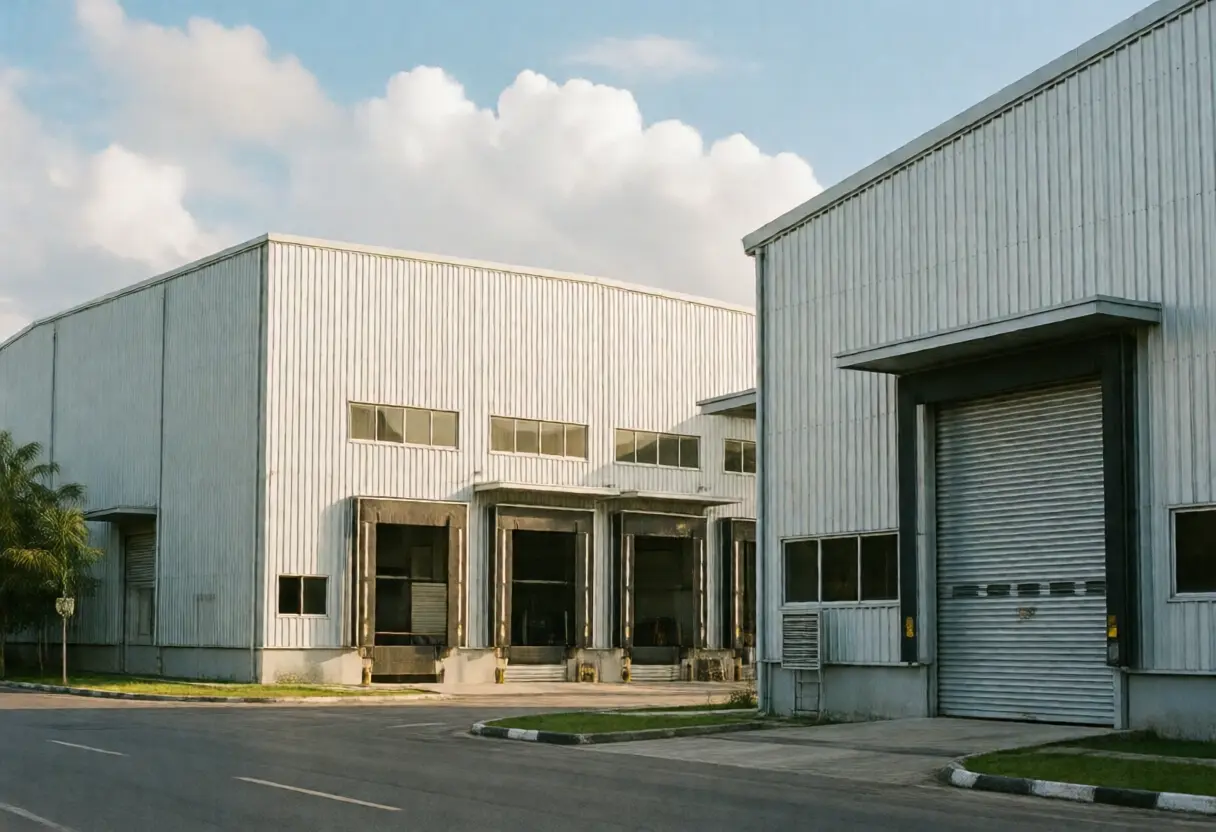
What Ror Ngor 4 is, and who actually needs one
Ror Ngor 4 is the licence to operate a class 3 factory under Thailand's Factory Act B.E. 2535. You need one if the activity you intend to run is classified as class 3 in the schedule to the ministerial regulation. Class 2 requires only a notification before you start, and class 1 requires neither.
That answer is one layer shorter than reality, because the question people are really asking is not which class needs a licence. It is which class their own operation falls into, and that answer changed in 2019 in a way much of the advice online still has not caught up with.
Since 27 October 2019, a great many operations are no longer factories
The Factory Act (No. 2) B.E. 2562 was published in the Government Gazette on 30 April 2019 and took effect 180 days later, on 27 October 2019. What it changed was the definition of the word factory itself.
| Threshold | Before 27 Oct 2019 | From 27 Oct 2019 |
|---|---|---|
| Combined machine power | 5 horsepower and above | 50 horsepower and above |
| Number of workers | 7 and above | 50 and above |
That is a tenfold jump on machinery and a sevenfold jump on headcount. An operation running under 50 horsepower of combined machine power with fewer than 50 workers no longer meets the statutory definition of a factory. No licence, no notification, and no supervision by the Department of Industrial Works.
Concretely: a small machine shop with 30 horsepower of equipment and twelve staff was inside the regime before 2019 and is outside it now.
Read the two thresholds carefully, because they work independently. An operation with only 10 horsepower of machinery but 60 workers is still a factory, having crossed the headcount threshold. The 2019 amendment also brought in the case of an operation that uses no machinery at all but employs enough people to cross that line.
One trap for existing licence holders: if you already hold a licence and later cut machinery below 50 horsepower or staff below 50, the law still treats the site as a factory until you formally notify the authorities that you have ceased operating. Going quiet does not remove you from the register.
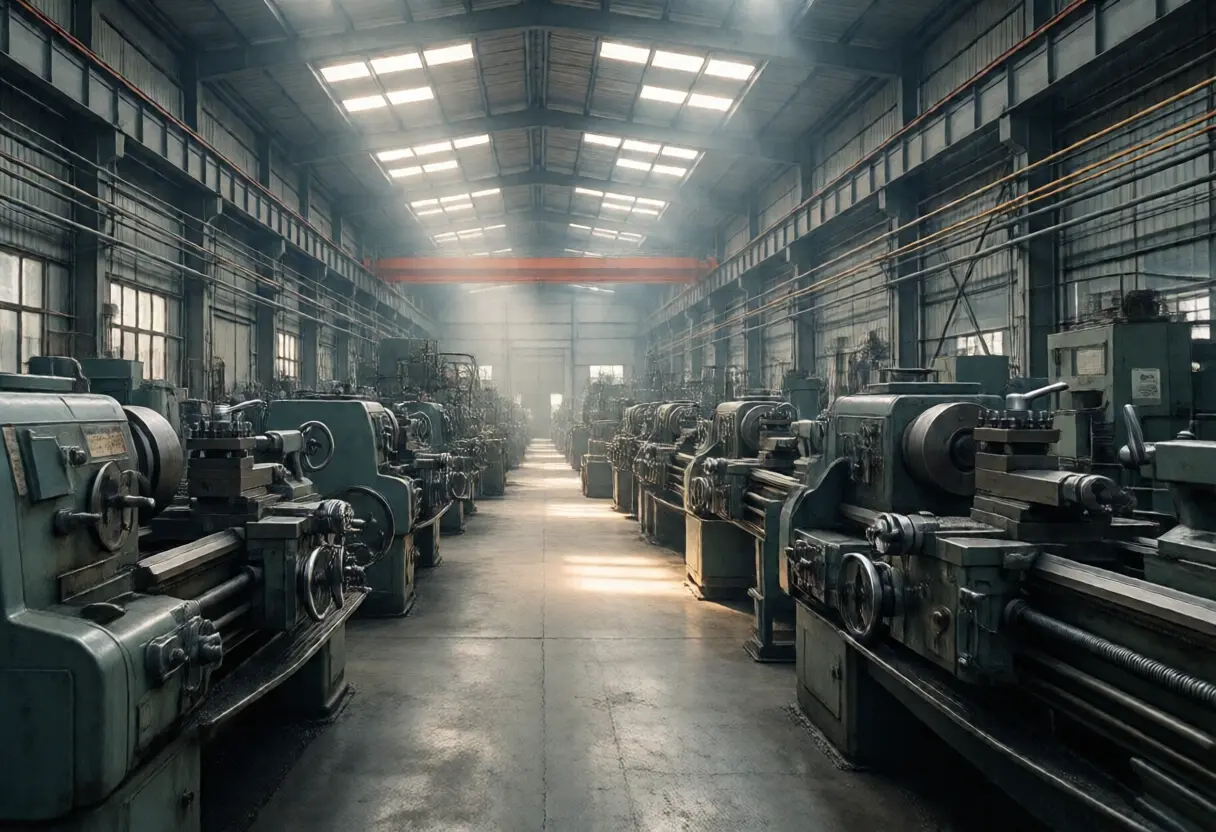
Three classes of factory, separated by duty rather than size
Once an operation does meet the definition, the next question is which class it sits in, and each class carries a different obligation.
| Class | What is required before starting |
|---|---|
| Class 1 | May operate without a licence or notification, but must comply with the operating rules the law sets |
| Class 2 | Must notify the competent officer before beginning operations. No Ror Ngor 4 |
| Class 3 | Must hold a factory operating licence, the Ror Ngor 4, before beginning operations |
Here is the part most summaries get wrong, and it matters more than anything else in this article.
Class is not decided by a single horsepower figure applied to every business. It is set activity by activity in the schedule to the Ministerial Regulation on Types or Kinds of Factories B.E. 2563, published in the Government Gazette on 5 August 2020, which divides industry into 107 categories. Each category states for itself at what size it becomes class 1, class 2 or class 3.
So two operations with identical machinery can sit in different classes if they do different things. Activities carrying higher pollution or safety risk are placed in class 3 at a far smaller size than general manufacturing.
Do not trust a summary table that says over 50 horsepower equals class 3, including the simplified version in this article. Open the schedule to the 2563 regulation, find your own category, and read that line. Or tell the Provincial Industry Office both your activity type and your combined machine power and ask them.
Where the application goes
A factory in Bangkok applies to the Department of Industrial Works. A factory anywhere else applies to the Provincial Industry Office for the province where the site sits.
The 2019 amendment also opened the door to filing applications and issuing licences electronically, one of the secondary regulations that came into force alongside it on 27 October 2019.
The core documents are the application form, corporate registration or identification for the applicant, proof of title or the lease for the land, a site layout, building plans, a machinery list with horsepower ratings, and a description of the production process. Some categories and sizes also require an environmental impact assessment. The exact list varies by activity, so ask the office you will be filing with before you start assembling it.
The licence no longer expires, but two things now fall due every year
Before 2019 a Ror Ngor 4 ran for five years from issue and had to be renewed every five years. The 2019 amendment repealed both the licence term in section 14 and the renewal procedure in section 15. A licence issued under the current law does not expire.
No expiry does not mean nothing to do. The law traded a five-yearly renewal for two annual obligations.
- Pay the annual factory operating fee. Letting it lapse is a breach of the Act, not merely an unpaid invoice.
- Certify your own operating information every year through the system the Department of Industrial Works maintains, known as Self-Declaration. The filing is made once a year.
Self-certification has an audit mechanism behind it. A licensed private inspector verifies the declared information once every five years, so that self-certification does not become a box anyone can tick.
An operator who fails to self-certify under section 9 paragraph two faces a fine of up to 50,000 baht under section 47/1, which the 2019 amendment added.
What it costs
Two different numbers get confused here, so separate them first. The figures in the fee schedule attached to the Act are ceilings, the maximum the law permits to be charged. What you actually pay is set by ministerial regulation and scales with the horsepower of your machinery, well below those ceilings.
The ceilings in the schedule, as amended in 2019:
| Item | Previous ceiling | Ceiling under the 2019 amendment |
|---|---|---|
| Application | 100 baht each | 100 baht each |
| Licence | 100,000 baht each | 300,000 baht each |
| Expansion approval | Not separately set | 300,000 baht |
| Licence transfer | Not separately set | 5,000 baht each |
| Replacement licence | 1,000 baht each | 5,000 baht each |
| Annual operating fee | 30,000 baht a year | Reset by ministerial regulation |
Do not budget from this table. These are ceilings, not invoices. Your actual rate depends on combined horsepower and is fixed by regulation, so ask the office you will file with and give them your machine power when you do.
Buying or leasing a factory does not buy you the licence
This is where purchasers of industrial property most often come unstuck, and it is why this article sits on an agency's website.
A Ror Ngor 4 is issued to the operator, not to the building. Buying a factory with its land does not hand you the seller's licence, and the same is true of leasing and hire purchase.
Under the Factory Act B.E. 2535, where a licence holder transfers the business, leases, lets on hire purchase or sells the factory, the transferee, lessee, hire purchaser or buyer must apply for the licence within 7 days of the date the previous operator is treated as having ceased operating.
Seven days is very short against the rhythm of a land transfer. The form is Ror Ngor 3/2, the application to take transfer of a factory operating licence, which covers sale, lease, hire purchase and inheritance alike. Supporting documents include evidence of the business transfer or the sale or lease agreement, together with identification for the transferee.
Which means this belongs in the sale and purchase agreement from the start, not in the conversation on transfer day. Agree who files, when they file relative to the transfer of title, who pays the transfer fee, and what happens if the application is refused.
Factories inside industrial estates run on a different permit
If the site sits inside an industrial estate, the route is not Ror Ngor 4 at all. The industrial estate legislation already covers establishing a factory within the estate, so operators hold permits from the Industrial Estate Authority of Thailand instead: a permit to use the land and a permit to operate within the estate.
This matters when reading a listing. If the property is inside an estate, asking the seller for a Ror Ngor 4 may correctly get you the answer that there isn't one. Ask to see the estate authority permits instead.
How much expansion triggers a fresh approval
Adding machinery does not automatically require an expansion approval. The 2019 amendment replaced a single figure with a six-step ladder keyed to the size of the existing plant.
| Existing combined machine power | Counts as expansion once you add |
|---|---|
| Under 100 hp | 50 hp |
| 101 to 500 hp | 100 hp |
| 501 to 1,000 hp | 200 hp |
| 1,001 to 2,000 hp | 300 hp |
| 2,001 to 3,000 hp | 400 hp |
| Over 3,000 hp | 500 hp |
The second limb of the expansion test is carrying the works onto a new plot of land adjoining the existing one.
Where an expansion is exempt, where adding or removing machinery does not amount to an expansion, or where the factory changes class, you still have to notify the competent officer. Failing to notify carries a fine of up to 20,000 baht under section 51.
Operating without a licence
Operating a class 3 factory without a licence carries up to one year in prison, a fine of up to 100,000 baht, or both, plus a further fine of up to 5,000 baht for every day the breach continues.
The daily fine is what makes the number run away. It keeps accruing until you stop or until the licence is granted, so a plant that has run unlicensed for a year is not looking at a 100,000 baht ceiling but at that ceiling with a year of daily fines stacked on top.
Three checks before you commit to a site
The order matters, because failing either of the first two makes the third irrelevant.
- Zoning. Does the town plan allow a factory of your type in that colour zone? City plans dictate which activities may sit where. Cheap land you cannot build your factory on is not cheap land.
- Your activity and its class. Open the schedule to the 2563 ministerial regulation, find your category, and see which class your planned size falls into. That answer decides whether you need a licence, a notification, or nothing.
- The licence status of the property itself. For a working factory, ask to see the original Ror Ngor 4, check that the licence holder's name matches the seller, that the licensed activity matches what is advertised, and that no outstanding official orders are attached to it. The Department of Industrial Works runs a factory search system for a first look.
If you are still looking for a site, our factories and warehouses for sale are listed with their locations and floor areas. And if you are unsure about the title to the land itself, how to check a plot before paying a deposit sets out the steps.
Frequently asked questions
Does a small workshop with 30 horsepower of machinery need a Ror Ngor 4?
No, provided it also has fewer than 50 workers. Since 27 October 2019 an operation with under 50 horsepower of combined machine power and fewer than 50 workers does not meet the definition of a factory under the Factory Act at all.
When does a Ror Ngor 4 expire, and how is it renewed?
It does not expire and there is no renewal. The Factory Act (No. 2) B.E. 2562 repealed both the licence term and the renewal procedure. The holder must instead pay the annual operating fee and file an annual self-declaration through the Department of Industrial Works system.
If I buy a factory, do I get the seller's licence with it?
No. The licence is issued to the operator, not to the building. A buyer, lessee or hire purchaser must apply for the licence within 7 days of the date the previous operator is treated as having ceased operating, using form Ror Ngor 3/2.
Does a class 2 factory need a Ror Ngor 4?
No. Class 2 operates on a notification to the competent officer before starting. The Ror Ngor 4 applies only to class 3.
Do I need a Ror Ngor 4 inside an industrial estate?
No. The industrial estate legislation already covers it, and operators hold Industrial Estate Authority of Thailand permits instead: a land use permit and a permit to operate within the estate.
I want to add 40 horsepower of machinery. Is that an expansion?
It depends on your existing size. Where combined machine power is currently under 100 horsepower, the expansion threshold is an increase of 50 horsepower or more, so adding 40 does not reach it. You must still notify the competent officer that it does not, and failing to notify carries a fine of up to 20,000 baht.
What is the penalty for operating without a licence?
Up to one year in prison, a fine of up to 100,000 baht, or both, plus up to 5,000 baht per day for every day the breach continues. The daily component is what pushes the total well past what most people expect.
Is the licence fee really 300,000 baht?
That is not what you pay. 300,000 baht is the ceiling in the fee schedule attached to the Act as amended in 2019. The rate actually charged is set by ministerial regulation and scales with horsepower, so ask the office you will file with for the rate that applies to your operation.
Key takeaways
- Ror Ngor 4 is the operating licence for a class 3 factory. Class 2 files a notification, class 1 does neither.
- Since 27 October 2019 the definition of a factory begins at 50 horsepower or 50 workers, up from 5 and 7, so smaller operations are outside the Act entirely.
- Class is set activity by activity across 107 categories in the schedule to the B.E. 2563 ministerial regulation, not by one horsepower figure applied to everyone.
- The licence no longer expires, but the annual fee and an annual self-declaration both fall due, with a fine of up to 50,000 baht for failing to self-certify.
- Buying, leasing or hire purchasing a factory requires a transfer application within 7 days on form Ror Ngor 3/2. The licence does not travel with the building.
- Sites inside industrial estates use Industrial Estate Authority permits rather than a Ror Ngor 4.
- Operating unlicensed carries up to a year in prison or a 100,000 baht fine, plus up to 5,000 baht for every day it continues.