

You sold the house, and the buyer has found a crack. Are you liable?
Under section 472 of the Civil and Commercial Code the seller is liable for defects that impair the value of the property or its fitness for its intended purpose, whether or not the seller knew the defect existed, provided it was there at or before delivery. Section 473 gives three exceptions, and the one year limitation in section 474 runs from the date the defect was discovered, not from the date of transfer.
That last point is the one sellers get wrong most often.
Section 472 is the rule, section 473 is the way out
The starting rule is hard on sellers: liable even without knowing. The law does not ask whether you knew. It asks whether the defect was there when the property was handed over.
| Situation | Is the seller liable? |
|---|---|
| The crack existed before delivery, neither party knew | Liable, under section 472 |
| The buyer knew at the time of sale, or ought to have known using the care of a reasonable person | Not liable, section 473(1) |
| The defect was apparent at delivery and the buyer accepted without objection | Not liable, section 473(2) |
| Property sold at public auction | Not liable, section 473(3) |
| The crack appeared after delivery | Not liable, because it was not a defect existing at delivery |
The last row sounds like an easy escape, and in practice it is where the argument is heaviest. Cracks rarely appear in a single day. They open gradually from a cause that was already present, settlement being the obvious one. The question becomes whether the cause existed before delivery, not what date the mark became visible.
Rows two and three are why disclosure is worth far more than most sellers assume. Say it plainly and the buyer still wants the house, and the case moves out of section 472 and into section 473 immediately.
The clock starts on discovery, not on transfer
Section 474 bars an action once one year has passed from the time the defect was discovered.
Plenty of sellers believe that a year after the transfer they are safe. They are not. If the buyer lived there for three years and only found the beam crack last month, their year started last month.
It cuts the other way too. A buyer who finds something and sits on it can lose the right. Found it last year, photographed it, did nothing else, and the year runs out.
Which means both sides should do the same thing: record dates. The buyer records the date of discovery and gives written notice. The seller keeps evidence of the handover date and of the condition of the house on that day.
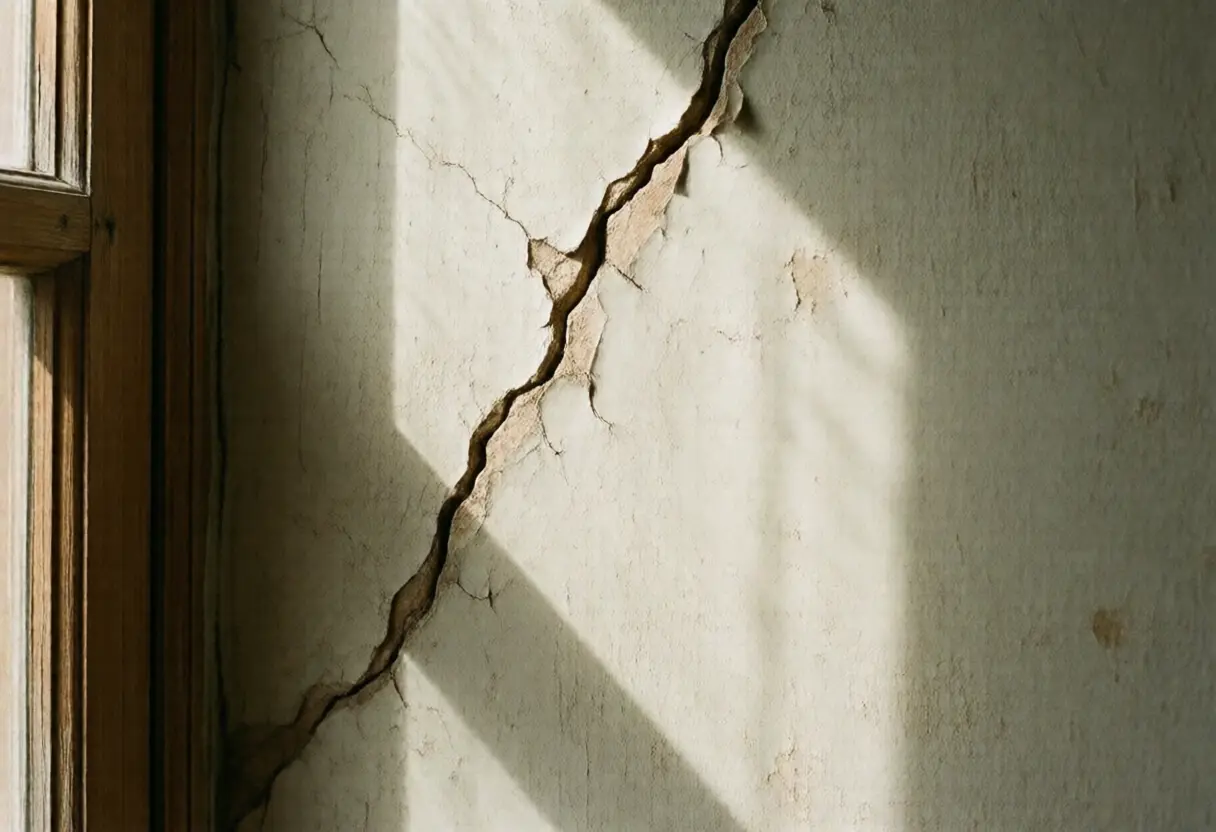
How far does an "as is" clause protect you?
Some of the way, not all of it.
Section 483 allows the parties to agree that the seller will not be liable for defects. Such a clause is real and enforceable.
Section 485 then provides that such a clause cannot protect the seller against the consequences of the seller's own acts, or of facts the seller knew and concealed.
| What the seller did before selling | Does the "as is" clause still hold? |
|---|---|
| Did not know about the crack, did nothing to hide anything | Yes |
| Knew about the beam crack and said nothing | No. Knew and concealed |
| Filled and painted over the crack before viewings | No. A consequence of the seller's own act |
| Disclosed it with photographs in the contract, buyer signed to acknowledge | Yes, and section 473(1) applies on top |
The third row is the painful one. Repainting a whole house before selling is ordinary and perfectly proper. Skimming over a crack you know about so the buyer will not see it is a different thing, and not hard to prove once the same crack reopens in the same place.
Which cracks amount to a defect at all
Not every mark. The law is concerned with defects that impair the value of the property or its fitness for the purpose it is intended for.
- Hairline crazing in the plaster from ordinary ageing rarely reaches the level of impairing value.
- Cracks in masonry walls depend on width and direction. A wide diagonal running up from the corner of a door frame usually points to settlement.
- Cracks in columns, beams or slabs sit in an entirely different severity class, particularly once reinforcing steel is visible.
- Signs the whole house has moved, such as doors that no longer close, sloping floors, pipes failing repeatedly in the same place.
How to tell a dangerous crack from one that can wait is in which cracks mean danger and which can wait. Structural checks before buying a resale home are in checking structural risk in a resale home.

If you are the seller, what to do before listing
- Disclose in writing. An annexe to the contract listing the defects you know about, with photographs and dates, signed by the buyer as acknowledged.
- Do not skim over a crack you know about before viewings, because that is precisely where section 485 removes the protection of your clause.
- If you repair, finish the job and keep the receipts. A named contractor, an invoice and before and after photographs are far better evidence than silence.
- Let the buyer inspect thoroughly. A buyer who inspected and accepted without objection falls under section 473(2).
- Record the condition of the house on handover day. Dated photographs of every room, because the burden of showing that something arose afterwards will come back to you.
Disclosure does not make a house unsellable. It moves the price to where it belongs and closes the door on a claim arriving later. If you are preparing to sell, see the house selling service.
If you are the buyer
- Finish your inspection before accepting transfer, because a defect that was apparent at delivery and accepted without objection falls under section 473(2).
- Photograph every room on handover day and keep the files with their dates intact.
- The date you discover a defect is the date your year starts. Record it and give the seller written notice straight away rather than waiting for them to become hard to find.
- If you bought at a public auction, section 473(3) removes this liability entirely, which is part of why the price was lower. That category of property is covered in reading the signal in bank-owned stock.
- A newly built house from a developer is a separate regime with its own warranty, set out in five years on structure and one on fittings.
Frequently asked questions
The buyer found a crack after the sale. Is the seller liable?
Yes, where the defect existed at or before delivery and impairs the value or fitness of the property, under section 472, regardless of whether the seller knew.
What if the seller genuinely did not know?
Still liable. Section 472 applies whether or not the seller was aware. Not knowing helps with an exclusion clause but does not remove the underlying liability.
Does the limitation period run from transfer or from discovery?
From discovery. Section 474 bars an action once one year has passed from the time the defect was found, not from the date of transfer.
Does an "as is" clause settle it?
Not always. Section 483 permits the agreement, but section 485 provides that it cannot cover the consequences of the seller's own acts, or facts the seller knew and concealed.
Is painting over a crack before selling a problem?
If done to hide a crack you knew about, it defeats the "as is" clause under section 485, being both an act of the seller and a concealment.
Does hairline crazing count as a defect?
Generally not, because the law addresses defects that impair value or fitness for purpose, and surface marks from ordinary ageing rarely reach that level.
Can I claim after buying at auction?
Not under these provisions. Section 473(3) excludes the seller's liability where the property was sold at public auction.
What should a buyer do immediately on finding a crack?
Record the date, photograph it and give the seller written notice, because the one year runs from discovery. Waiting to see whether it worsens simply consumes the time.
Key takeaways
- Section 472 makes the seller liable for defects existing at or before delivery, whether or not the seller knew.
- Section 473 gives three exceptions: the buyer knew or ought to have known, the defect was apparent and accepted without objection, and sale at public auction.
- The one year period under section 474 runs from discovery, not from transfer.
- An "as is" clause is valid under section 483, but section 485 removes its protection where the seller knew and concealed, or acted to hide the defect.
- Skimming over a known crack before viewings is the textbook example of what section 485 does not protect.
- Disclosure with photographs and a signed acknowledgement moves the case from section 472 into the exceptions in section 473.
- Both buyer and seller should keep dated photographs of the property's condition on handover day.