
The answer is not one method or the other. It is how often you will change it
Surface wiring is cheaper to install, and far cheaper to alter.
Concealed wiring costs more to install, and several times more to alter.
So the question that decides this is not which looks better, but how many points this house will gain or move over the next ten years.
A house that answers none should conceal.
A house that answers I do not know should run it on the surface.
And most houses answer I do not know.
People compare the wrong two numbers
When quotes come in, people compare only the installation cost of the two, and conclude that concealing does not cost much more.
The missing number is the cost of every future change.
Adding one socket to a wall with surface wiring means an extra length of trunking and cable. Half a day.
Adding one socket to a wall with concealed wiring means chasing the wall, burying conduit, replastering, waiting for it to dry, then repainting the entire wall because new paint will never match the old.
The second job takes days and three different trades.
The real difference is therefore not on installation day. It is on every day life changes.
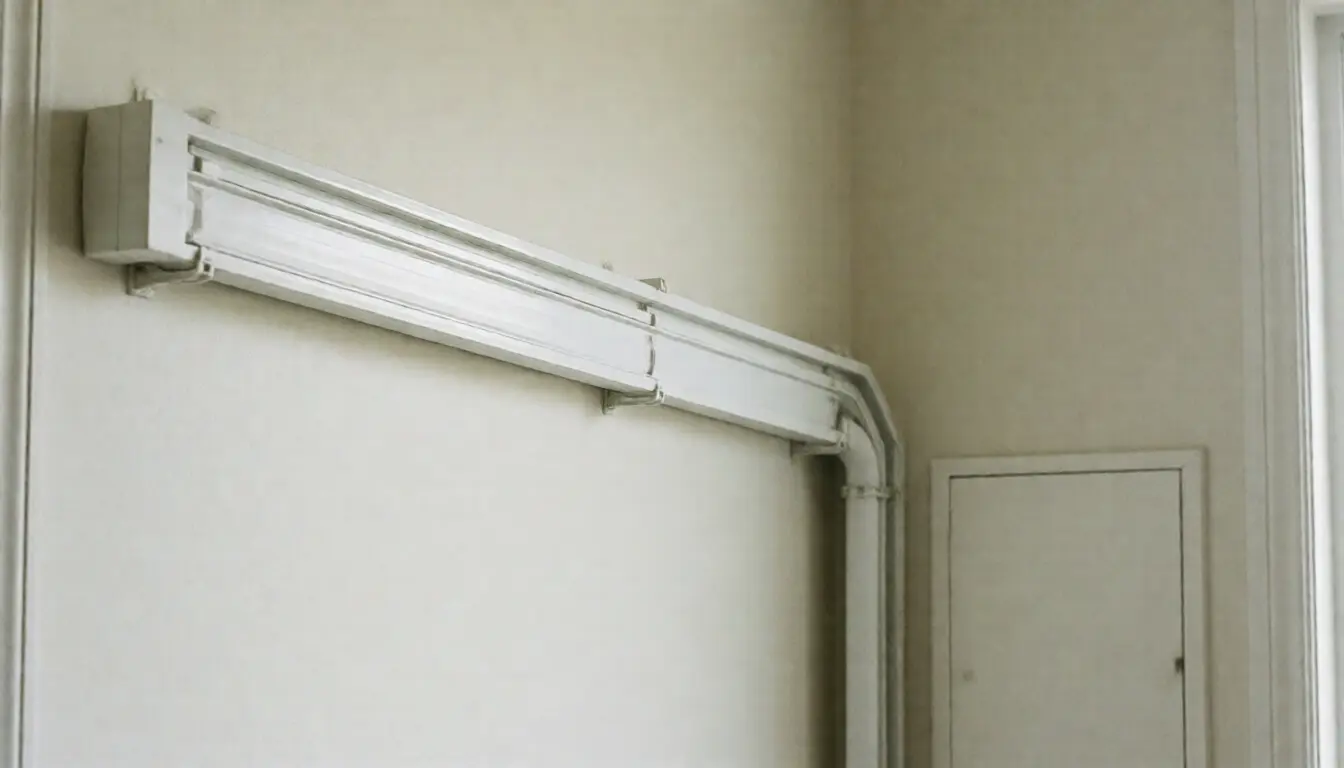
Surface wiring, the advantages people overlook
It can be inspected by eye. Cable you can see is cable you know the position of, and a hot spot or damaged insulation is visible before it spreads.
It can be changed and extended for the whole life of the house, which matters more than it sounds, because the number of electrical devices in a home grows every year without anybody having planned for it.
It sheds heat better. Cable running in open air sheds heat more readily than cable buried in a wall or packed into a conduit.
Faults are found faster. When something goes wrong the electrician follows the run directly, rather than guessing where it goes inside a wall.
The disadvantage is that you can see it, which is the only reason people reject it, and a reason heavy enough for many households.
The other drawbacks are physical knocks, rodents where rodents can reach, and PVC conduit in direct sun going brittle and cracking within a few years.
Concealed wiring, the advantages and the price
Clean walls with nothing to catch on, which is the main reason everybody wants it.
Better protection from impact and from rodents, being inside conduit inside a wall.
Long life while nobody disturbs it, with no sun and nothing falling on it.
The price is the flexibility you gave up.
And there is a second cost people rarely mention: once enough time passes that nobody remembers where the runs are, drilling the wall to hang something becomes a gamble.
The remedy is to photograph every wall while the conduit is still exposed, before plastering, and keep the files.
That set of photographs is worth a great deal ten years later, and it is the same point made in what to do while the walls are still open.
The middle course that works best
Bury conduit without knowing yet what it is for.
During construction or renovation, run spare empty conduit along the routes you might plausibly need, with a draw string left inside it.
Conduit and labour while the wall is open cost very little compared with chasing that wall open again in five years.
There are only a few routes always worth allowing for.
- From the consumer unit to each room
- From wherever the router lives to the living room and the main bedroom
- From inside the house out to the front gate and the carport
- At least one vertical route from the ground floor to the first
Conduit that is buried and never used costs nothing. Conduit you wish you had buried costs many times more.
Cautions that apply to both
Never bury bare cable in a wall without conduit, because it can never be replaced for the life of the house, and if the insulation fails there is no way to know until something happens.
Do not pack a conduit full. Cables bunched tightly shed heat poorly and cannot be drawn out and replaced later, which is one of the reasons conduit is worth having in the first place.
Outdoor conduit must be a type rated for sunlight, because ordinary conduit in constant sun discolours, goes brittle and cracks until the cable is exposed.
Cable size comes before the method. Undersized cable is equally dangerous run either way, as set out in what goes wrong when the cable size is chosen badly.
Do not use plastic trunking in very hot places such as directly under a roof, where the plastic softens and lets go.
Frequently asked questions
Is surface wiring less safe?
Not when installed properly. Cable in suitable trunking or conduit is equally safe, and easier to inspect because you can see it.
How much more does concealing cost?
Not much on installation day, but a great deal on the day something must change, because adding a point to a concealed wall means chasing, plastering and repainting the whole wall.
Can an older house be converted from surface to concealed?
Yes, but the whole route has to be chased into the wall, so it only makes sense alongside a renovation that is opening those walls anyway.
Is burying spare empty conduit worth it?
Very much so, because conduit and labour while the wall is open cost very little against chasing it open later. Leave a draw string inside.
Does cable in a wall always need conduit?
It should. Conduit allows the cable to be replaced later and protects it mechanically. Cable set directly into mortar cannot be altered for the life of the house.
How do I know where the cables run inside a wall?
The most reliable method is photographing every wall while the conduit is still exposed, before plastering, and keeping the files. Detectors help but are not as good as the photographs.
What is the difference between conduit types?
Conduit for electrical work and pipe for plumbing are made to different requirements, so use conduit specified for electrical installation, and where it runs outdoors, a type rated for sunlight.
In short
- Surface wiring is cheaper to install and far cheaper to alter.
- Concealed wiring is tidier, paid for with the flexibility you give up.
- The deciding question is how many points will be added or moved in ten years.
- People compare wrongly because they leave out the cost of future changes.
- The best middle course is spare empty conduit with a draw string in it.
- Never bury bare cable without conduit, because it can never be replaced.
- Photograph the walls while the conduit is exposed, for the day you drill into one.