
Before complaining, run a test that takes one hour
When the electricity or water bill is abnormally high, most people phone the juristic person to say the meter is faulty, which is an accusation with no evidence behind it, and the usual answer is that you used it.
What changes that conversation instantly is a number you measured yourself, and measuring it takes an hour.
Testing the electricity meter. Write down the reading on your unit's meter, then switch off the unit's main breaker completely. Wait an hour and read it again.
If the number has not moved, the meter is reading only your unit and the problem is consumption inside it.
If the number has moved while the unit had no power at all, something else is connected to your meter, which could be a corridor light, a pump, or a neighbouring unit miswired during construction. That is evidence the juristic person cannot dismiss.
Testing the water meter uses the same method. Note the reading, close the stop valve into the unit, wait an hour, read again. If it has moved with the valve closed, either there is a leak before the valve or the meter is not reading only your unit.

A water bill that jumps usually comes from one place
Of all the causes of a water bill rising for no apparent reason, a toilet leaking internally is the first, and it is completely silent.
What happens is that the flush valve seal degrades, so water runs continuously from the cistern into the bowl in a thin stream nobody sees, because it runs down the side of the bowl quietly and makes no noise.
The test takes thirty minutes. Put food colouring or a coloured cleaning fluid into the cistern and do not flush. Wait half an hour and look in the bowl.
If the water in the bowl has changed colour, it is leaking, and replacing the seal is a job costing a few hundred baht that stops thousands of baht a month.
The next most common causes are a tap dripping slowly, which looks trivial but adds up across twenty-four hours and thirty days into something visible on the bill, and a pipe leaking inside a wall, which always shows as damp staining first. If you suspect that, read water leak sensors for a Thai home.
An electricity bill that jumps is almost always the air conditioning
In an apartment, the air conditioning uses more than everything else combined, so if the bill has changed significantly, the answer is usually there rather than in the lights or the television.
Three things make an air conditioner use more without you changing anything you do.
A dirty filter and coil reduce airflow, so the machine runs longer to reach the same temperature. Having it cleaned is the fastest payback available in an apartment.
Refrigerant leaking means less cooling and longer running. The signs are cooling more slowly than it used to and a compressor that barely cycles off.
The temperature set lower without you noticing, which often happens after changing a remote or after a power cut resets the unit to factory settings.
The other thing people forget is the outdoor unit on the balcony. Something stacked in front of it or a plant growing over it means it cannot shed heat, so it uses more while everything inside the room is unchanged. Sizing and installation are covered in air conditioner sizing and the bill.
Water heaters and things left plugged in
After air conditioning comes the water heater, drawing thousands of watts the whole time it is on, and in many apartments its switch is somewhere nobody ever turns off.
Check whether the water heater is left on permanently, particularly storage models, which keep the water hot around the clock whether anyone is using it or not.
Things left plugged in around the flat, meanwhile, are usually blamed far beyond their share. Set-top boxes, routers and chargers left in the socket do use power, but together they come to tens or a hundred baht a month, not thousands.
If you want to know what actually uses what, buy a plug-in energy meter for a few hundred baht and measure appliances one at a time. The numbers will end all the guessing within a week.
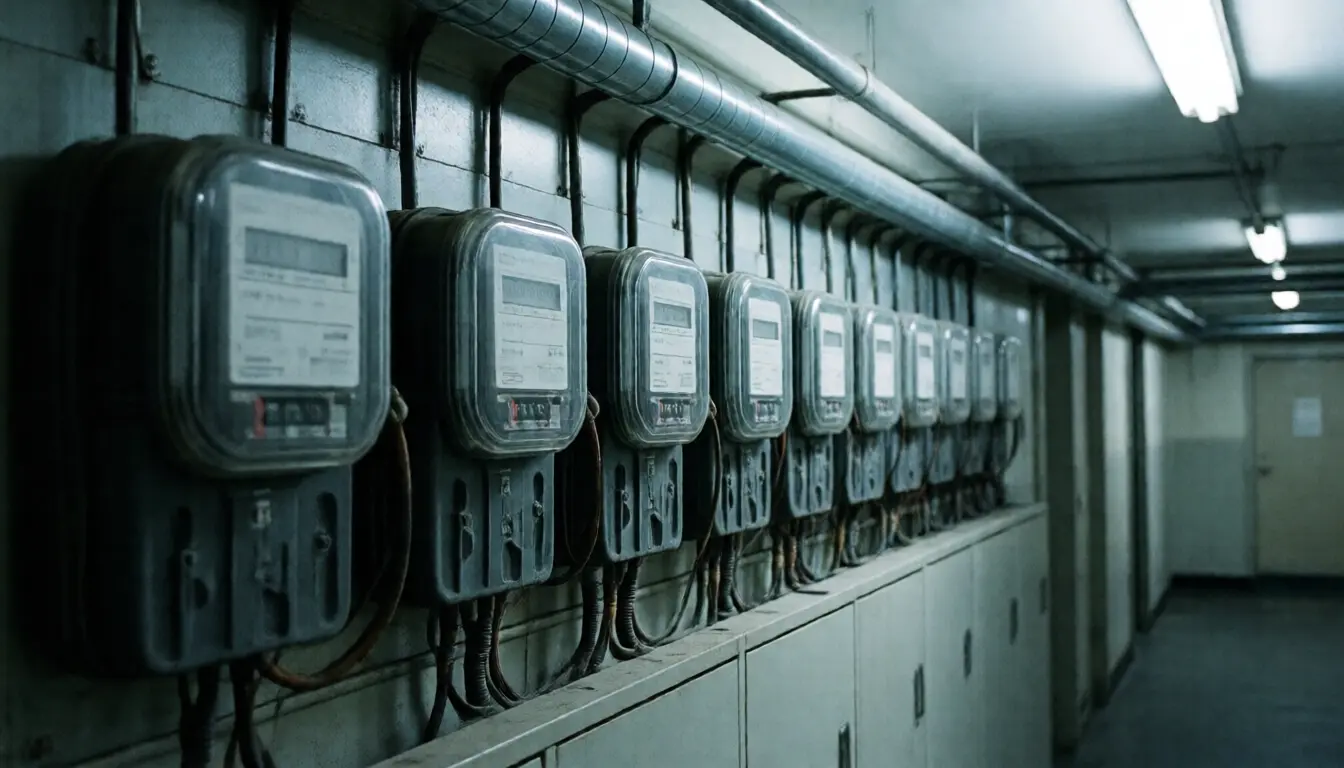
When the juristic person does the billing, ask for three things
Some buildings buy electricity and water and submeter each unit, a system that raises plenty of questions. If that is your situation, you are entitled to ask for three things.
The rate being applied, what the per-unit charge is and where that figure comes from.
The previous and current meter readings, so you can do the arithmetic yourself, because a bill showing only a total with no meter readings is a bill that cannot be checked.
How common area costs are apportioned, such as corridor lighting, lifts and pumps, and whether those sit in the common fee or are also spread into the unit electricity charge, because being charged twice by two routes does happen.
If you are a tenant and the owner bills you for electricity and water, check whether the rate is consistent with the rules applying to the residential building rental business, which are explained in the rental contract control law and tenant rights.
If the meter is directly with the electricity authority
Many units have a meter in the owner's own name with the electricity authority, which makes things simpler because you can deal with them directly.
If the breaker test shows the meter still turning, or you believe it is reading incorrectly, you can ask the authority to test the meter. It is a service with its own fee and conditions, so phone the local office before filing.
Take with you six months of bills, dated photographs of the meter face, and the result of the breaker test you did yourself, because those three things distinguish your case from every complaint that says only that the bill is high.
And before concluding the meter is wrong, check whether the cost per unit has changed, because tariffs carry a component that varies over time and can move a bill while consumption stays the same. Meters and choosing a tariff are covered in the smart meter and the TOU decision.
For a unit you rent out, do one more thing
If you are an owner letting the unit and receive an abnormally high bill for a period when it was empty, go and look at the unit before doing anything else.
What turns up is usually air conditioning left running after the last tenant moved out, a toilet leaking with nobody there to notice, or an outdoor tap on the balcony that other people can reach.
And record both meter readings on the day a tenant moves in and the day they move out, every time, with a photograph of the meter face showing both the numbers and the date.
Because disputes about utilities at deposit time nearly always come from having no starting figure, and those two photographs settle it without an argument.
Frequently asked questions
I think the meter is wrong. How do I prove it?
Note the reading, switch the unit's main breaker fully off, wait an hour and read again. If it has moved with no power in the unit, something else is connected to your meter.
The water bill doubled for no reason.
Check the toilet first, because a degraded flush seal runs water into the bowl continuously and silently. Put colouring in the cistern, wait half an hour without flushing, and if the bowl water changes colour, it is leaking.
Do things left plugged in really raise the bill?
They do, but not by much. Together they usually come to tens or a hundred baht a month. If the bill moved by thousands, look at the air conditioning and the water heater.
The juristic person will not show me the meter readings.
Ask in writing, stating that you want the previous and current readings in order to check the total, because a bill without readings cannot be checked, and asking in writing creates a record.
The unit was empty but the bill is still high. Why?
Usually air conditioning left on after the tenant left, a toilet leaking with nobody to notice, or a balcony tap others can reach. Go and look at the unit before complaining.
When should I record meter readings?
Every time a tenant moves in and out, photographing the meter face so both the numbers and the date are visible, because deposit disputes about utilities nearly always come from having no starting figure.
In short
- Switching off the breaker and reading the meter an hour apart is the test that changes the conversation.
- A jumping water bill usually means a silently leaking toilet. Test it with colouring in the cistern.
- A jumping electricity bill is almost always the air conditioning: dirty filter, lost refrigerant, or a blocked outdoor unit.
- Things left plugged in cost tens or a hundred baht a month, not thousands.
- Where the juristic person bills you, ask for the rate, the meter readings and how common costs are apportioned.
- For a rented unit, photograph the meters at every move-in and move-out.