
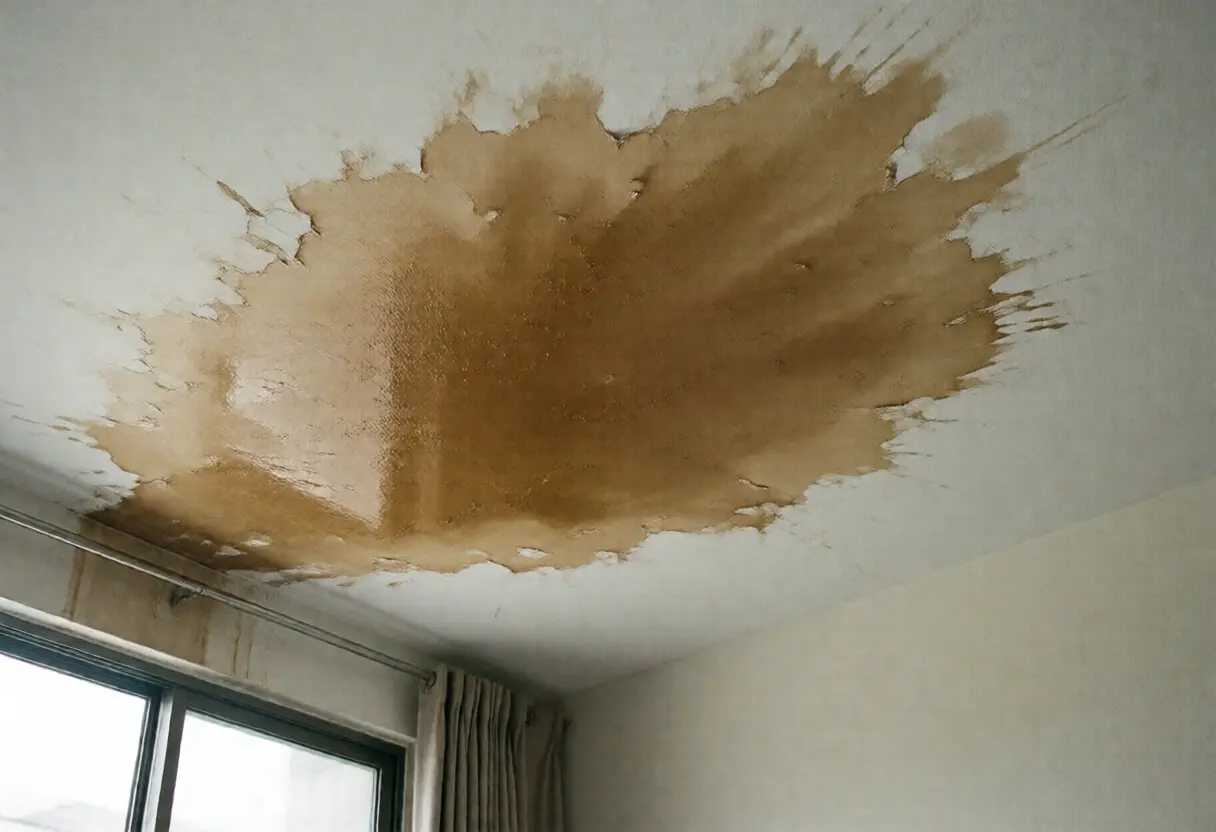
Water is dripping from your ceiling. What do you do first?
Photograph everything, then go and knock on the door upstairs. Most people do it the other way round and lose ground on day one. As for who pays, that is not answered by working out who lives above you. It is answered by finding out which pipe the water came from. A riser or the building structure is the juristic person's problem. Plumbing inside the unit above is that unit's problem.
Nearly everyone who lives in a condominium meets this once, and it always drags on for months. Not because the law is unclear, but because nobody actually knows where the water is coming from.
The first three days matter most
Evidence lost in the first week does not come back, and it is what decides whether you recover anything at all.
- Photograph and film it immediately, both wide enough to show where in the room the stain sits and close enough to show how bad the damage is. Turn the date stamp on.
- Do it again each day for three or four days. A set of photographs showing the stain spreading is what proves this is happening now, rather than an old mark that was there before you moved in.
- Notify the juristic person in writing, not verbally to the security guard and not in the building's group chat. Ask for a reference number, or have the staff sign a copy for you to keep.
- Do not paint over it yet, however ugly it looks, because painting over destroys the evidence along with the stain. If you have to stop the damage spreading right now you can, but photograph every stage first.
- Move anything valuable out from under the drip. Letting more get ruined when you already knew gives the other side an argument that you failed to limit the damage.
The leak is almost never directly above the stain
This is the misunderstanding that drags these cases out longest. People assume the leak sits directly above the mark. In fact water does not fall straight down. It runs along whatever it can cling to first, and then drips off at the lowest point of that path.
- Water travels along pipes and beams first, so the point where it drips can be metres from the actual leak, and frequently in a different unit from the one you suspect.
- Water runs down vertical service shafts through several floors, which means the source can be two or three storeys above you rather than the unit immediately overhead.
- The stain always appears later than the cause. The concrete has to saturate before the moisture reaches the surface, so a slow seep that has been building for months only shows up today.
There are only a few methods that actually work. Shut the water valve to the suspect unit and watch for a couple of days to see whether the stain keeps spreading. Plug the bathroom floor and hold water on it for a few hours to test one system at a time. Or run a thermal camera across the walls and ceiling to find where the moisture is.
An inspection like that costs a few thousand baht, far less than a new ceiling, and it changes the whole conversation. It stops being an argument about who is at fault and becomes three people looking at the same report.
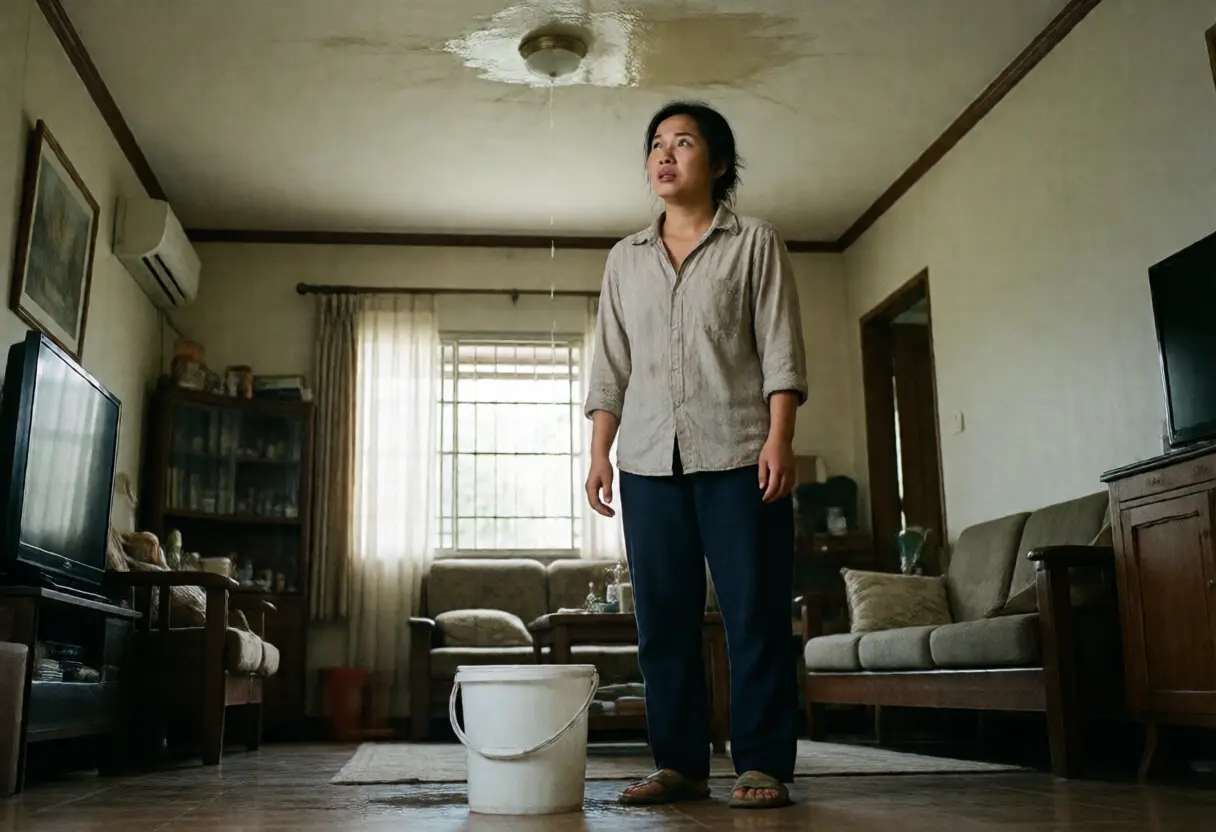
Once you know where it leaked, you know who pays
A condominium splits ownership in two. What is private is the unit itself. Anything in the building that is not the unit is held in common. That line is what decides whose money it is.
| Where the water came from | Whose it is | Who should deal with it |
|---|---|---|
| A vertical riser running through several floors | Common, because several units share it | The juristic person |
| The building's main waste stack | Common | The juristic person |
| The concrete slab between floors | Building structure, so common | The juristic person |
| The pipe under the kitchen sink upstairs | That unit's, because it is inside the unit and serves it alone | The owner or occupier upstairs |
| A washing machine hose that split or came loose | That unit's | The owner or occupier upstairs |
| Failed waterproofing under the bathroom floor upstairs | Arguable, since it is inside the unit but was built with the building | Get a contractor's finding first, then agree |
The last row is the one people genuinely fight about. The owner upstairs will say the waterproofing was the developer's original work. The juristic person will say it sits inside a private unit and is therefore the owner's. The fastest way out is not to argue the point but to hire an independent contractor and have all three parties present during the inspection. A finding everyone watched being made is much harder to dispute afterwards.
The one legal point worth remembering
Most people assume that to claim, they first have to prove the other side was careless. With a water leak that is close to impossible, because the owner upstairs will say they had no idea the pipe was leaking either.
But damage caused by a building has a provision of its own: section 434 of the Civil and Commercial Code. It says that where damage arises because a structure was built defectively or has not been adequately maintained, the person in possession of it must compensate, and if that person shows they took reasonable care, liability falls back on the owner.
What that gives you is that you do not have to prove anyone was negligent. Showing that the pipe or that part of the building was defective or neglected is enough, and that is something a contractor can demonstrate. It is a far easier thing to establish than what was going on in someone's head.
The other part with real consequences is that it runs to the occupier before the owner. So if the unit above is let, the first person liable is the tenant. In practice that means writing to the tenant and the owner together from the start, rather than losing weeks to the two of them pointing at each other.
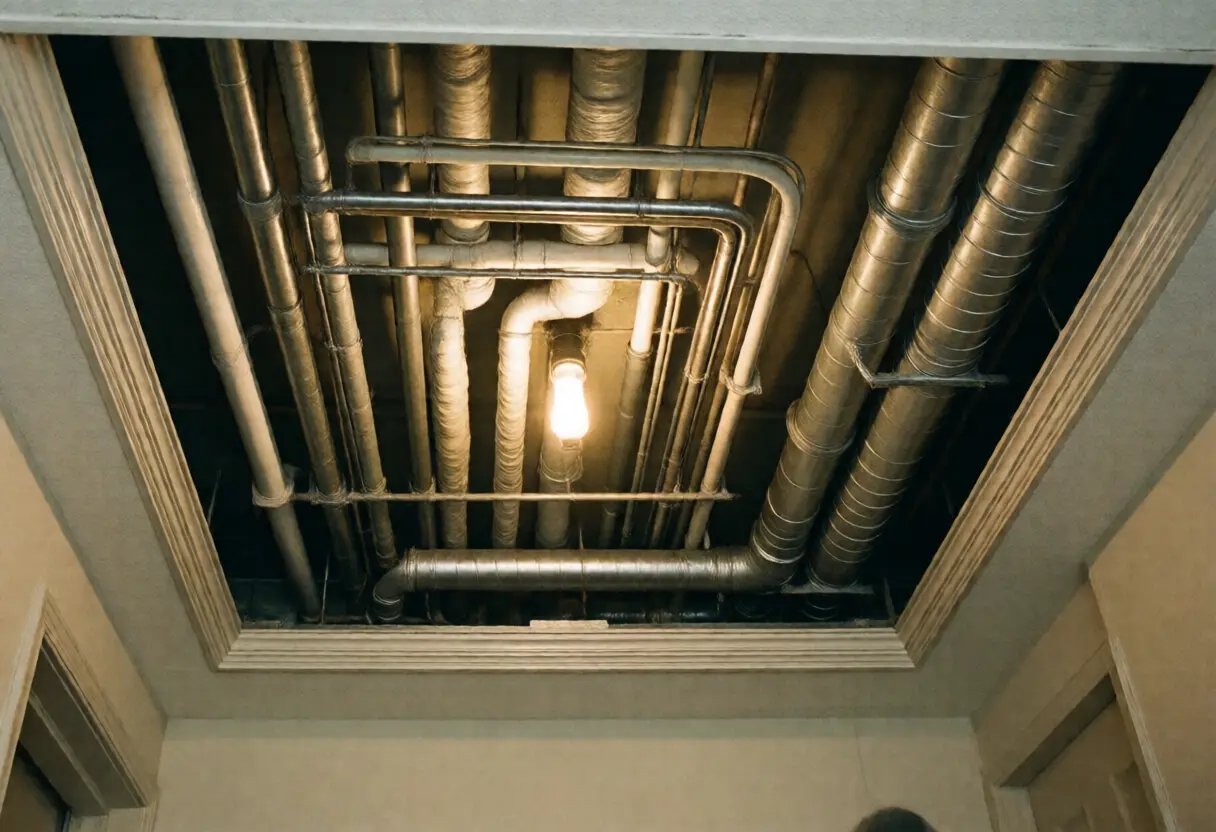
Do not wait out of politeness
The common trap is not being refused. It is being stalled. The owner upstairs is finding a contractor. The juristic person is considering it. Then a month goes by, then another, and not one thing has been put in writing.
A claim like this carries a one year limitation period, running from the point at which you know both that there is damage and who is liable for it. Both conditions have to be met, and where the source takes months to trace, that clock often starts later than the day you saw the stain.
Do not treat that as a reason to wait, though, because evidence fades. The contractor who came and looked moves on. The person who gave you their word resigns. What works is sending a written demand at intervals, by registered post with return receipt, and keeping every receipt. Not because you intend to sue, but so the other side can see you are not letting it slide, which on its own is usually enough to get things moving.
If the juristic person goes quiet or shrugs it off, the ways to press them are in what a co-owner can do about the common property.
If the damaged unit is rented
Two things get mixed up here that need separating.
- Damage to the unit, such as a ruined ceiling, swollen walls or a wrecked floor, is the owner's loss. The owner claims for it.
- Damage to the tenant's belongings, such as a mattress, clothes or a computer, is the tenant's loss. The tenant claims for that in their own name.
Who pays for repairs as between landlord and tenant is a separate question from claiming against the unit upstairs, and it is covered in who pays for repairs in a rented home.
What a tenant should know is to tell the landlord the moment the stain appears rather than waiting for it to get bad, because letting it spread can turn into an argument that the tenant neglected the property they were renting.
If you are the one whose unit did the damage
- Shut the water valve to your unit immediately, then find a contractor. Stopping the source first is what limits the bill most, and it is evidence that you took reasonable care, which bears directly on your own liability.
- Keep every repair invoice, including work done previously, because it shows you have been maintaining the place rather than neglecting it.
- Do not refuse by going silent. Not answering letters does not make the matter go away. It only gives the other side a complete record that they told you and you did nothing.
- Replace washing machine hoses every few years. A hose that has gone hard and splits while nobody is home is the most common cause of a genuinely large bill, and the hose itself costs a few hundred baht.
- If the unit is let, put it in the lease that the tenant must report any leak or unusual damp immediately, because finding out late is the single thing that turns a small repair into a large one.
One thing worth doing before any of this happens is reading your own home fire policy. Many of them cover water damage in some form, but the scope is narrower than people assume. What these policies actually cover is in what a Thai home policy covers.
If you are looking for a rental that has been inspected, see condominiums to let. If you are an owner about to let or sell, see the letting service and the condominium selling service.
Frequently asked questions
Who is responsible when water leaks from the unit above?
It depends which pipe it came from. A riser or the building structure is common property and the juristic person's responsibility. Plumbing inside the unit above is the responsibility of its owner or occupier.
What is the first thing to do when a stain appears?
Photograph and film it with the date, then repeat over the next few days to show it spreading, and notify the juristic person in writing with a reference number.
Why is the leak not directly above the stain?
Because water runs along pipes and beams before dripping off at the lowest point of that path, so the source can be metres away or several floors higher.
Do I have to prove they were careless?
No. For damage caused by a building, section 434 lets you claim by showing the structure was defective or inadequately maintained, without proving negligence.
The unit above is rented. Who do I claim from?
Liability runs to the occupier first, meaning the tenant, and falls back to the owner if the occupier shows they took reasonable care. Write to both at the same time.
Should I paint over the stain or wait?
Wait until it is settled, because painting over removes the evidence with the stain. If you must stop the damage now, photograph every stage first.
Is there a time limit?
Yes, one year from when you know both that there is damage and who is liable, which is often later than the day the stain appeared. It is still no reason to wait, because evidence fades.
Can a tenant claim in their own name?
For their own belongings, yes, such as a mattress or electronics. Damage to the unit itself and its fit-out belongs to the owner, who claims for that.
Key takeaways
- Photograph with the date before doing anything else, and repeat over several days to show the stain spreading.
- Notify the juristic person in writing with a reference number rather than telling someone in person.
- The leak is almost never directly above the stain, because water runs along pipes and beams first.
- A few thousand baht on a leak investigation turns an argument into three people reading the same report.
- Risers and structure are common property, plumbing inside a unit is not, and that line decides who pays.
- Damage caused by a building can be claimed under section 434 without proving anyone was negligent.
- Do not wait out of politeness. Send written demands at intervals and keep every return receipt.