
A smart home is tested not when everything works, but when the internet is down
Most smart homes work beautifully when everything is normal, which is when nothing needs proving.
The moment one has to prove itself is the night the router reboots and the bedroom light will not come on, because whoever installed it removed the wall switch and said to use the app.
That is not a device failure. It is a design failure, because somebody decided on your behalf that you would never need a fallback.
The single rule that prevents all of it is that anything which can be automated must still work by hand.
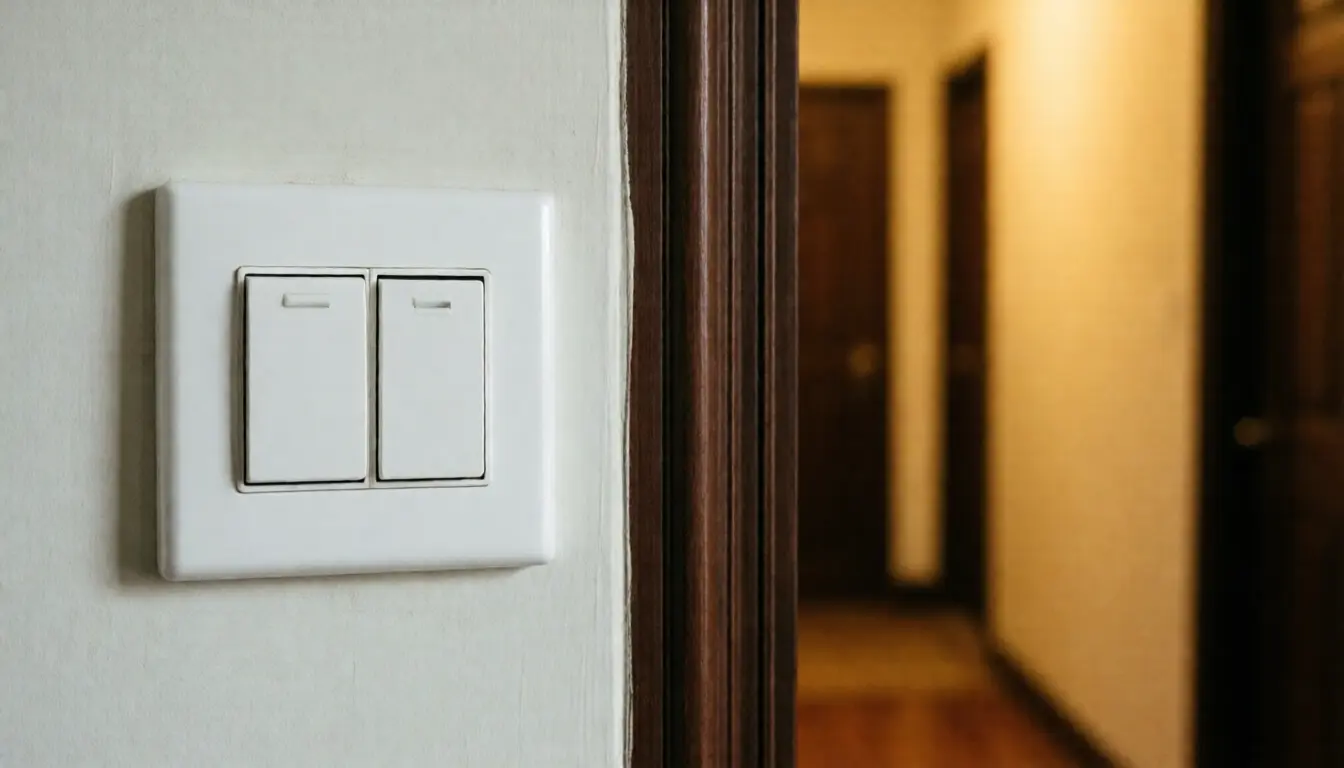
Lights need a switch that turns them on, doors must open without an app, and blinds must pull by hand, which sounds tediously basic and is exactly what a great many houses do not have.
Cloud-dependent against locally controlled
What decides everything is where your command travels before it reaches the device.
A cloud-dependent system means the app sends the command out to the manufacturer's server, which sends it back to the device in your house.
So switching on a light in the room you are standing in involves a journey out of the country and back, and if that route breaks anywhere at all, the light does not come on.
A locally controlled system has a hub in the house holding the automations and talking to devices directly. The internet is needed only when you are away from home.
The result is that when the internet drops, everything in the house carries on. The only thing lost is control from the office, which is an acceptable thing to lose.
A rough guide is that devices connecting to the router over Wi-Fi tend to be cloud-dependent, while devices using their own protocol and needing a hub tend to work locally. Ask the seller directly: with the internet cable pulled out, does it still work?
The ten-minute test to run before trusting the system
Unplug the internet from the router, wait ten minutes, then try these three things.
Switch on every light from the wall. Any that will not come on is what to fix before anything else.
Open the door from outside by a method needing no internet: a code stored in the lock, a card, or a spare key. Choosing a digital lock is in what to check before buying a digital lock.
Test one automation, such as walking past a sensor to see whether the hallway light comes on. If it does not, that rule lives on a server rather than in your house.
Whatever fails those three is your to-do list, and repeat the test each time you add a device, because a system that passed before may not pass after something cloud-dependent joins it.
A power cut is a harder test than an internet outage
With the internet down the house still has power. With the power down, the hub, the router and every device stop together.
The answer is putting the router and the hub on a small UPS, an investment of a few thousand baht that carries the whole system through a two-second flicker. That is covered in voltage sags and surges.
The other thing nobody configures is what state a device returns to when the power comes back.
Because a bulb set at the factory to switch on when it receives power will light the whole house at three in the morning when supply is restored, which is an experience people remember after one occurrence.
Go through the power-restore setting on every device that has one, choosing either the state before the cut or off, depending on what the device is.
And check the door lock's batteries periodically, because a lock with flat batteries during a power cut is a door you cannot get through on the worst possible night.

The neutral wire problem Thai houses meet constantly
Somebody buys a smart switch and the electrician says it cannot be fitted, which is almost always for the same reason.
An ordinary switch needs only two wires to make and break the circuit. A smart switch has to power itself continuously in order to listen for commands, so it also needs a neutral.
The problem is that many Thai houses run only two wires to the switch box, with no neutral in that box at all.
There are three answers. The first is running a neutral, easy during a renovation and disruptive once the walls are closed.
The second is using smart bulbs instead of smart switches and leaving the wall switch permanently on, which works but has the drawback that if anybody switches the wall off, the bulb cannot be reached at all.
The third is a small module hidden in the box above the light fitting, where a neutral already exists, keeping the wall switch working normally. That gives you both the control and the physical button.
Ask the electrician whether the switch box has a neutral before ordering anything, not after it arrives.
Questions to ask before buying that are not on the box
- With the internet unplugged, does it still work? Ask for a demonstration if buying through an installer.
- If the manufacturer shuts down the service, what can this device still do? A hard question to answer and a necessary one, because a device wholly dependent on a server becomes plastic when the company stops.
- Does it work with other systems? Buying everything from one brand is convenient today and a constraint in three years. Choose devices supporting a common standard where you can.
- Can the power-restore state be set? A small feature that separates devices designed thoughtfully from ones that were not.
- Is there a physical button on the device? Anything operable only through an app is unusable the moment a phone battery dies.
And ask yourself one last thing: can everybody else in the house use it? A system only you can operate becomes everybody's problem when you are away, which matters especially with an older person at home, as covered in home technology for elderly parents.
Frequently asked questions
Why will the lights not switch on when the internet is down?
Because your command has to reach the manufacturer's server before returning to the device. Use a system with a hub in the house talking directly to devices, and always keep the wall switch.
How do I know it really works locally?
Unplug the internet from the router, wait ten minutes, then switch on lights from the wall, open the door from outside, and test one automation. Whatever fails is the list to fix.
Why did every light come on at three in the morning?
Because the devices default to switching on when power is applied, and supply was restored then. Set the power-restore state on every device that has one.
The electrician says a smart switch cannot be fitted. Why?
Usually because there is no neutral in the switch box, common in Thai houses. The options are running a neutral, using smart bulbs, or a module hidden above the light fitting.
Should I buy everything from one brand?
Convenient today, a constraint in three years. Prefer devices supporting a common standard, and always ask what the device can still do if the manufacturer stops the service.
In short
- Anything that can be automated must still work by hand.
- Cloud systems send commands out of the house and back. A local hub keeps working when the internet drops.
- Unplug the internet for ten minutes and test lights, doors and one automation.
- Put the router and hub on a UPS and set the power-restore state on every device.
- Ask the electrician about the neutral before ordering smart switches, not after.
- Ask what a device can still do if the manufacturer shuts down its servers.